
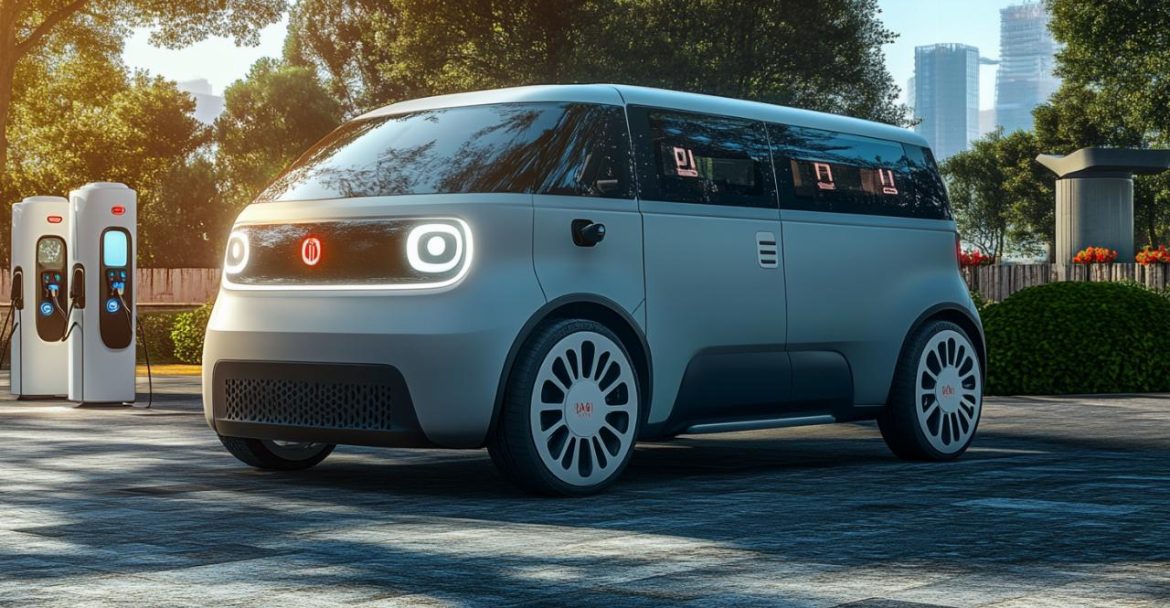
The automotive world is no stranger to polarising designs, but few cars have generated quite as much debate as the original Fiat Multipla. Known for its unconventional styling and functional brilliance, this six-seat people carrier once split opinion across Europe and beyond. Now, whispers of a revival are circulating, with talk of an electric reimagining that could bring the Multipla back to showrooms before long. As the automotive portal Formacar and various industry insiders suggest, the reborn Multipla might emerge as an all-electric crossover SUV, potentially sharing underpinnings with the Fiat 600 and leveraging the CMP platform. But will British drivers, who once viewed the Multipla with a mixture of affection and bewilderment, be ready to embrace it once more?
The original multipla: a bold design that divided opinion
Why the Fiat Multipla Became the Most Polarising Family Car
When the first-generation Fiat Multipla rolled onto European roads in the late 1990s, it immediately sparked conversation. Its bulbous front end, stacked headlamps, and unusual proportions defied every convention of automotive aesthetics at the time. Critics were quick to label it one of the ugliest cars ever made, yet it found a devoted following among those who valued substance over style. The Multipla even earned a place in New York's Museum of Modern Art, a testament to its unique design philosophy. Owners formed clubs and held gatherings such as the Ugly Bug Ball, celebrating the car's quirky character rather than shying away from it. This duality of admiration and ridicule is what made the Multipla so memorable, and it remains a touchstone for discussions about the balance between form and function in car design.
Practicality over prettiness: what made it work despite the looks
Underneath its controversial exterior, the Multipla was a masterclass in space efficiency. It offered six seats in two rows of three, all within a compact footprint that made it ideal for crowded urban environments. Families appreciated the clever packaging, while those who drove it praised the surprising ease of manoeuvrability and visibility. The car's wide stance and tall roofline translated into a roomy cabin, and its versatility made it a favourite among those who needed a practical vehicle without the bulk of a traditional MPV. Car reviews from the era often highlighted these strengths, noting that the Multipla delivered on its promise of functionality even if it did little to win beauty contests. The original also benefited from straightforward ICE powertrain options, keeping running costs manageable and maintenance relatively simple, factors that further endeared it to budget-conscious buyers.
Electric rebirth: what we know about the new fiat multipla
Stellantis' Vision for a Zero-Emission People Carrier
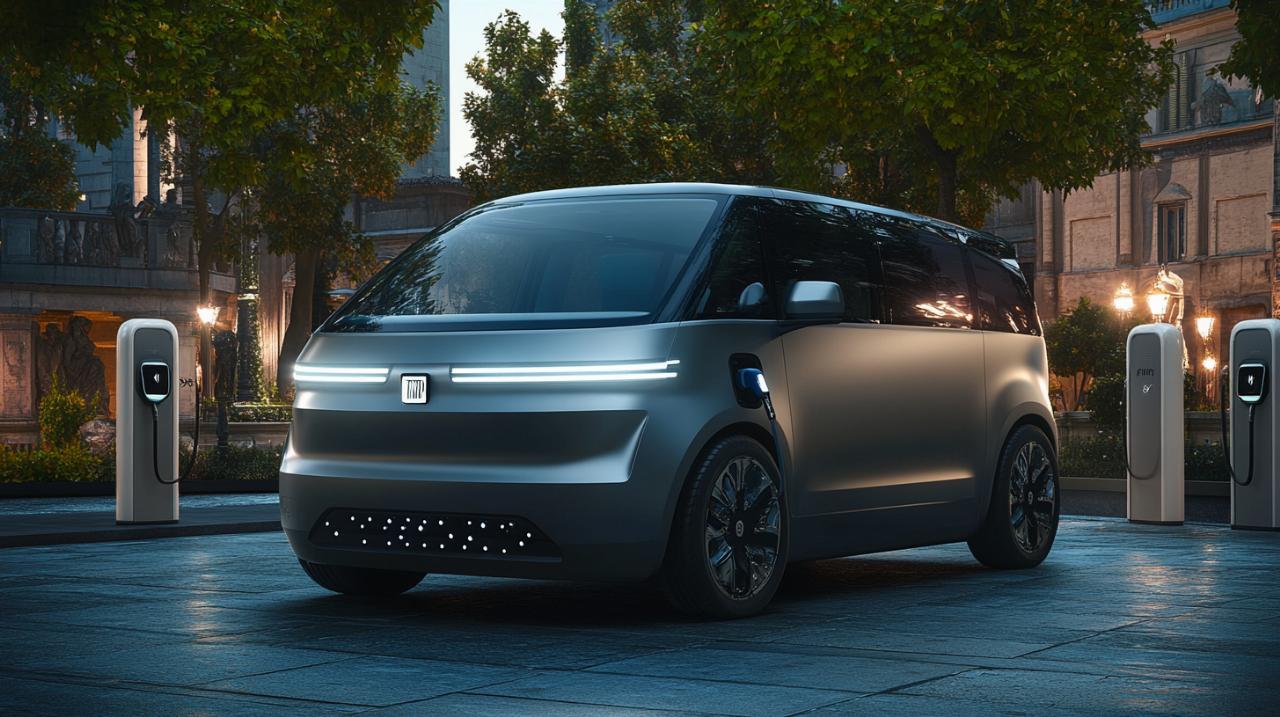
Fast forward to the present day, and the landscape of the automotive industry has shifted dramatically. Stellantis, the parent company of Fiat, is pushing hard into electrification, and the Multipla is earmarked for a comeback as part of this strategy. According to car news emerging from industry sources, the new Multipla will be built on the CMP platform, the same architecture underpinning other compact electric models within the Stellantis portfolio. This platform is designed to accommodate electric powertrains while offering flexibility in size and configuration, making it an ideal foundation for a modern people carrier. The revived Multipla is expected to be slightly larger than a B-class car, positioning it as a crossover SUV rather than a traditional minivan. This shift reflects broader market trends, where buyers increasingly favour raised ride heights and SUV-inspired styling over conventional MPVs. Italian designer Marco Maltese has already teased a concept called the Re.Multipla, which exaggerates the original's eccentricities with a more pronounced waistline, modern LED lighting, and three-spoke aero wheels. This electric reimagining hints at what could be a production model that retains the Multipla's distinctive character while embracing contemporary design cues.
Expected range, charging capabilities and modern features
While official specifications remain under wraps, the new Multipla is likely to offer a competitive electric powertrain that aligns with current expectations for range and charging speed. The CMP platform typically supports battery packs that deliver between 300 and 400 kilometres on a full charge, which should prove sufficient for most family journeys and daily commutes. Fast-charging capabilities are expected as standard, allowing drivers to top up the battery quickly on longer trips. Inside, the new Multipla will almost certainly feature the latest infotainment systems, advanced driver assistance technologies, and connectivity options that are now taken for granted in modern electric vehicles. The focus will be on creating a spacious, comfortable interior that can accommodate families and their luggage without compromise. Aerodynamic modifications are likely to play a role in improving efficiency, with designers working to reduce drag while maintaining the car's distinctive silhouette. The integration of hybrid powertrain options has not been ruled out entirely, but the primary focus appears to be on delivering a fully electric experience that aligns with Stellantis' broader sustainability goals.
Will British Motorists Give the Multipla a Second Chance?
Market Appetite for Electric MPVs in the UK Today
The British car market has evolved considerably since the original Multipla was on sale. Electric vehicles are no longer a niche proposition, and buyers are increasingly open to unconventional designs if they deliver on practicality and environmental credentials. The success of models such as the Tesla Model Y demonstrates that there is strong demand for electric family vehicles, even if they do not conform to traditional notions of beauty. However, the MPV segment has struggled in recent years, with many buyers opting for SUVs instead. This presents both a challenge and an opportunity for the new Multipla. If Fiat can position it as a crossover SUV with the versatility of an MPV, it may find a receptive audience. The availability of electric powertrains could also work in its favour, particularly as concerns about MPG, car tax, and recalls continue to influence purchasing decisions. The UK's push towards zero-emission motoring means that any new electric model will benefit from favourable tax treatment and access to low-emission zones, factors that could make the Multipla an attractive proposition for urban families.
Balancing Nostalgia, Sustainability and Style in 2025
Nostalgia is a powerful force in the automotive world, and the Multipla has a unique place in the hearts of those who remember it fondly. The challenge for Fiat will be to tap into that nostalgia without alienating a new generation of buyers who prioritise sustainability and modern design. The Re.Multipla concept, with its exaggerated features and electric reimagining, suggests that Fiat is willing to embrace the car's quirky heritage while updating it for contemporary tastes. The inclusion of features such as LED lighting, aero wheels, and possibly rear-opening or sliding doors could help to bridge the gap between old and new. At the same time, the new Multipla will need to compete with established electric models such as the Chevy Silverado EV, which recently set a range record, and high-end offerings like the Mansory Rolls-Royce Wraith and Mansory G-Wagen, which cater to buyers seeking luxury and exclusivity. The Multipla's success will depend on its ability to offer something different, combining the practicality that made the original a cult favourite with the zero-emission credentials that define the future of motoring. As the automotive portal Formacar continues to track developments in the electric vehicle market, the question remains whether Britain's roads will once again welcome this famously unconventional people carrier. For those who value unique design, practicality, and a willingness to stand out from the crowd, the answer may well be a resounding yes.