
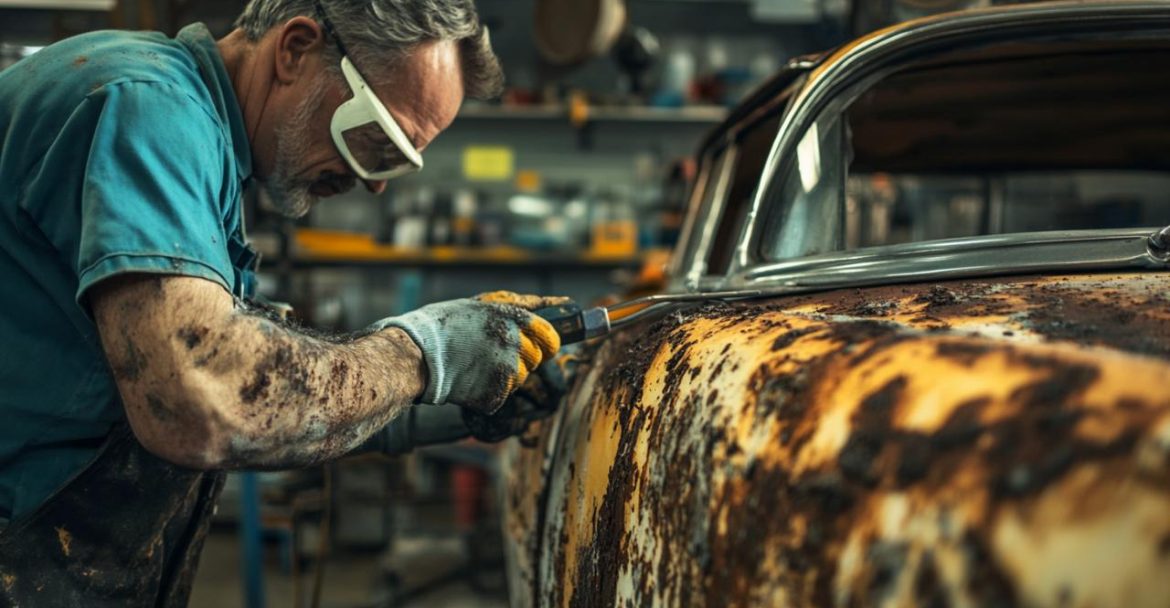
Rust is one of those inevitable challenges that every motorist will face at some point, particularly in the United Kingdom where the combination of damp weather, road salt and unpredictable climate creates the perfect conditions for corrosion. Whether you drive a classic motor or a modern vehicle, understanding how to identify and tackle rust before it becomes a serious problem is essential for maintaining both the appearance and structural integrity of your car. By recognising the early warning signs and knowing which methods and products work best for different levels of damage, you can save yourself significant expense and keep your vehicle roadworthy for years to come.
Understanding the Three Types of Rust: Surface, Scale and Penetrating Corrosion
Rust forms when iron in your car's bodywork reacts with oxygen and moisture, a process that is accelerated by environmental factors such as rain, snow and the liberal use of road salt during winter months. Not all rust is created equal, however, and recognising the differences between the three main types is crucial for effective treatment. Surface rust is the earliest and most manageable form, typically appearing as small orange or red spots on the paintwork. This stage is relatively harmless if caught early, as the corrosion has only affected the outermost layer of the metal. Left unchecked, though, it will progress into more severe forms that demand far more effort and expense to remedy.
Spotting surface rust: the early warning signs on your motor's bodywork
Surface rust often manifests as tiny discolourations on the paintwork, which can be easy to overlook during a casual inspection. These spots usually appear in areas where the protective paint has been compromised, such as around stone chips or minor scratches. The good news is that surface rust has not yet penetrated deeply into the metal, meaning it can often be removed with relatively simple tools and techniques. Keeping a vigilant eye on vulnerable areas like wheel arches, door sills and the undercarriage will help you catch this type of corrosion before it escalates. Regular washing and waxing of your vehicle not only keeps it looking smart but also provides an opportunity to inspect the bodywork closely for any emerging issues.
Identifying scale and penetrating rust: when corrosion becomes serious
When surface rust is ignored, it develops into scale rust, a more aggressive form of corrosion that causes the paint to bubble and flake away. At this stage, the metal underneath has begun to deteriorate, and the damage is more visible and widespread. Scale rust is particularly common in regions where road salt is heavily used, as the salt accelerates the oxidation process. If scale rust is allowed to progress further, it becomes penetrating rust, the most severe and damaging form of corrosion. Penetrating rust eats through the metal entirely, leaving holes and compromising the structural integrity of critical components such as the chassis, brake lines and suspension. Driving a vehicle with penetrating rust can be extremely dangerous, as it may fail safety inspections and pose a genuine risk on the road. At this point, professional intervention is often necessary, and in some cases, entire panels may need to be replaced to restore the vehicle to a safe condition.
Effective Methods and Products for Removing Different Types of Rust
Tackling rust requires a tailored approach depending on the severity of the corrosion. For surface rust, a variety of DIY methods and products are available that can restore your motor's bodywork without requiring professional assistance. More advanced cases, such as scale and penetrating rust, may demand specialised tools and even the expertise of a qualified bodyshop. Understanding which techniques and products are appropriate for each type of rust will help you make informed decisions and avoid wasting time and money on ineffective solutions.
Tackling surface rust: wire brushes, sandpaper and chemical rust removers
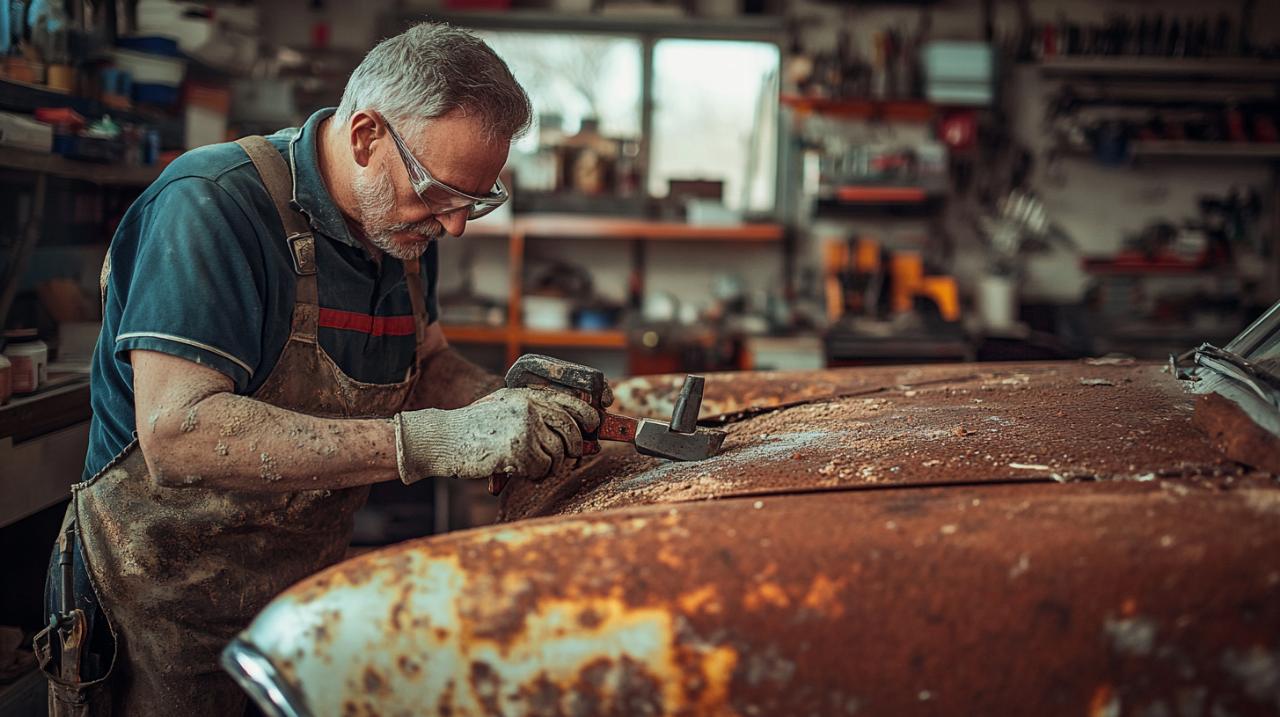
For surface rust, the first step is to remove any loose or flaking material using a wire brush or coarse sandpaper. This mechanical approach is effective for clearing away the oxidised layer and exposing the clean metal underneath. Once the rust has been removed, the area should be thoroughly cleaned and dried before applying a rust converter or inhibitor. These chemical treatments work by neutralising any remaining rust and creating a protective barrier that prevents further oxidation. After the treated area has dried, it is essential to apply a primer followed by a colour-matched paint to seal the metal and restore the appearance of the bodywork. DIY rust repair kits, which typically include everything needed for this process, can be purchased for under fifty pounds and are a cost-effective solution for minor damage. For those who prefer a more hands-off approach, products like WD-40 can be used to loosen rust and provide temporary protection, although they are not a permanent fix and should be considered a stopgap measure rather than a complete repair.
Dealing with Scale and Penetrating Rust: Angle Grinders and Panel Replacement Techniques
Scale rust requires more intensive treatment, as the corrosion has spread deeper into the metal and caused significant damage to the paint and underlying structure. An angle grinder fitted with a sanding disc is often the tool of choice for removing scale rust, as it can quickly strip away the corroded material and prepare the surface for repair. After grinding, the area should be cleaned, treated with a rust converter and then filled with a body filler if necessary to smooth out any irregularities. Once the filler has cured, the surface can be sanded smooth, primed and painted to match the rest of the vehicle. Penetrating rust, on the other hand, is far more challenging to address and often requires professional repair services. In many cases, the affected metal is too damaged to be salvaged and must be cut out and replaced with new panels. Welding may be required to attach replacement sections, and extensive bodywork is typically needed to restore the vehicle to its original condition. Bodyshops that specialise in rust repair can offer services such as panel replacement, welding and comprehensive rustproofing to ensure the longevity of the repairs. While professional repairs can cost hundreds of pounds or more, they are often the only viable option for vehicles with severe corrosion, particularly if the rust has compromised safety-critical components like the chassis or brake lines.
Preventing future rust formation: protection strategies for your vehicle's bodywork
Preventing rust is far easier and more cost-effective than repairing it, and a proactive approach to vehicle maintenance can save you significant hassle and expense in the long run. By implementing a combination of protective coatings, regular maintenance routines and careful driving habits, you can minimise the risk of corrosion and keep your motor looking and performing at its best. Modern vehicles are generally better protected against rust than older models, thanks to advances in materials and manufacturing techniques, but underbody corrosion remains a common issue that requires ongoing attention.
Protective Coatings and Sealants: Waxes, Underseal and Rust Inhibitors
Applying protective coatings to your vehicle's bodywork is one of the most effective ways to guard against rust. Waxing the paintwork creates a barrier that repels moisture and prevents oxidation, and it should be done at least twice a year to maintain optimal protection. For the undercarriage, which is particularly vulnerable to road salt damage and moisture, an underseal coating provides a durable shield that can withstand harsh conditions. Rust inhibitors, which can be sprayed into hard-to-reach areas such as door cavities and wheel arches, offer additional protection by neutralising moisture and preventing corrosion from taking hold. Repairing stone chips and scratches promptly is also crucial, as even small breaks in the paint can allow moisture to reach the metal and initiate the rusting process. Touch-up paint kits are widely available and provide an easy way to address minor damage before it escalates.
Regular maintenance routines: washing, inspection and touch-up paintwork
Washing your car regularly, especially after exposure to rain, snow or sea salt, is one of the simplest yet most effective ways to prevent rust. Paying particular attention to the undercarriage, wheel arches and door sills will help remove corrosive substances before they have a chance to cause damage. Drying the vehicle thoroughly after washing is equally important, as lingering moisture can accelerate oxidation. Regular inspections of the bodywork, ideally every few months, allow you to catch early signs of rust such as paint bubbling or irregular discolouration. If you notice any areas of concern, addressing them immediately with touch-up paint or a rust repair kit can prevent the problem from worsening. Storing your vehicle in a garage, particularly during the winter months, provides additional protection from the elements, and using a dehumidifier in the garage can help reduce moisture levels and further minimise the risk of corrosion. For those who drive frequently in challenging conditions, such as coastal areas or regions where road salt is heavily used, investing in underbody protection and scheduling regular professional inspections can provide peace of mind and ensure that any emerging issues are dealt with before they become serious. By taking these preventative measures, you can preserve the resale value of your vehicle, maintain its safety and avoid the considerable cost and inconvenience of extensive rust repairs.