
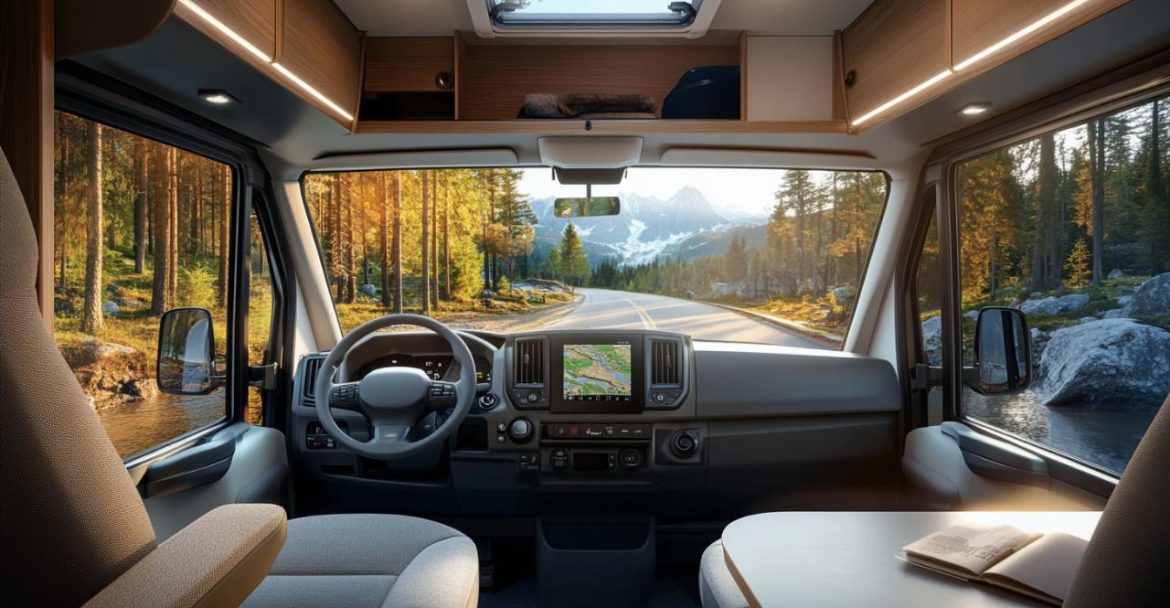
Selecting the right satellite navigation system for a motorhome can transform your travels from a series of anxious detours into a smooth, enjoyable journey. Unlike standard car sat navs, those designed for campervans and larger vehicles account for the unique challenges posed by increased height, width, and weight. With the 2024 range of motorhome GPS devices now on the market, drivers have access to cutting-edge technology that not only guides but also enhances the overall touring experience. This article explores the essential features, top-rated models, and price considerations to help you choose the perfect sat nav for your motorhome adventures.
Essential Features to Look for in a Motorhome Sat Nav System
When investing in a motorhome sat nav, understanding the core features that distinguish it from a standard car navigation device is crucial. The most fundamental requirement is the ability to input your vehicle's specific dimensions. Height, width, and weight parameters are not merely optional extras but essential inputs that ensure the device routes you away from low bridges, narrow lanes, and roads with weight restrictions. Many modern systems allow you to save multiple vehicle profiles, which is particularly useful if you tow a caravan or switch between different motorhomes. This functionality prevents the frustration of arriving at an impassable route and having to backtrack, a scenario that can turn a pleasant day into a stressful ordeal.
Beyond basic dimensional awareness, a quality motorhome sat nav should offer comprehensive mapping that covers not only your home country but also European destinations if you plan to travel abroad. The inclusion of points of interest tailored to motorhome users, such as campsite directories, motorhome-friendly parking areas, and service points, adds significant value. Some devices integrate databases from organisations like the Caravan and Motorhome Club or ACSI, providing up-to-date information on facilities and user reviews. Live traffic updates and voice-assisted navigation further enhance usability, allowing you to keep your eyes on the road while receiving clear, timely instructions. The screen size is another practical consideration, with options ranging from compact five-inch displays suitable for smaller dashboards to expansive ten-inch screens that offer better visibility in larger motorhomes.
Vehicle profile settings: height, weight, and width specifications
The ability to input precise vehicle dimensions is the cornerstone of any effective motorhome sat nav. Height restrictions are perhaps the most critical parameter, as low bridges and overhangs can cause catastrophic damage if not avoided. A sat nav that accurately records your motorhome's height will automatically exclude routes with clearances below your specified limit. Width is equally important, especially on rural lanes and older urban streets where vehicles wider than standard cars face challenges. Weight restrictions come into play for motorhomes exceeding 3.5 tonnes, as certain roads and bridges impose load limits that a standard car sat nav would ignore entirely.
Many of the leading devices, including models from Garmin and TomTom, allow you to store these specifications in a dedicated profile, ensuring that every journey is planned with your vehicle's unique characteristics in mind. This feature not only prevents physical damage but also reduces anxiety and improves overall journey confidence. Some systems even allow for multiple profiles, which is advantageous if you frequently switch between a motorhome and a car or if you tow a caravan. By tailoring the routing to your exact dimensions, these devices ensure that you can explore new destinations without the constant worry of encountering an impassable obstacle.
Motorhome-specific routing and reversing camera compatibility
Custom routing algorithms that consider vehicle size and weight are what set motorhome sat navs apart from their car-focused counterparts. These systems use truck-specific files and databases to identify roads that are unsuitable for larger vehicles, steering you away from narrow country lanes and congested city centres where manoeuvring a motorhome can be hazardous. Environmental routing is another innovative feature that some devices offer, guiding you through routes that minimise emissions and avoid low-emission zones, which are increasingly common in European cities.
In addition to intelligent routing, many modern motorhome sat navs are designed to integrate with reversing cameras, transforming the navigation screen into a rear-view monitor when you engage reverse gear. This dual functionality is particularly valuable in tight campsites or urban parking situations, where visibility is limited. Bluetooth connectivity is another desirable feature, enabling hands-free calling and audio streaming without the need for additional cables. Some premium models also incorporate built-in dash cams, combining navigation with security and incident recording in a single, cohesive unit. These integrated solutions reduce dashboard clutter and simplify the installation process, offering both convenience and peace of mind.
Top-Rated Motorhome GPS Devices for 2024: Brand Reviews and Performance
The 2024 lineup of motorhome sat navs features an impressive array of devices from established brands, each bringing its own strengths to the table. Garmin continues to dominate the market with its Camper series, renowned for custom routing and tour-enhancing functions. The Garmin Camper 795 is frequently cited as a top overall pick, offering a seven-inch screen and comprehensive mapping that includes campsite directories and points of interest tailored to motorhome users. For those seeking a larger display, the Garmin Camper 1095 provides a ten-inch screen, ideal for bigger motorhomes where visibility from the driver's seat is paramount.
TomTom remains a strong contender with the TomTom Go Camper Max, now in its second generation. This device strikes a balance between functionality and affordability, featuring a seven-inch screen and simple-to-use motorhome-specific routing that has won praise from users for its reliability and intuitive interface. The TomTom Go Camper Max also includes scenic routing options, allowing you to prioritise picturesque roads and points of interest over the fastest routes, which can significantly enhance the touring experience. Meanwhile, the Avtex Tourer Three, endorsed by the Caravan and Motorhome Club, brings environmental routing and BirdsEye technology to the table, offering real-world imagery and advanced route planning on a 6.95-inch display.
Aguri and Navipro Sat Nav Models: Features and Value Analysis
While Garmin and TomTom are household names, other brands such as Aguri and Navipro also offer compelling options for motorhome navigation. Aguri models are often positioned as budget-friendly alternatives, delivering core motorhome routing features without the premium price tag associated with the market leaders. These devices typically include basic vehicle profile settings, European mapping, and essential points of interest, making them suitable for cost-conscious users who do not require the full suite of advanced features.
Navipro sat navs similarly cater to the mid-market segment, offering a balance of functionality and value. While they may lack some of the premium integrations found in higher-end models, they still provide reliable motorhome-specific routing and straightforward interfaces that are easy to navigate. For many users, especially those new to motorhome travel or those who prioritise simplicity over extensive feature sets, these brands represent an attractive entry point into dedicated motorhome navigation.
Bluetooth connectivity and lifetime map updates (lmt) functionality
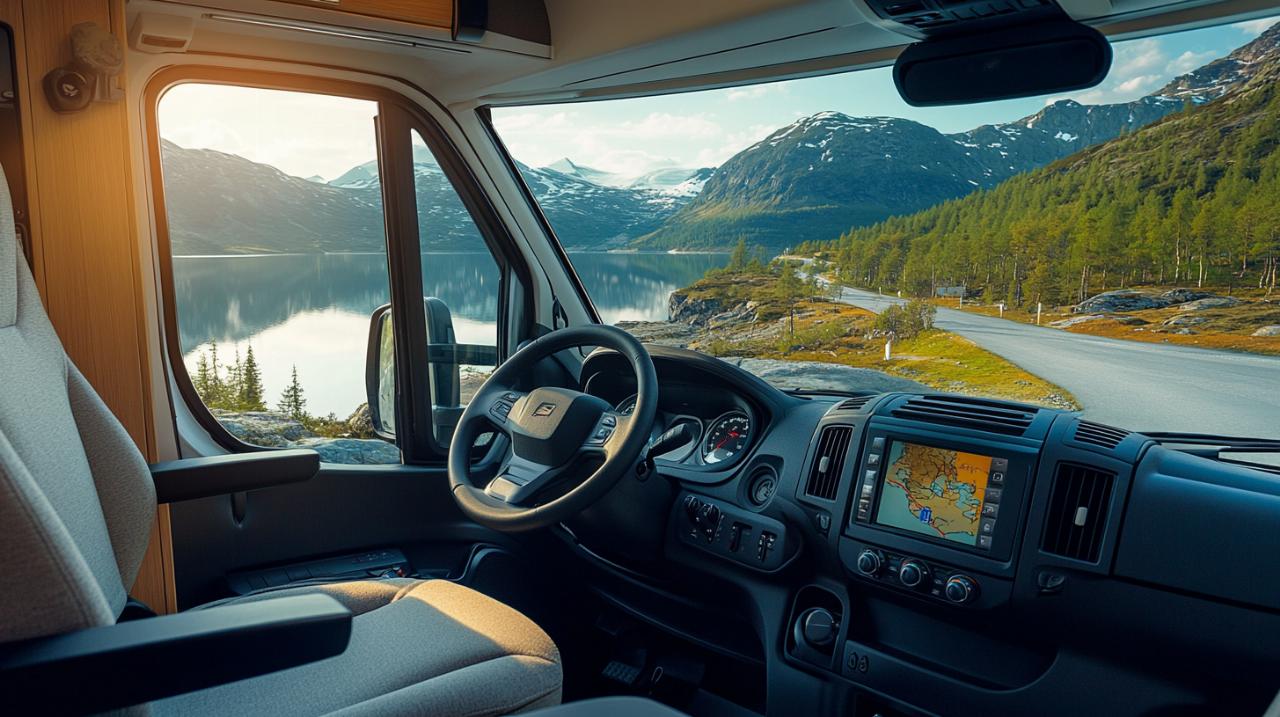
Bluetooth connectivity has become a standard expectation in modern motorhome sat navs, enabling seamless integration with smartphones for hands-free calling, audio streaming, and even app-based notifications. This feature not only enhances safety by allowing drivers to keep their hands on the wheel but also simplifies the user experience by consolidating multiple functions into a single device. Some units even support voice commands, allowing you to adjust routes or search for nearby amenities without taking your eyes off the road.
Lifetime map updates, often abbreviated as LMT, are another critical consideration. Road networks and points of interest change frequently, and a sat nav that relies on outdated mapping can lead to missed turns or incorrect routing. Devices that offer free lifetime map updates ensure that your navigation system remains current without recurring subscription fees. This is particularly important for motorhome users who may travel across multiple countries and regions, where road conditions and infrastructure can evolve rapidly. Brands like Garmin and TomTom typically include LMT as standard on many of their motorhome models, providing long-term value and peace of mind.
Price Comparison and Best Value Motorhome Sat Navs for Different Budgets
Price is inevitably a significant factor when choosing a motorhome sat nav, and fortunately, the 2024 market offers options across a wide spectrum. At the lower end, budget-friendly devices such as the Snooper Ventura S5100 and the Aonerex Sat Nav for Cars and Trucks deliver core motorhome routing features at an accessible price point. These models typically feature smaller screens, around five inches, and may lack some of the advanced integrations found in premium devices, but they still provide essential height, width, and weight awareness, along with European mapping and basic campsite directories.
For those willing to invest a bit more, mid-range options like the TomTom Go Camper Max and the Avtex Tourer Two offer an excellent balance of features and cost. These devices usually include larger screens, more comprehensive points of interest, and additional functionalities such as live traffic updates and environmental routing. They represent a sweet spot for many motorhome users who want reliable, feature-rich navigation without stretching their budget to the maximum. At the premium end, models like the Garmin Camper 795 and the Garmin CamperCam 795, which includes a built-in dash cam, command higher prices but justify the cost with superior build quality, advanced routing algorithms, and extensive support for multimedia and connectivity options.
Budget-friendly options with core campervan navigation features
For motorhome owners on a tight budget, several manufacturers offer devices that cover the essential requirements without unnecessary frills. The Snooper Ventura S5100, for example, provides a five-inch screen and free European map updates, along with campsite points of interest and basic motorhome-specific routing. While it may not boast the largest display or the most advanced multimedia features, it delivers reliable navigation at a price that makes it accessible to a wide audience. Similarly, the Xgody truck satnav, available through online retailers, has gained a following for its user-friendly interface and affordable price, despite its positioning as a truck navigation device.
Smartphone apps such as CoPilot GPS offer another budget-conscious alternative, with annual subscription costs significantly lower than the purchase price of a dedicated sat nav. CoPilot provides offline maps and takes vehicle dimensions into account, making it a viable option for those who prefer to use their existing devices rather than adding another gadget to the dashboard. However, while apps can be convenient and cost-effective, they may suffer from occasional glitches and lack the robust integration with reversing cameras and dash cams that dedicated units provide.
Premium Models with Video Playback and Advanced Route Planning
At the top end of the market, premium motorhome sat navs offer a wealth of features that extend beyond basic navigation. The Garmin Camper 1095, with its ten-inch display, is designed for larger motorhomes where screen real estate is at a premium. This device includes everything from live traffic information and environmental zone warnings to a comprehensive campsite directory and tour-enhancing functions that suggest scenic detours and attractions along your route. The Garmin CamperCam 795 takes this further by integrating a built-in dash cam, providing both navigation and security in a single package.
Multimedia capabilities are another hallmark of premium models. Some devices support video playback, allowing passengers to enjoy entertainment during long journeys, while others integrate with Apple CarPlay and Android Auto, enabling seamless connectivity with smartphones for navigation apps, music streaming, and communication. The Pioneer and Kenwood multimedia systems, for instance, offer six- to seven-inch touchscreens with Bluetooth, dash cam integration, and full smartphone compatibility, effectively turning the motorhome's dashboard into a high-tech command centre. While these systems come with a higher upfront cost, they deliver a level of integration and functionality that can significantly enhance the overall motorhome experience, making them a worthwhile investment for those who prioritise technology and convenience.