
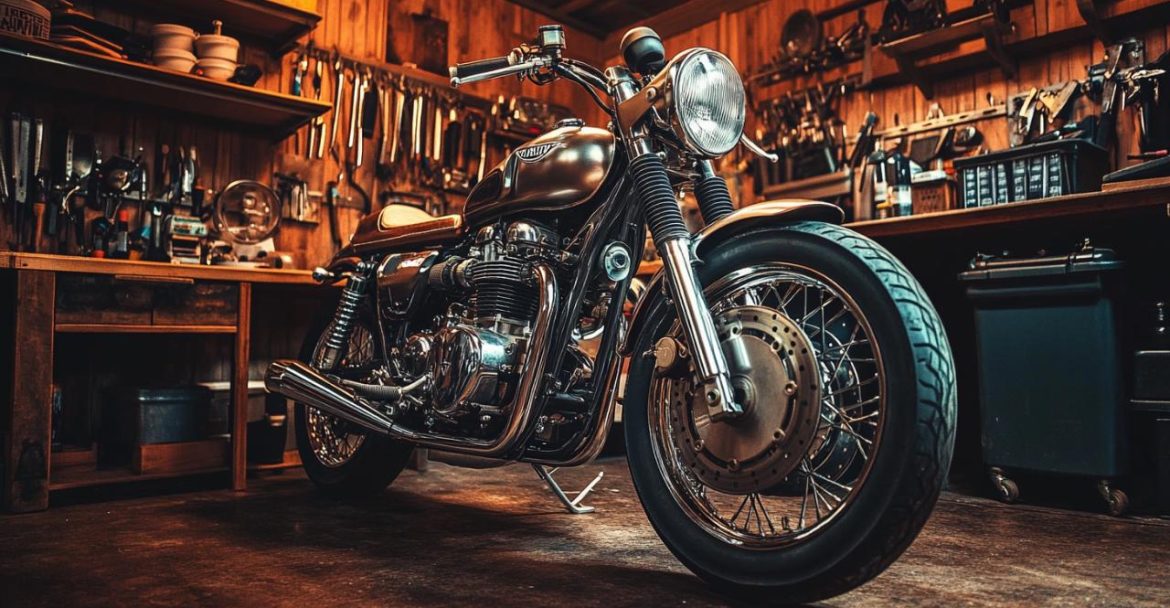
Owning a motorcycle is more than just enjoying the thrill of the open road; it's about nurturing a machine that demands respect and consistent care. Whether you ride a sleek Ducati, a roaring Harley-Davidson, a reliable Honda, or a classic Triumph, understanding the fundamentals of upkeep ensures your bike remains a faithful companion for years to come. From routine checks to mindful habits, every rider can benefit from a structured approach to keeping their machine in peak condition.
Essential regular maintenance tasks
Adhering to Your Service Schedule and Fluid Changes
One of the most critical aspects of keeping your motorcycle running smoothly is sticking to the manufacturer's service schedule outlined in your handbook. Think of it as the backbone of your maintenance routine, guiding you through necessary oil changes, filter replacements, and comprehensive inspections. Following these motorcycle maintenance tips ensures that a qualified mechanic can spot potential issues before they escalate into costly repairs. Regular servicing not only extends the life of your engine but also maintains optimal performance and fuel efficiency. When you visit a reputable motorcycle dealer, they can provide expert advice tailored to your specific model, whether it's a Ducati or a Honda.
Fluid levels are the lifeblood of your bike's operation. Engine oil, coolant for liquid-cooled models, brake fluid, and clutch fluid all require regular checks and top-ups. Over time, these fluids degrade and lose their effectiveness, so timely changes are essential. Keeping a close eye on these levels and addressing any leaks promptly can prevent significant damage to critical components. Motorbike servicing professionals recommend checking these fluids at least once a month, or more frequently if you ride often or in challenging conditions.
Keeping your motorcycle clean and protected
A clean motorcycle is not just about aesthetics; it's a fundamental part of maintenance. Regularly washing your bike removes dirt, road salt, and grime that can accelerate corrosion and wear. During the winter months, salt used on roads in places like Oxford, Cheltenham, Abingdon, and Stratford can be particularly damaging if left to sit on your bike's surfaces. Using soapy warm water and a soft cloth is the best approach, as jet-washers can force water into sensitive areas, damaging rubber seals and delicate components like radiator fins. Taking the time to clean your bike after a ride, especially in adverse weather, pays dividends in the long run.
Protection from the elements is equally important. If you don't have access to a garage or shed, investing in a quality bike cover is a wise decision. However, always ensure your motorcycle has cooled down completely before covering it, as trapping heat can cause condensation and lead to rust. A cover shields your bike from rain, UV rays, and dust, preserving the paintwork and reducing the risk of corrosion. For those who rely on motorcycle finance to own their dream machine, maintaining its condition is also crucial for preserving resale value.
Critical component care and inspection
Chain, tyre, and brake system maintenance
The chain is one of the most overlooked yet vital components of a motorcycle. Regular chain lubrication is essential to prevent premature wear and maintain smooth power delivery. Apply lube after your last ride of the day so it has time to set overnight, penetrating the rollers and links effectively. Checking chain tension is equally important, as a loose or overly tight chain can affect handling and increase the risk of breakage. Your bike's manual will specify the correct tension, and it's worth checking this regularly regardless of your riding frequency.
Tyre pressure is another area that demands constant attention. Incorrect pressure affects handling, grip, and tyre longevity, so check your tyres before every ride using the same gauge for consistency. Cold weather can cause pressure to drop, so be especially vigilant during the colder months. Carrying a puncture repair kit as part of your essential motorcycle accessories can be a lifesaver if you encounter a flat tyre on the road. Inspecting your tyres for wear, cracks, or embedded objects should become second nature, as tyres are your only contact with the road.
Brake systems are non-negotiable when it comes to safety. Regularly inspect your brake pads and discs or drums for signs of wear, replacing them when they become too thin. Brake lines should also be checked for cracks, leaks, or bulging, as compromised lines can lead to brake failure. Keeping brake fluid at the correct level and replacing it according to your service schedule ensures consistent braking performance. Whether you're riding a Triumph or a Harley-Davidson, your brakes are your primary safety mechanism, so never neglect them.
Battery, electrical system, and proper storage practices
A healthy battery is essential for reliable starts and powering your bike's electrical systems. Clean the battery terminals regularly to prevent corrosion, which can impede performance. If you don't ride frequently, consider using a float charger to keep the battery topped up without overcharging it. Motorcycle batteries typically need replacing every two to four years, so keep track of your battery's age and performance. A well-maintained battery saves you from the frustration of a dead bike when you're eager to hit the road.
The electrical system goes beyond the battery. Ensure all lights, indicators, and the horn are functioning correctly, as faulty electrics can compromise your safety and visibility to other road users. Checking cables and levers for wear or damage is also important, as frayed cables can snap at the worst possible moment. Paying attention to these details means fewer surprises and a more reliable ride.
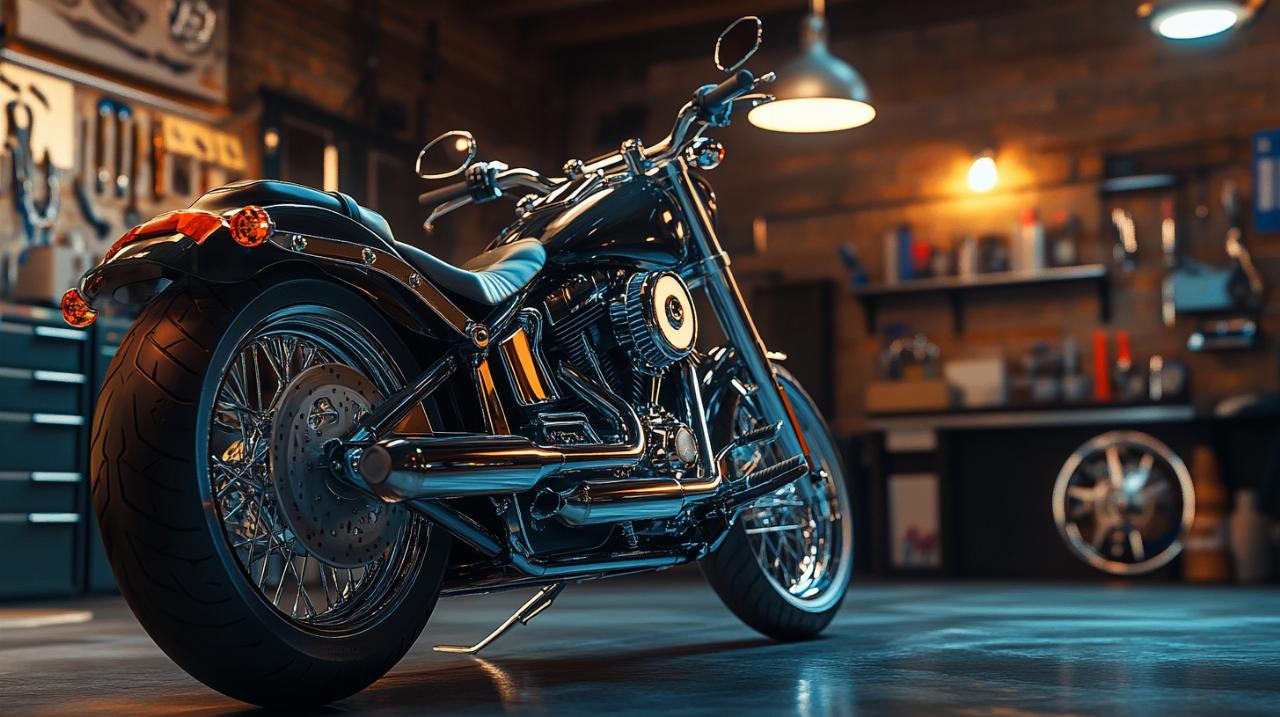
Proper storage is critical if you plan to leave your bike unused for an extended period, such as during winter. Preparing your motorcycle for storage involves stabilising the fuel to prevent it from degrading, lubricating the cylinders to protect against corrosion, and covering the bike to shield it from dust and moisture. Disconnect the battery or keep it on a charger to maintain its health. If you're based in areas like Cheltenham or Stratford, where winters can be harsh, these steps are particularly important. Proper winter bike care ensures your machine is ready to roar back to life when the riding season returns.
Finally, always listen to your bike. Unusual noises, vibrations, or changes in performance are often early warning signs of trouble. Addressing these promptly with a visit to a trusted motorcycle dealer for motorbike servicing can prevent minor issues from becoming major headaches. Whether you're looking at new models or maintaining a beloved machine, consistent care and attention will reward you with many miles of reliable, exhilarating riding.