
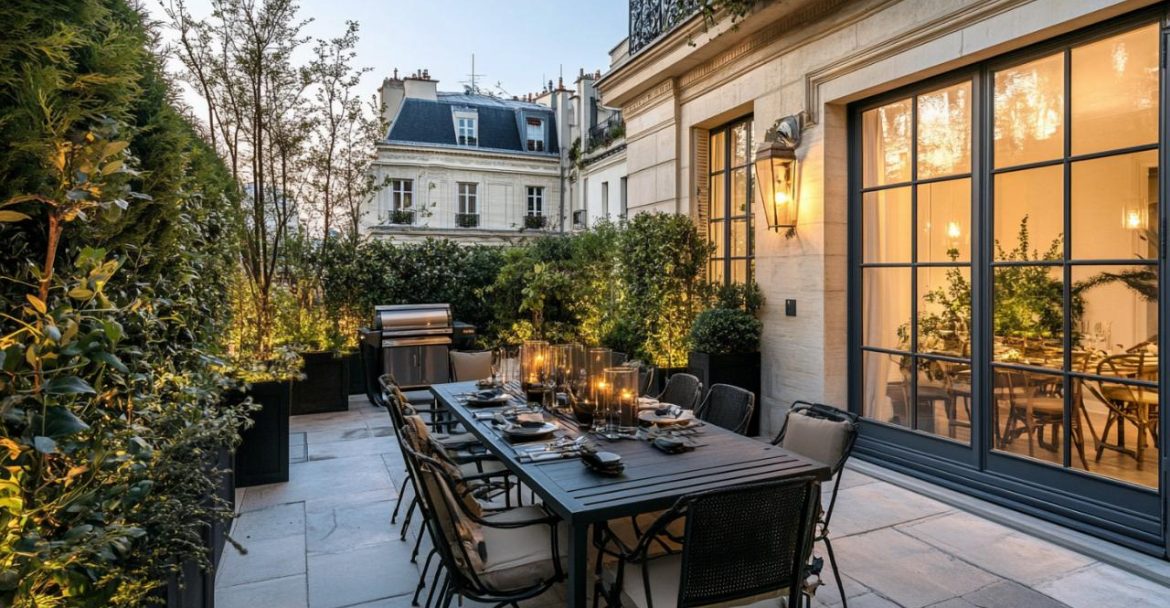
Creating a culinary garden on your terrace offers a delightful way to bring fresh flavours and Continental elegance into your home. Drawing inspiration from the charming balconies and rooftop spaces found across Paris, you can cultivate herbs, vegetables, and edible flowers in even the most compact urban setting. This transformation turns an underused outdoor area into a productive and visually stunning retreat, where practicality meets style.
Planning your parisian-style kitchen garden layout
Before embarking on your terrace garden project, a thoughtful assessment of your available space is essential. Understanding the dimensions and conditions of your terrace will guide every decision, from the types of plants you choose to the containers that will house them. Parisian gardens are renowned for their ability to maximise limited square footage whilst maintaining a sense of order and beauty, so careful planning ensures your garden will thrive without overwhelming the area.
Assessing your terrace space and sunlight conditions
Begin by measuring your terrace and noting which areas receive the most sunlight throughout the day. Most culinary plants, particularly herbs and vegetables, require at least six hours of direct sunlight to flourish. Observe how light moves across your space during different times of the day and across seasons, as this will inform where you position sun-loving herbs such as basil and rosemary versus shade-tolerant varieties like parsley and chervil. Additionally, consider wind exposure, as terraces in urban environments can be subject to strong gusts that may damage delicate foliage. Positioning taller plants or using decorative screens can provide shelter whilst adding to the aesthetic appeal of your garden.
Selecting Containers and Raised Beds with French Elegance
The choice of containers plays a pivotal role in achieving that quintessentially Parisian look. Traditional terracotta pots, galvanised metal troughs, and vintage wooden crates all evoke the rustic yet refined character of French gardens. When selecting containers, prioritise those with adequate drainage to prevent waterlogging, which can be detrimental to plant health. Raised beds are another excellent option, particularly if your terrace floor allows for such installations, as they provide deeper soil for root development and can be arranged to create distinct zones within your garden. Mixing container sizes and heights adds visual interest and allows you to grow a diverse range of plants, from sprawling tomatoes to compact lettuces. If you wish to explore further design ideas and gather additional inspiration for your project, you might find it helpful to visit maguilar.es, where creative gardening concepts are often showcased.
Essential Herbs and Vegetables for a Parisian Culinary Garden
A Parisian culinary garden is incomplete without a selection of the herbs and vegetables that define French cuisine. These plants not only provide fresh ingredients for your cooking but also fill your terrace with delightful aromas and lush greenery. Choosing varieties that thrive in containers and suit the British climate ensures a bountiful harvest throughout the growing season.
Classic french herbs: tarragon, chervil, and thyme
French tarragon is a cornerstone of Parisian cooking, lending its distinctive anise-like flavour to sauces, dressings, and poultry dishes. This perennial herb prefers well-drained soil and full sun, making it an ideal candidate for container cultivation. Chervil, with its delicate, fern-like leaves, offers a subtle hint of anise and parsley combined, and it thrives in cooler conditions, making it particularly well-suited to British terraces. Thyme, another staple, is exceptionally hardy and tolerates dry conditions, which is advantageous if you occasionally forget to water. Its compact growth habit and fragrant leaves make it perfect for edging containers or tucking into smaller pots. Together, these herbs form the aromatic backbone of your garden and provide endless culinary possibilities.
Compact vegetables perfect for terrace growing
When space is at a premium, selecting vegetables that remain manageable in size yet deliver generous yields is key. Cherry tomatoes, for instance, can be grown in large pots or hanging baskets, with cascading varieties adding vertical interest. Courgettes, whilst typically vigorous, can be controlled through careful pruning and regular harvesting, and compact cultivars are available specifically for container gardening. Salad leaves such as rocket, mizuna, and lamb's lettuce grow quickly and can be harvested repeatedly, providing a continuous supply of fresh greens. French breakfast radishes add a peppery crunch and mature in just a few weeks, making them ideal for impatient gardeners. By rotating crops and succession planting, you can maintain a steady harvest from spring through autumn.
Incorporating edible flowers for authentic parisian charm
Edible flowers are a hallmark of French culinary tradition, adorning plates with colour and subtle flavours whilst enhancing the visual appeal of the garden itself. Introducing these blooms to your terrace not only adds a touch of whimsy but also encourages beneficial pollinators, contributing to the overall health of your garden ecosystem.
Nasturtiums, Violas, and Other Blooms for Your Plates
Nasturtiums are among the most versatile edible flowers, with both leaves and petals offering a peppery taste that complements salads and garnishes beautifully. They thrive in poor soil and full sun, making them forgiving plants for beginners. Violas, including pansies and Johnny-jump-ups, provide delicate, slightly sweet blooms that can be crystallised for desserts or scattered fresh over savoury dishes. Calendula, also known as pot marigold, produces vibrant orange and yellow flowers that add a subtle, earthy flavour to soups and stews. Borage, with its striking blue star-shaped flowers, tastes faintly of cucumber and is a favourite in summer drinks. Each of these flowers not only enhances your culinary creations but also contributes to a layered, colourful garden display.
Creating visual appeal whilst growing edible varieties
Arranging edible flowers amongst your herbs and vegetables creates a tapestry of textures and hues that captures the essence of Parisian garden design. Position taller flowering plants such as borage towards the back or centre of grouped containers, allowing shorter violas and nasturtiums to cascade over the edges. This layered approach ensures that every angle of your terrace offers something pleasing to the eye. Consider also the seasonal progression of blooms, planning so that as one flower fades, another takes its place, maintaining continuous colour and interest. The interplay of edible flowers with leafy greens and ripening vegetables creates a dynamic, ever-changing landscape that invites you to spend more time outdoors, whether tending plants or simply enjoying their beauty.
Maximising small spaces with vertical growing techniques
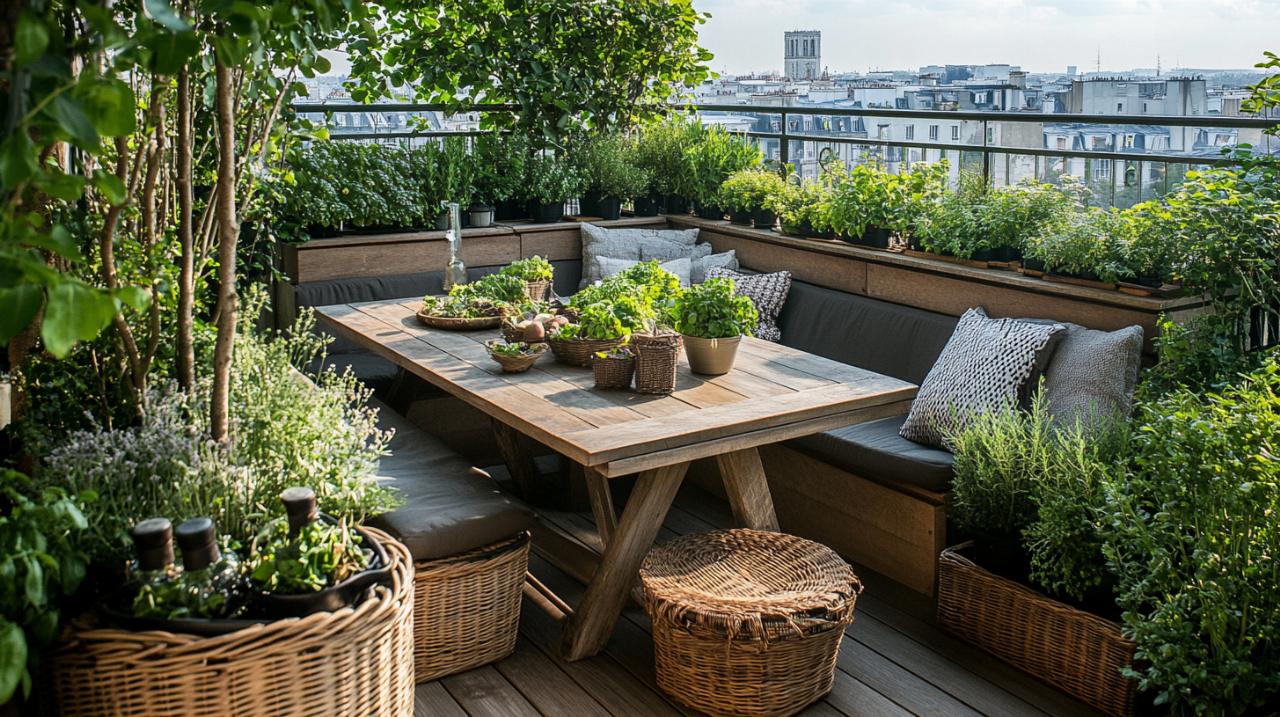
When terrace space is limited, thinking vertically opens up a wealth of possibilities. Parisian balconies often make use of walls, railings, and overhead structures to cultivate plants, and these same techniques can be employed to great effect in any compact outdoor area. Vertical gardening not only increases your planting capacity but also adds architectural interest and depth to your design.
Wall-Mounted Planters and Trellises for Climbers
Wall-mounted planters and pockets are excellent for growing herbs and small salad leaves, transforming blank vertical surfaces into productive green walls. These systems typically feature modular components that can be arranged to suit your space, allowing you to create custom configurations. For climbing vegetables such as peas, beans, and cucumbers, trellises provide essential support whilst drawing the eye upward and making efficient use of limited ground space. A simple wooden or metal trellis can be attached to a wall or freestanding planter, offering a framework for vigorous climbers to scramble up. Training plants vertically also improves air circulation around foliage, reducing the risk of fungal diseases and making harvesting more convenient.
Tiered plant stands and hanging basket solutions
Tiered plant stands, often crafted from wrought iron or vintage wood, echo the elegant displays seen outside Parisian cafés and market stalls. These multi-level structures allow you to group plants of varying heights and water needs, creating a focal point on your terrace. Hanging baskets suspended from overhead beams or brackets are ideal for trailing herbs such as thyme and oregano, as well as cherry tomatoes and strawberries. When selecting hanging baskets, ensure they are fitted with liners that retain moisture, as elevated containers tend to dry out more quickly than those at ground level. By combining tiered stands, wall-mounted solutions, and hanging baskets, you can cultivate a diverse range of plants without encroaching on valuable floor space.
Designing with Parisian Aesthetic: Colours and Materials
The visual charm of a Parisian terrace garden lies in its thoughtful use of materials and a cohesive colour palette. By selecting containers, accessories, and plants that complement one another, you can create an outdoor space that feels curated and intentional, reflecting the effortless elegance associated with French design.
Choosing zinc containers and vintage-style accessories
Galvanised zinc containers are a staple of French gardens, their silvery patina lending a timeless quality to any setting. These durable planters age gracefully, developing a weathered appearance that enhances their charm. Pairing zinc with weathered terracotta or distressed wooden crates introduces textural variety whilst maintaining a cohesive aesthetic. Vintage-style accessories such as enamel watering cans, wrought iron plant stands, and antique garden tools serve both functional and decorative purposes, evoking the atmosphere of a Parisian potager. Look for pieces at flea markets or antique shops to add authenticity and character to your terrace. These elements, combined with carefully chosen plants, transform your garden into a space that feels both lived-in and lovingly curated.
Coordinating Plant Selections for a Cohesive Look
A harmonious colour scheme ties together the various elements of your terrace garden. Consider limiting your palette to a few complementary tones, such as soft greens, whites, and purples, punctuated by occasional bursts of red or orange from tomatoes and nasturtiums. This restrained approach prevents the space from feeling cluttered or chaotic. Foliage texture also plays a crucial role in achieving visual cohesion. Pairing the feathery fronds of chervil with the bold, rounded leaves of lettuce or the spiky rosemary creates contrast without clashing. Repeating certain plants throughout the space, such as using lavender or thyme as a recurring accent, reinforces the sense of unity and guides the eye around the garden. The result is a terrace that feels thoughtfully designed rather than haphazardly assembled.
Maintaining your terrace garden throughout the seasons
A thriving culinary garden requires consistent care and attention, particularly when plants are grown in containers where resources such as water and nutrients are limited. Understanding the needs of your plants and adapting your maintenance routine to the changing seasons ensures a productive and beautiful garden year-round.
Watering, Feeding, and Pruning for Optimal Harvests
Container-grown plants rely entirely on you for their water supply, so establishing a regular watering schedule is essential. During warmer months, this may mean watering once or even twice daily, particularly for smaller pots that dry out quickly. Early morning is the best time to water, allowing foliage to dry before evening and reducing the risk of fungal issues. Feeding is equally important, as nutrients in potting compost are depleted more rapidly than in garden soil. A balanced liquid fertiliser applied every two weeks during the growing season supports vigorous growth and abundant harvests. Pruning and deadheading encourage bushier growth in herbs and prolong flowering in edible blooms. Regularly harvesting herbs and vegetables not only provides you with fresh ingredients but also stimulates plants to produce more, extending the productive period of your garden.
Protecting your plants from british weather challenges
The British climate, with its unpredictable shifts and occasional harsh conditions, poses unique challenges for terrace gardeners. Frost can damage tender plants, so be prepared to move sensitive containers indoors or cover them with horticultural fleece during cold snaps. Conversely, intense summer sun can scorch foliage and dry out soil rapidly, so providing temporary shade during the hottest part of the day may be necessary. Wind is another consideration, particularly on elevated terraces. Securing containers and using windbreaks such as trellis panels or tall plants can shield more delicate specimens. As autumn arrives, begin transitioning your garden by removing spent annuals, cutting back perennials, and considering which plants can be overwintered indoors. With thoughtful planning and responsive care, your Parisian-inspired terrace garden can flourish through every season, offering both beauty and bounty throughout the year.