
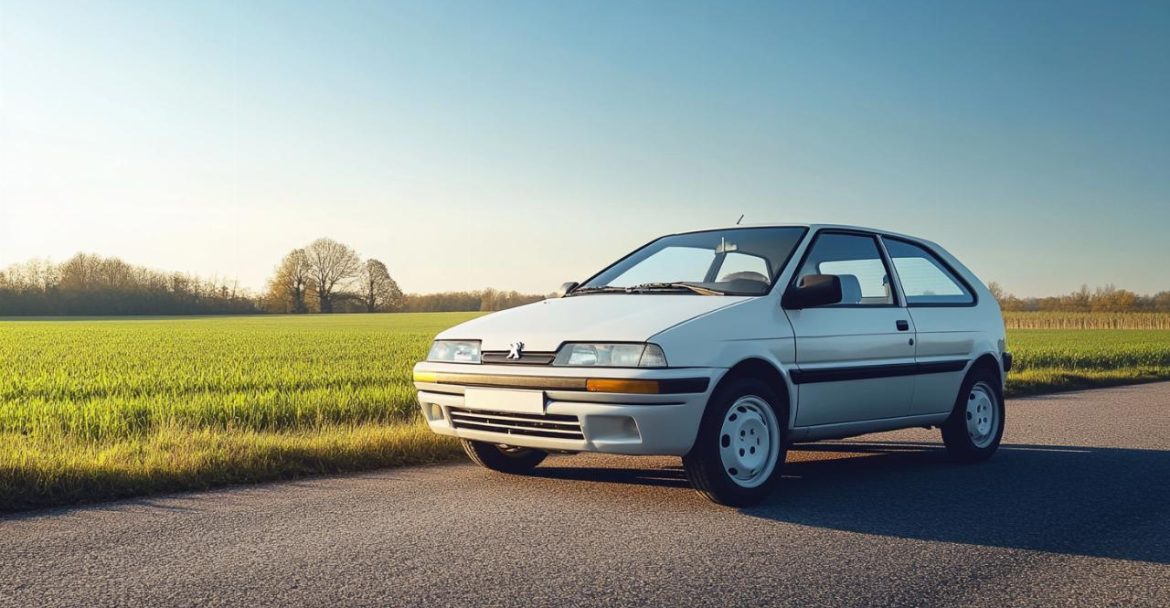
The Peugeot 106 occupies a unique place in the hearts of motoring enthusiasts and everyday drivers alike. Originally introduced as a practical solution for urban commuters, this compact vehicle has evolved from a commonplace city car into a surprisingly desirable collectible. As automotive tastes shift and nostalgia for 1990s motoring grows stronger, the question arises whether this small French hatchback truly deserves recognition as a collector's car. The answer, as we shall explore, depends largely on which variant you examine and how the market perceives vehicles from this era.
The Peugeot 106's Journey from Everyday Runabout to Collectible Status
Understanding the Appeal: What Makes a Peugeot 106 Worth Collecting
The Peugeot 106 first launched in 1991, entering the market at a time when compact cars were often dismissed as purely utilitarian vehicles lacking character or driving enjoyment. Peugeot challenged this perception by creating something that was not only economical and practical but also genuinely engaging to drive. The car was designed as a compact, economical, and stylish option aimed at younger urban dwellers who wanted more than mere transportation. Its excellent fuel economy combined with a surprisingly fun driving experience helped it stand out in a crowded segment.
What truly distinguishes the 106 in collector circles today is its ability to deliver genuine driving pleasure despite modest specifications. The car proved that small vehicles could be exciting, helping to set trends in the compact car market that would influence manufacturers for years to come. Available in both three-door and five-door versions with multiple engine options ranging from a frugal 1.0L unit to more spirited 1.1L, 1.3L, and 1.4L petrol engines, the 106 offered something for different types of buyers. The model successfully attracted a wider audience to Peugeot, enhancing the brand's reputation beyond its traditional customer base.
The interior, whilst practical, comfortable, and user-friendly, remains basic compared to modern standards, yet this simplicity is part of the appeal for collectors who appreciate the straightforward nature of 1990s automotive design. The 106 is remarkably easy to park and manoeuvre in city environments, qualities that made it popular when new and continue to endear it to enthusiasts today. Beyond mere nostalgia, the car possesses genuine charm and character that transcends its original purpose as affordable transport.
Market Trends and Value Appreciation in Recent Years
The collectible car market has witnessed significant shifts in recent years, with vehicles from the 1980s and 1990s gaining substantial traction amongst buyers seeking affordable entry points into classic car ownership. The Peugeot 106 has benefited from this trend, particularly examples in exceptional condition or those representing desirable variants. Whilst it would be inaccurate to suggest that standard models have experienced dramatic appreciation, certain versions have indeed become notably more valuable.
Today, the 106 remains popular not just for nostalgia but for practical reasons including driving enjoyment, ease of maintenance, and fuel efficiency. Parts for the 106 are generally affordable and easy to source, making ownership far less daunting than with more exotic collectibles. A dedicated enthusiast community keeps the model alive, sharing knowledge, organising events, and ensuring that well-maintained examples continue to grace British roads.
Market observers note that pristine, low-mileage examples of ordinary variants still command modest prices, but the trajectory is upward. The rarity of unmolested, original-specification cars increases yearly as many examples succumb to the challenges of age or are modified beyond recognition. This scarcity principle, fundamental to collector car values, increasingly applies to the 106, particularly for the more desirable versions.
The most coveted peugeot 106 variants among car enthusiasts
The Rallye and GTI Models: Performance Icons of the 1990s
Amongst the various Peugeot 106 variants, the GTi model stands apart as especially popular for its performance and sporty handling. This hot hatch variant transformed the sensible city car into something genuinely thrilling, offering driving dynamics that belied its humble origins. The GTi featured uprated suspension, more powerful engines, and a driver-focused character that made it a legitimate rival to other performance superminis of the era.
The Rallye model, initially created as a homologation special for motorsport, represents perhaps the purest expression of the 106's sporting potential. Stripped of unnecessary weight and luxuries, the Rallye prioritised performance above all else. These spartan variants came without power steering or electric windows, features deliberately omitted to reduce mass and enhance the driving experience. The result was a car that rewarded skilled drivers and delivered an unfiltered connection between driver and machine.
Both the GTi and Rallye variants have developed cult followings, with enthusiast clubs dedicated to preserving and celebrating these performance models. Their reputation has been burnished by success in historic motorsport events and track days, where their nimble handling and responsive engines continue to impress. These models command significantly higher prices than standard variants, with exceptional examples achieving values that would have seemed implausible just a decade ago.
Limited editions and special versions that command premium prices
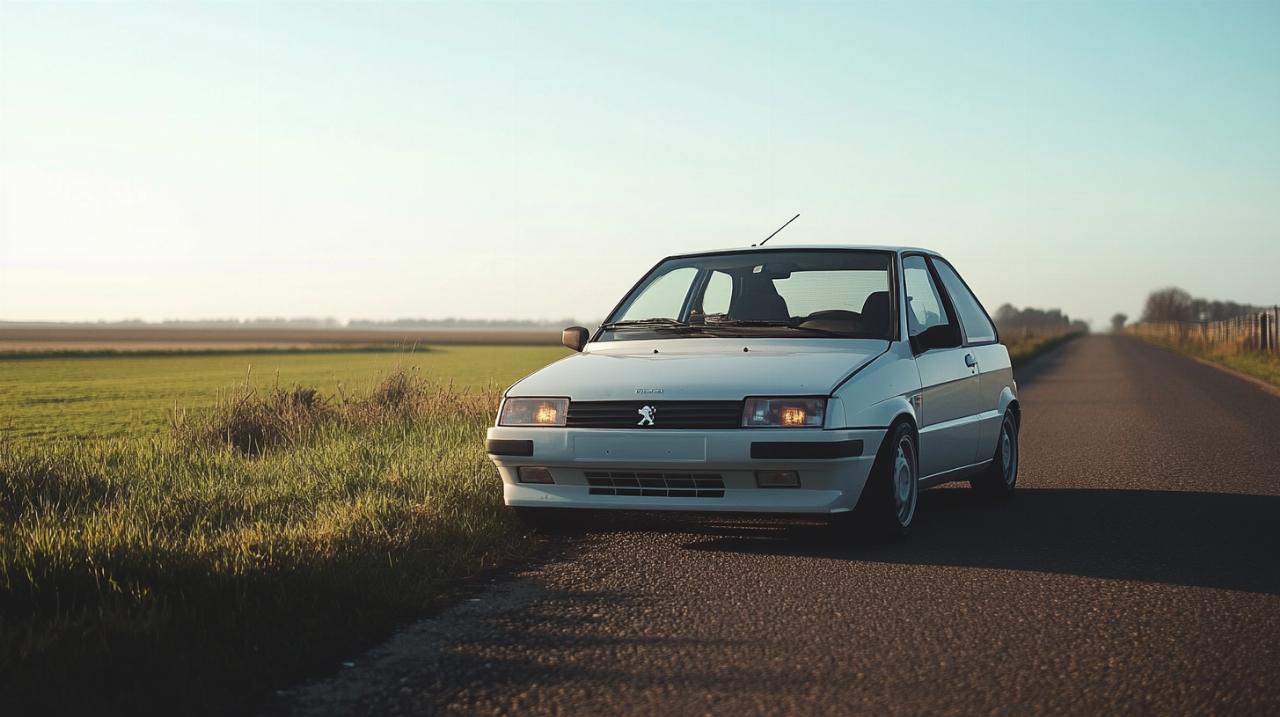
Beyond the well-known performance variants, Peugeot produced numerous limited editions throughout the 106's production run, many of which featured distinctive colour schemes, unique interior trim, or special equipment packages. These special versions were marketed successfully towards younger buyers who wanted something individual, and they helped maintain interest in the model throughout its lifecycle.
Certain colour combinations and specification packages have become particularly sought after by collectors. Original paint finishes in rare hues, especially when combined with matching interior details, can substantially increase a car's desirability. Similarly, anniversary editions or versions celebrating motorsport successes carry additional cachet amongst enthusiasts who value these connections to the model's heritage.
The challenge for collectors lies in identifying genuinely rare variants versus standard models fitted with aftermarket accessories to mimic special editions. Documentation proving provenance and originality becomes crucial when assessing these vehicles, as does familiarity with the specific features that distinguished limited editions from regular production cars.
Investing in a Peugeot 106: What Collectors Need to Know
Identifying original specifications and avoiding modified examples
For those considering a Peugeot 106 as a collectible investment or enthusiast purchase, understanding original specifications proves essential. The model's popularity amongst younger drivers during its heyday means that many examples were modified, sometimes tastefully but often not. Prospective buyers should thoroughly inspect any car and verify that major components match original factory specifications.
Checking for rust represents a critical step in the evaluation process, as the 106, like many vehicles from this era, can suffer from corrosion in specific areas including wheel arches, sills, and the floor pan. Engine condition matters enormously, particularly on performance variants where enthusiastic driving may have taken its toll. Service history, whilst not always complete given the age of these vehicles, provides valuable insight into how a car has been maintained throughout its life.
Original paint, unmolested bodywork, and factory-correct interior trim all contribute significantly to a car's collector value. Modifications that can be easily reversed matter less than permanent alterations to bodywork or the replacement of original components with aftermarket alternatives. Buyers seeking investment-grade examples should prioritise originality above almost all other considerations, as the market consistently rewards unmolested cars.
Maintenance Considerations and Parts Availability for Long-Term Ownership
Owning a Peugeot 106 can be a rewarding experience due to its charm and character, but prospective collectors should understand the practical aspects of long-term ownership. Fortunately, parts for the 106 remain generally affordable and easy to source, thanks to the model's popularity and the continued existence of specialist suppliers serving the enthusiast community. Common service items present no particular challenges, and many components interchange with other Peugeot models from the same era.
Routine maintenance proves straightforward, with most tasks well within the capabilities of competent home mechanics. The simplicity of the car's design, particularly on non-GTi variants, means that complex diagnostics or specialist tools are rarely required. This accessibility makes the 106 an excellent choice for collectors who enjoy working on their vehicles rather than relying entirely on professional workshops.
However, certain trim pieces, specific interior components, and body panels can prove harder to locate, especially for limited edition variants. Enthusiasts planning long-term ownership would be wise to acquire spare parts when opportunities arise, building a stock of items that may become scarcer as the years progress. The dedicated enthusiast community proves invaluable here, with members often knowing where rare components can be found or having spares available for fellow owners.
The question of whether the Peugeot 106 qualifies as a genuine collector's car ultimately depends on individual perspective. Standard variants may never achieve spectacular values, but they offer affordable entry into classic car ownership with manageable running costs. Performance models and rare editions, conversely, have already established themselves as desirable collectibles with values reflecting their significance in automotive history. For those who appreciate honest, characterful motoring from an era when driving pleasure wasn't sacrificed to efficiency targets, the Peugeot 106 represents an increasingly appealing proposition.