

Owning a home is a significant milestone, but it comes with responsibilities that extend far beyond the initial purchase. Proper upkeep not only ensures the safety and comfort of your household but also preserves the value of your investment over time. By familiarising yourself with essential maintenance practices, you can avoid costly repairs and keep your property in excellent condition throughout the year. Understanding the systems within your home and creating a routine schedule for inspections and tasks will help you stay ahead of potential issues before they escalate into major problems.
Protecting your home with safety devices
The importance of smoke alarms and carbon monoxide detectors
Ensuring the safety of your household begins with reliable detection devices. Smoke alarms and carbon monoxide detectors are critical components in any home, providing early warnings that can save lives in the event of a fire or gas leak. These devices should be installed in key areas such as hallways, bedrooms, and near kitchens or boilers. Regular testing is essential to confirm they are functioning correctly, and it is advisable to test them at least once a month. Much like automobile maintenance tips remind us to check our vehicle's safety features regularly, homeowners must also prioritise these life-saving devices to maintain a secure living environment.
How often should you replace your safety equipment
While testing is crucial, it is equally important to know when to replace your safety equipment entirely. Most smoke alarms have a lifespan of around ten years, after which their sensors may become less reliable. Carbon monoxide detectors typically last between five and seven years, depending on the model. Even if the devices appear to be working, replacing them according to the manufacturer's guidelines ensures that you are never caught off guard. Replacing batteries at least once a year, or whenever the low battery alert sounds, is another simple yet vital step in maintaining the effectiveness of these devices.
Maintaining your guttering system
Signs your gutters need cleaning
Gutters play a pivotal role in directing rainwater away from your home, preventing water damage to your roof, walls, and foundation. Over time, leaves, twigs, and debris can accumulate, causing blockages that compromise their functionality. Signs that your gutters need attention include water overflowing during rainfall, sagging sections, or visible plant growth within the channels. If you notice damp patches on exterior walls or pooling water near the foundation, these are clear indicators that your guttering system is not performing as it should. Addressing these issues promptly can save you from more extensive and expensive repairs down the line.
Preventing water damage through proper gutter maintenance
Regular cleaning of your gutters, ideally at least twice a year during spring and autumn, helps to prevent the kind of water damage that can undermine your home's structural integrity. Blocked gutters can lead to water seeping into your roof space, causing rot and encouraging mould growth. In winter, trapped water can freeze and expand, leading to cracks and further deterioration. By keeping your gutters clear and ensuring downpipes are free from obstructions, you protect not only your roof but also your walls and foundation from moisture-related problems. Investing a little time in this task can significantly extend the lifespan of your home's exterior.
Preparing your heating system for winter
When to schedule your boiler service
As the colder months approach, ensuring that your heating system is in peak condition becomes a priority. Scheduling a boiler service before the onset of winter is a proactive step that can prevent breakdowns during the coldest days of the year. Most experts recommend having your boiler inspected annually, preferably during the summer or early autumn when demand for heating engineers is lower. During a service, a qualified technician will check for leaks, test safety controls, and ensure that the system is operating efficiently. This routine maintenance not only keeps your home warm but also helps to identify potential issues before they become costly emergencies.
Benefits of annual heating system maintenance
Annual maintenance of your heating system offers numerous benefits beyond simply avoiding a breakdown. Regular servicing can improve energy efficiency, which in turn reduces your heating bills and lowers your carbon footprint. A well-maintained boiler operates more smoothly, placing less strain on its components and extending its overall lifespan. Additionally, keeping your heating system in good working order is often a requirement for maintaining manufacturer warranties and home insurance policies. By making this an annual habit, you ensure that your home remains comfortable throughout the winter while safeguarding your financial investment.
Addressing plumbing issues before they escalate
Common signs of plumbing leaks in your home
Plumbing problems can quickly escalate from minor inconveniences to major disasters if left unaddressed. Common signs of leaks include unexplained increases in your water bill, damp patches on walls or ceilings, and the sound of running water when taps are turned off. Musty odours or visible mould growth can also indicate hidden moisture issues. Checking under sinks, around toilets, and near appliances such as washing machines and dishwashers can help you spot leaks early. Even a small drip can waste a significant amount of water over time and lead to structural damage, so vigilance is key to maintaining a healthy plumbing system.
Quick fixes versus professional plumber assistance
While some minor plumbing issues can be resolved with basic tools and a little know-how, it is important to recognise when professional assistance is necessary. Tightening a loose tap or replacing a worn washer might be within the capabilities of most homeowners, but more complex problems such as burst pipes or persistent leaks require the expertise of a qualified plumber. Attempting to tackle major repairs without the proper skills can lead to further damage and higher costs. Establishing a relationship with a reliable plumber ensures that you have someone to call when urgent issues arise, and regular inspections can help prevent problems from developing in the first place.
Garden and yard upkeep
Preventing pest infestations through proper garden care
Your garden and yard are not just spaces for relaxation and recreation; they also play a crucial role in protecting your home from pests and other unwanted visitors. Overgrown vegetation, piles of leaves, and standing water can attract rodents, insects, and other creatures that may eventually find their way indoors. Keeping your lawn trimmed, clearing away debris, and ensuring proper drainage can significantly reduce the risk of infestations. Regularly inspecting the exterior of your home for cracks or gaps where pests might enter is another important step in maintaining a secure and comfortable living environment.
Seasonal garden maintenance tasks
Each season brings its own set of tasks to keep your garden and yard in top condition. In spring, focus on clearing away winter debris, pruning plants, and preparing flower beds for new growth. Summer is an ideal time to mow the lawn regularly, water plants during dry spells, and clean outdoor furniture and patios. Autumn calls for raking leaves, aerating the soil, and planting bulbs for the following year. Winter maintenance involves protecting delicate plants from frost, checking fences and gates for storm damage, and ensuring that pathways remain clear and safe. By following a seasonal schedule, you can enjoy a beautiful and functional outdoor space throughout the year.
Keeping your property well-painted
Choosing the right paint for exterior and interior walls
A fresh coat of paint does more than enhance the aesthetic appeal of your home; it also provides an essential layer of protection against the elements. When selecting paint for exterior walls, opt for high-quality, weather-resistant formulas designed to withstand rain, wind, and UV exposure. For interior spaces, consider low-VOC paints that improve air quality and are safer for your family. Different rooms may require different finishes, with bathrooms and kitchens benefiting from moisture-resistant options. Taking the time to choose the right products ensures that your paintwork remains vibrant and durable for years to come.
How fresh paint protects your home's structure
Beyond its decorative function, paint acts as a barrier that shields your home's surfaces from moisture, dirt, and wear. On exterior walls, paint prevents water from seeping into brickwork or woodwork, reducing the risk of rot and structural damage. Regular repainting, particularly in areas exposed to harsh weather, helps to maintain this protective layer and can prevent costly repairs. Inside your home, fresh paint can seal minor cracks and imperfections, contributing to better insulation and energy efficiency. By keeping your property well-painted, you not only enhance its appearance but also safeguard its long-term integrity.
Roof inspection and maintenance
Warning signs of roof damage to watch for
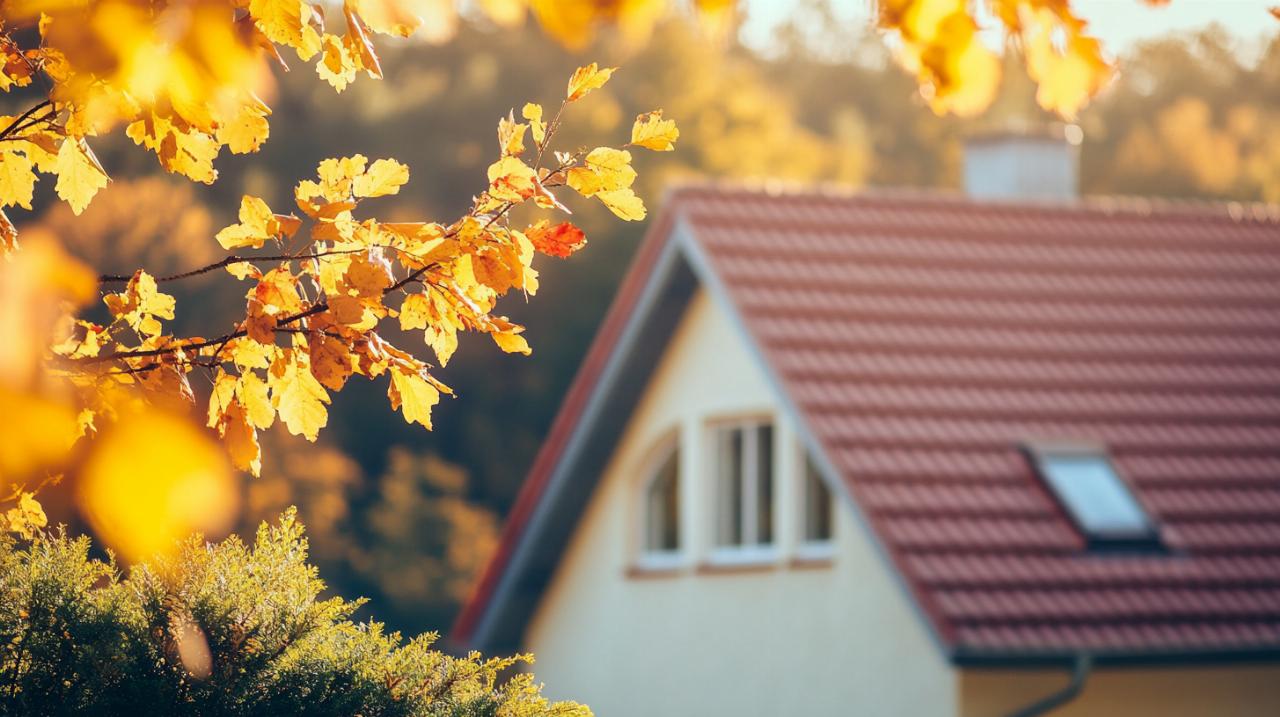
Your roof is your home's first line of defence against the elements, making regular inspections essential. Warning signs of damage include missing or cracked tiles, sagging areas, and visible daylight through the roof boards. Inside your home, look for water stains on ceilings or walls, which may indicate leaks. After severe weather, such as storms or heavy snowfall, it is wise to conduct a visual check from the ground or hire a professional to assess any potential damage. Catching problems early can prevent more extensive and expensive repairs, ensuring that your roof continues to protect your home effectively.
Extending your roof's lifespan through regular checks
Regular maintenance and timely repairs can significantly extend the lifespan of your roof. Scheduling an annual inspection by a qualified roofer allows for the identification and resolution of minor issues before they develop into major concerns. Clearing moss and debris, checking the condition of flashing around chimneys and skylights, and ensuring that roof valleys are free from obstructions are all important tasks. Investing in routine care not only protects your home from water damage but also maintains its value and curb appeal. A well-maintained roof can last decades, providing peace of mind and saving you from the expense of premature replacement.