
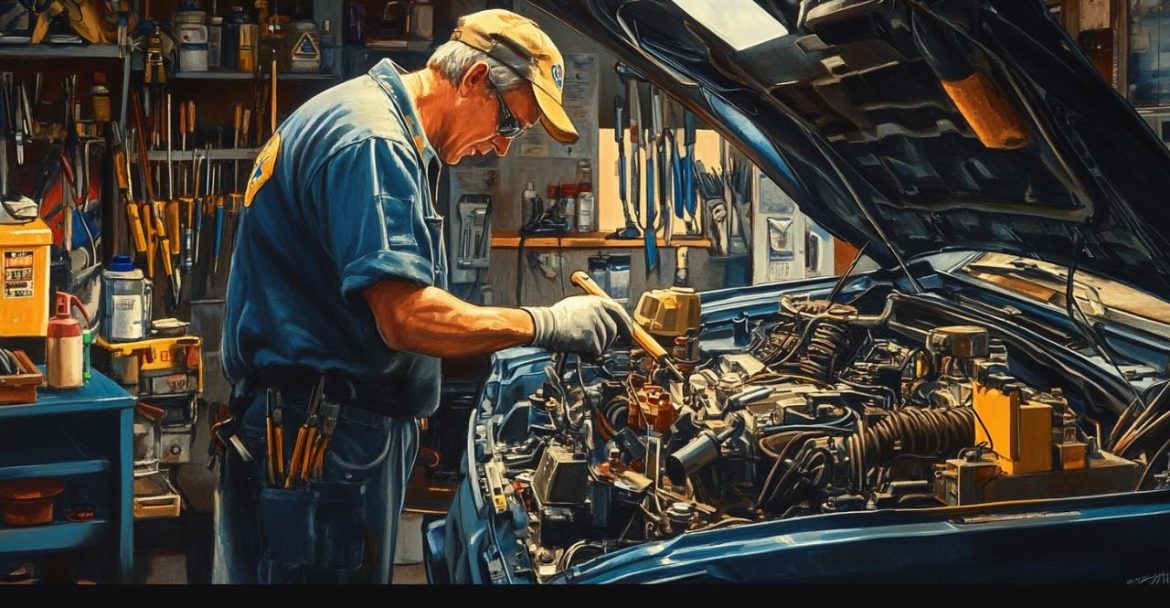
In the fast-paced world of automotive engineering, the voice of the driver has emerged as a powerful force shaping the evolution of vehicle design and performance. While manufacturers traditionally relied on laboratory tests and theoretical models, a transformative shift has occurred. Engineers now turn to real-world customer experiences, service reports, and detailed feedback to refine mechanical systems, improve reliability, and enhance user satisfaction. This approach bridges the gap between design intent and practical outcomes, allowing brands such as Renault, Fiat, and Citroen to develop vehicles that truly respond to the demands of everyday motoring. The integration of driver insights into technical development has become an indispensable tool, ensuring that each new edition of a model reflects lessons learned from the road, the workshop, and the voices of those who drive.
Understanding the Technical Foundations of Driver-Centric Vehicle Development
At the heart of modern automotive engineering lies a commitment to understanding how customers interact with their vehicles. This paradigm shift means that technical decisions are no longer made in isolation but are informed by comprehensive data gathered from drivers across diverse conditions. The experiences of motorists navigating urban congestion, rural routes, and motorway journeys provide invaluable context that laboratory simulations cannot replicate. Engineers analyse customer feedback to identify recurring issues, comfort concerns, and performance expectations, which in turn guide iterative improvements in design and functionality. This methodology ensures that theoretical engineering principles are validated against the lived realities of vehicle operation, creating a feedback loop that drives continuous enhancement.
How customer experiences shape engineering methodology and design parameters
Customer experiences serve as a critical data source that influences everything from suspension tuning to cabin ergonomics. When a driver reports excessive road noise or a steering response that feels imprecise, engineers examine these observations alongside telemetry and sensor data to pinpoint underlying causes. This process involves cross-referencing complaints with component wear patterns, material performance, and assembly tolerances. By treating each piece of feedback as a diagnostic clue, manufacturers can adjust design parameters to address specific pain points. For instance, if numerous owners of a particular model mention premature brake wear, engineers may revise pad composition, calliper design, or even the electronic brake distribution algorithm. Such adjustments demonstrate how subjective opinions, when systematically gathered and analysed, translate into measurable technical improvements that enhance reliability and driver confidence.
The Role of Field Reports in Refining Mechanical Systems Across Renault, Fiat, and Citroen Models
Field reports from authorised service centres and independent workshops offer a treasure trove of information that directly impacts the refinement of mechanical systems. Renault, Fiat, and Citroen have each adopted robust mechanisms for collecting and interpreting this data, ensuring that lessons learned from one generation of vehicles inform the next. When technicians document recurring faults or unexpected component failures, these observations are fed back to design teams who can investigate root causes and implement corrective measures. For example, if a particular Renault engine exhibits timing chain wear earlier than expected, engineers can adjust tensioner specifications, lubrication protocols, or material selection in subsequent editions. Similarly, Fiat's approach to clutch durability has evolved significantly based on reports from mechanics who perform thousands of repairs annually. Citroen, renowned for its innovative suspension systems, continually refines its designs by incorporating feedback on ride comfort and handling characteristics. This iterative process not only improves product quality but also builds trust with customers who see their concerns addressed in tangible ways.
Practical Applications of Feedback in Maintenance Protocols and Component Reassembly
The practical benefits of driver feedback extend beyond initial design into the realm of maintenance and repair. Technicians working on vehicles day in and day out develop a nuanced understanding of which components are prone to failure and which assembly techniques yield the longest service life. This hands-on knowledge, when documented and shared, becomes an essential part of evolving maintenance protocols. Manufacturers increasingly recognise that the expertise of workshop professionals complements engineering theory, leading to the development of repair procedures that are both efficient and effective. By integrating field observations into official service manuals and training programmes, the industry ensures that every technician has access to the most current and practical guidance for component reassembly and troubleshooting.
Dismantling Procedures Informed by Real-World Service Opinions and Performance Data
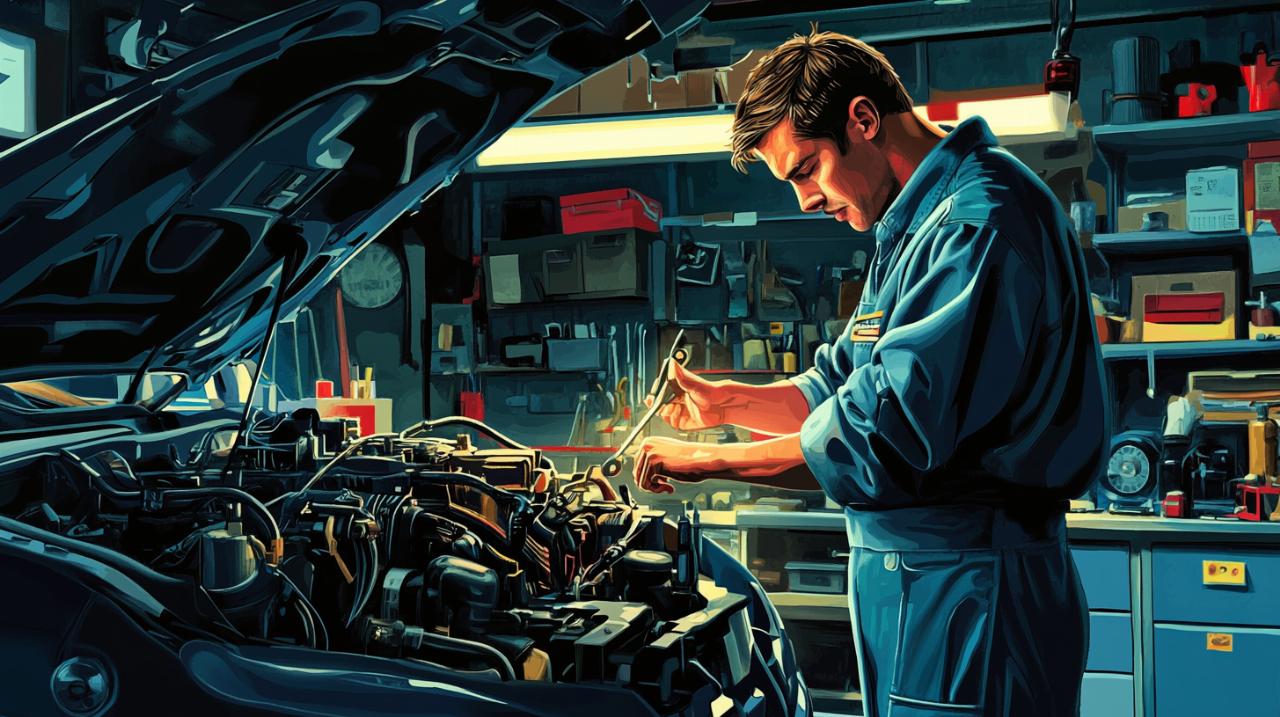
Dismantling a modern automobile requires precision, patience, and a thorough understanding of the vehicle's architecture. Real-world service opinions have highlighted areas where original design specifications may lead to complications during disassembly. For instance, technicians may discover that certain fasteners are difficult to access or that specific components are prone to damage when removed without specialised tools. This feedback prompts manufacturers to revise workshop manuals, clarify dismantling sequences, and even redesign parts to facilitate easier servicing. Performance data collected from vehicles in the field further informs these procedures by revealing which systems experience the highest failure rates and therefore require the most robust dismantling protocols. By acknowledging the challenges faced by service personnel, automotive brands can streamline repair processes, reduce downtime, and lower the overall cost of ownership for customers.
Verified repair techniques: translating driver input into workshop best practice
Verified repair techniques emerge when driver input is systematically translated into actionable workshop best practice. This process begins with the collection of detailed feedback from vehicle owners who report issues such as persistent warning lights, unusual noises, or performance anomalies. Engineers and service specialists collaborate to investigate these complaints, often replicating conditions in controlled environments to identify the most effective solutions. Once a repair method is proven to resolve an issue reliably, it is documented, tested across multiple service centres, and incorporated into official technical guidance. This rigorous verification process ensures that technicians can approach complex repairs with confidence, knowing that the recommended procedures have been validated through real-world application. Moreover, this approach fosters a culture of continuous improvement, where lessons learned from one repair inform the next, ultimately elevating the standard of service across the entire industry.
Evaluating design evolution through successive vehicle editions and technical documentation
The evolution of vehicle design is best understood by examining successive editions of a model and the technical documentation that accompanies them. Each new version represents a synthesis of accumulated knowledge, incorporating refinements based on customer feedback, engineering analysis, and competitive benchmarking. By comparing the specifications, component choices, and performance characteristics of different editions, it becomes possible to trace the impact of driver-centric development. This comparative approach not only reveals the trajectory of design evolution but also underscores the importance of transparency and accessibility in technical communication.
Comparative Analysis of Automobile Versions: Learning from Customer-Driven Modifications
A comparative analysis of automobile versions provides compelling evidence of how customer-driven modifications shape the industry. Consider the progression of a popular hatchback from one generation to the next. Early models may have been criticised for inadequate soundproofing or a cramped rear cabin. In response, subsequent versions typically feature improved insulation materials, revised seating arrangements, and enhanced noise, vibration, and harshness control measures. Similarly, feedback regarding fuel economy and emissions performance often leads to the adoption of advanced powertrains, including hybrid systems and optimised combustion strategies. By systematically documenting these changes and the feedback that prompted them, manufacturers create a transparent record of continuous improvement. This not only builds customer confidence but also serves as a valuable resource for engineers working on future projects, ensuring that hard-won lessons are not lost but instead become the foundation for further innovation.
Ensuring Transparency and Accessibility: The Importance of Structured PDF Technical Guides
Transparency and accessibility in technical communication are paramount for fostering trust between manufacturers, service professionals, and end users. Structured technical guides, often provided in PDF format, play a crucial role in this ecosystem. These documents compile comprehensive information on vehicle specifications, repair procedures, diagnostic codes, and component tolerances, all in a format that is easy to distribute, verify, and update. For technicians, having access to clear, detailed instructions reduces the risk of errors during repairs and ensures that work is carried out to manufacturer standards. For customers, the availability of such documentation demonstrates a commitment to openness and quality. Furthermore, these guides serve as a historical record, enabling comparative analysis across different vehicle editions and facilitating ongoing research into design evolution. By prioritising clarity and completeness in technical documentation, the automotive industry reinforces its dedication to continuous improvement and customer satisfaction.