
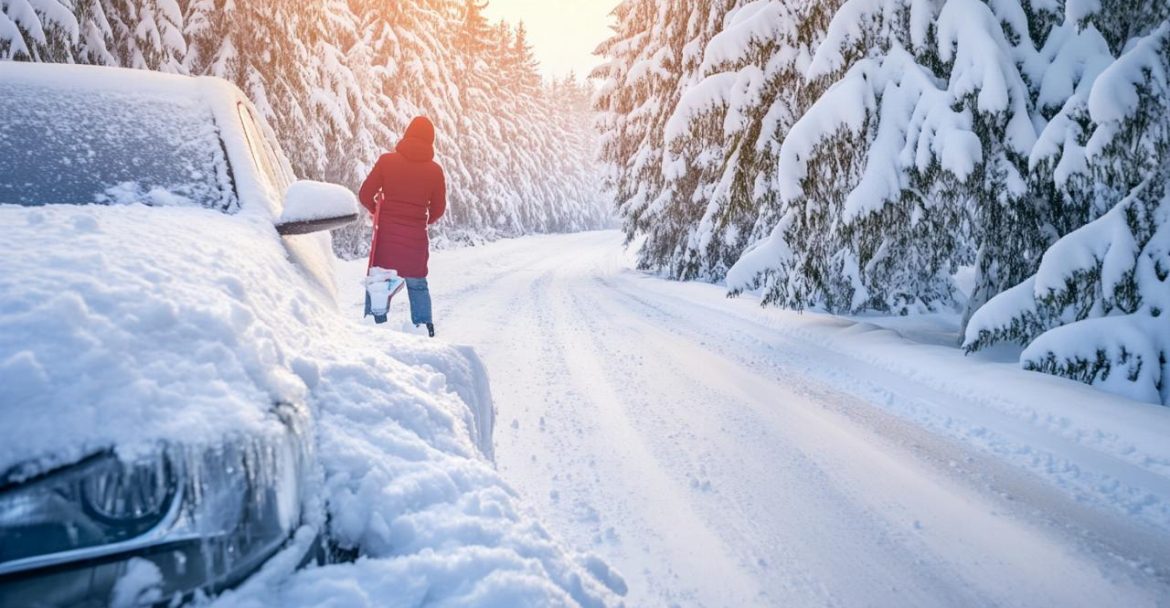
As winter settles across the United Kingdom, motorists face the familiar challenge of dealing with snow and ice accumulation on their vehicles. Proper snow removal is not merely a matter of convenience but a critical safety measure that can prevent accidents, improve visibility, and ensure optimal vehicle performance during the coldest months. Understanding the correct techniques and preparation strategies can make all the difference when navigating treacherous winter roads.
Essential Techniques for Safe Snow Removal from Your Vehicle
Clearing snow from your vehicle requires a methodical approach that prioritises both safety and thoroughness. Many drivers underestimate the importance of removing snow from all surfaces, not just the windscreen, but failing to do so can create hazardous conditions for yourself and other road users. Snow left on the roof can slide forward during braking, suddenly obstructing your view, whilst chunks falling from your vehicle can become projectiles that endanger following traffic.
Proper Methods for Clearing Snow from Roof, Bonnet, and Boot
Begin by addressing the roof of your vehicle, as this area typically accumulates the most snow. Use a soft-bristled snow brush or a dedicated snow broom with an extendable handle to reach across the entire roof surface. Work systematically from one side to the other, pulling the snow towards you rather than pushing it away, which helps prevent unnecessary strain. Take care not to use excessive force that might scratch the paintwork or damage any roof fixtures such as aerials or roof rails.
The bonnet and boot require similar attention, though these surfaces are generally easier to access. Clear these areas completely, as snow remaining on the bonnet can blow onto the windscreen whilst driving, creating sudden visibility problems. When removing snow from the boot, ensure you also clear around the rear lights and number plate, as obscured lights can result in fines and compromise your visibility to other drivers. Remember to work from the centre outwards, allowing the snow to fall naturally to the ground rather than piling it onto areas you have already cleared.
How to Safely Remove Ice and Snow from Windows and Mirrors
Windows and mirrors demand particular care, as these surfaces are essential for maintaining proper visibility throughout your journey. Never attempt to use hot water to defrost frozen windows, as the sudden temperature change can cause the glass to crack, resulting in costly repairs. Instead, use a proper ice scraper with a comfortable grip, working in straight lines rather than circular motions to avoid scratching the glass. For stubborn ice, allow the vehicle's heating system to warm the interior gradually, which will loosen the ice from the inside.
Side mirrors often harbour ice and snow in hard-to-reach crevices. Gently clear these areas with a smaller scraper or a gloved hand, ensuring the mirror surface is completely free from obstruction. Rear windows, particularly on hatchbacks and estate cars, deserve equal attention despite being easier to overlook. Driving with only a small cleared patch on any window is not only dangerous but also illegal, so invest the time to ensure complete clarity across all glazed surfaces before setting off.
Winter driving preparation and safety measures
Preparation extends far beyond simply clearing snow from your vehicle. The unpredictable nature of winter weather demands that drivers equip themselves with the right tools and adopt a mindset focused on caution and readiness. Taking a few extra minutes before departure can prevent hours of difficulty or danger on the road.
Using de-icer products and tools effectively
A quality de-icer spray is an invaluable addition to your winter vehicle kit, capable of quickly breaking down ice formation on glass surfaces. Apply de-icer generously to frozen windows before attempting to scrape, allowing the chemical solution several moments to penetrate and soften the ice. This approach significantly reduces the physical effort required and minimises the risk of damaging window seals or wiper blades. Keep a spare canister in your vehicle, as running out during an unexpected cold snap can leave you stranded.
Your winter toolkit should also include a sturdy shovel, particularly useful if your vehicle becomes stuck in deeper snow or if you need to clear a path from a driveway. A teaspoon of salt per square metre can effectively defrost ice, making it a practical addition for treating stubborn patches around door handles and locks. Additionally, carrying a blanket, torch, warm clothing, wellington boots, and basic provisions such as food and drink creates a comprehensive emergency kit that provides security should you become immobilised in severe conditions. A tow rope and fully charged mobile phone complete this essential collection, ensuring you have options for summoning assistance if required.
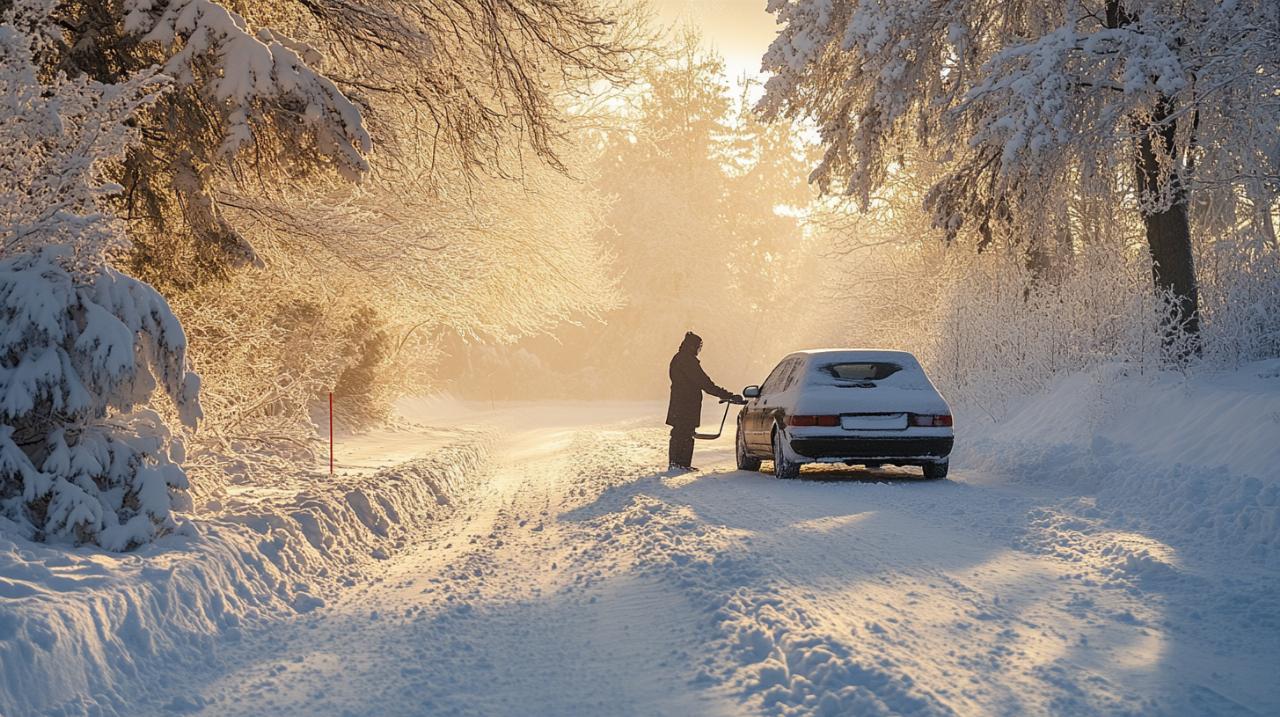
Tyre maintenance and checking road conditions before travel
Tyre condition becomes exponentially more important during winter months, as these are your only contact points with potentially treacherous road surfaces. Check tyre pressure regularly, as cold weather causes air to contract, leading to underinflation that compromises grip and handling. Tread depth should exceed the legal minimum, though for optimal winter performance, deeper treads provide significantly better traction in snow and slush. Consider whether winter tyres might be appropriate for your circumstances, particularly if you live in areas prone to prolonged cold spells or if your work requires regular travel during harsh conditions.
Before embarking on any winter journey, take time to check current road conditions through reliable sources such as local council websites or traffic information services. Lincolnshire County Council, like many local authorities, maintains expert gritter teams that work diligently to keep routes safe, but even treated roads can become hazardous quickly when conditions deteriorate. If weather forecasts predict dangerous conditions, seriously consider postponing non-essential travel. When travel is unavoidable, inform someone about your intended route and estimated arrival time, creating a safety network should you encounter difficulties.
Preventing vehicle immobilisation and optimising winter performance
Beyond the immediate task of snow removal, understanding how winter conditions affect your vehicle's performance helps you anticipate challenges and take preventative measures. Cold weather impacts various vehicle systems in ways that drivers may not immediately recognise, making awareness crucial for maintaining mobility and safety.
Understanding Snow Impact on Fuel Consumption and Electric Vehicle Range
Snow and ice create additional resistance that forces your engine to work harder, leading to increased fuel consumption even during seemingly straightforward journeys. This effect becomes more pronounced when snow accumulates on the vehicle body, adding weight and disrupting aerodynamics. Keeping your vehicle clear of excess snow therefore serves the dual purpose of maintaining safety whilst also preserving fuel efficiency during a season when every journey demands more resources.
Electric vehicle owners face particular challenges during winter months, as cold temperatures significantly reduce battery efficiency and overall range. Heating the cabin draws substantial power from the battery, and the chemical processes within battery cells slow down in cold conditions, diminishing available capacity. Pre-conditioning your electric vehicle whilst still connected to mains power can help mitigate these effects, warming both the cabin and battery before departure. Additionally, clearing all snow from your electric vehicle reduces the energy required to overcome resistance, helping preserve precious range during the most demanding driving conditions.
Avoiding thermal shock and ensuring comfortable winter journeys
Thermal shock represents a genuine risk to vehicle components, particularly glass and engine parts that expand and contract with temperature changes. Starting your engine and allowing it to warm gradually rather than revving immediately protects mechanical components from unnecessary stress. Similarly, resisting the temptation to pour hot water onto frozen locks or windows prevents the cracking and damage that sudden temperature differentials can cause.
Comfortable winter journeys begin with proper clothing choices for those moments when you must leave the vehicle. Wrapping up warmly with multiple layers, wearing stout footwear suitable for slippery surfaces, and donning a reflective coat all contribute to personal safety, particularly if you need to clear snow or handle an emergency situation. Be mindful of hypothermia risks, especially during prolonged exposure to cold whilst dealing with vehicle problems. When driving through snow, reduce your speed appropriately, handle all controls gently to maintain traction, and increase the distance between your vehicle and others significantly, as stopping distances can multiply several times over compared to dry conditions. These adjustments transform winter driving from a source of anxiety into a manageable challenge, allowing you to maintain mobility whilst prioritising safety above all else.