
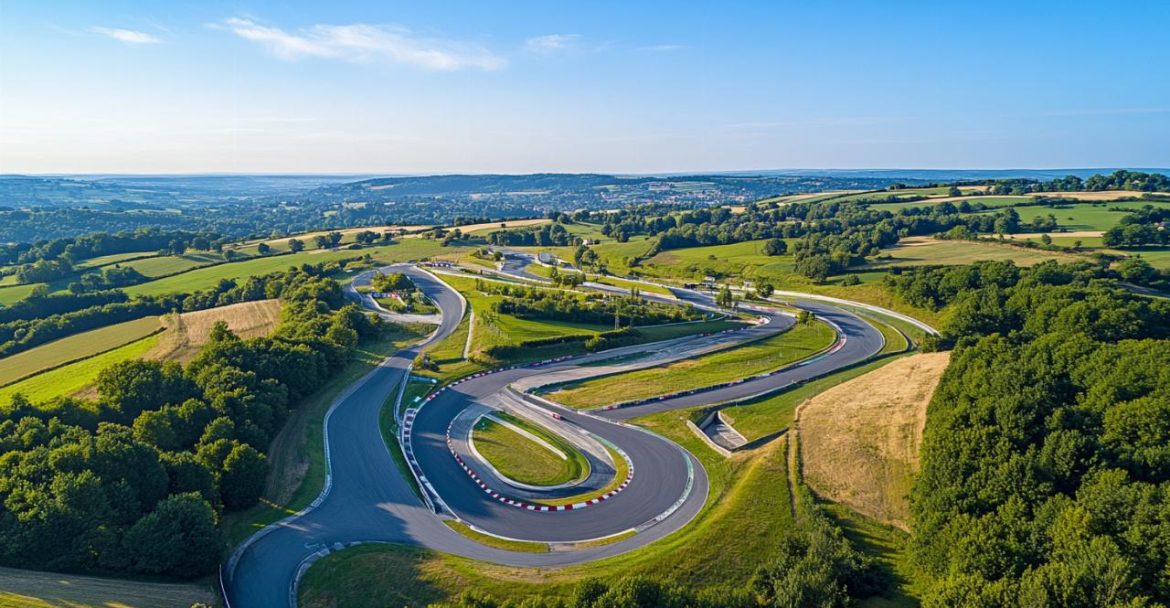
The rolling landscape of Picardy, with its rich heritage and strategic position in northern France, has emerged as an unexpected champion in the world of motorsport. Across this historic region, racing circuits are not merely venues for adrenaline-fuelled competition but have become powerful engines driving economic transformation and infrastructure modernisation. From the roar of engines to the quiet hum of construction machinery, these tracks are reshaping the region's future, one lap at a time.
Picardy's premier racing circuits: engines of economic growth
Motor racing circuits in Picardy have evolved far beyond their original purpose as sporting venues. They now serve as focal points for regional development, attracting substantial investment and prompting comprehensive upgrades to local infrastructure. The economic ripples generated by these tracks extend well beyond race day, creating lasting benefits for communities throughout the region.
Strategic Locations: Abbeville, Folembray, and Clastres as Regional Hubs
The circuits at Abbeville, Folembray, and Clastres have been deliberately positioned to maximise their impact on regional connectivity. Abbeville's circuit benefits from proximity to major arterial routes, making it easily accessible for international visitors travelling from across the Channel and beyond. Folembray, nestled in the heart of Picardy, serves as a central hub connecting multiple townships and villages that previously suffered from limited transport options. Meanwhile, Clastres has become a beacon for motorsport enthusiasts, drawing crowds that have necessitated significant improvements to surrounding road networks. These locations were selected not merely for their suitability for racing but for their potential to act as catalysts for broader infrastructure development. Local authorities recognised early that investment in these venues would create justification for modernising transport links, improving drainage systems, and upgrading utilities that had long been neglected.
Investment in Road Networks and Transport Links Surrounding Racing Venues
The presence of these racing circuits has attracted considerable funding for road improvements that might otherwise have languished on planning desks for decades. Resurfacing projects, junction improvements, and widened carriageways have been prioritised in areas surrounding the tracks, with local councils citing the need to accommodate increased traffic volumes during major events. These upgrades serve dual purposes, benefiting both race day visitors and local residents who have long endured inadequate road conditions. Beyond simple road maintenance, the circuits have prompted the development of enhanced public transport services. Bus routes have been extended and frequency increased, whilst railway stations near the circuits have received much-needed renovation. This improved connectivity has opened up employment opportunities for residents previously isolated by poor transport links, whilst also making the region more attractive to businesses considering relocation. The infrastructure improvements extend underground as well, with utilities companies investing in upgraded water, sewage, and telecommunications networks to support the increased demand generated by racing events and associated developments.
Motorsport Events as Catalysts for Tourism Development
The transformation of Picardy's racing circuits into tourism magnets has exceeded all initial projections. What began as occasional race meetings has blossomed into a year-round calendar of events that draw visitors from across Europe and beyond, with significant knock-on effects for the entire tourism sector.
Attracting international visitors through prestigious marque experiences
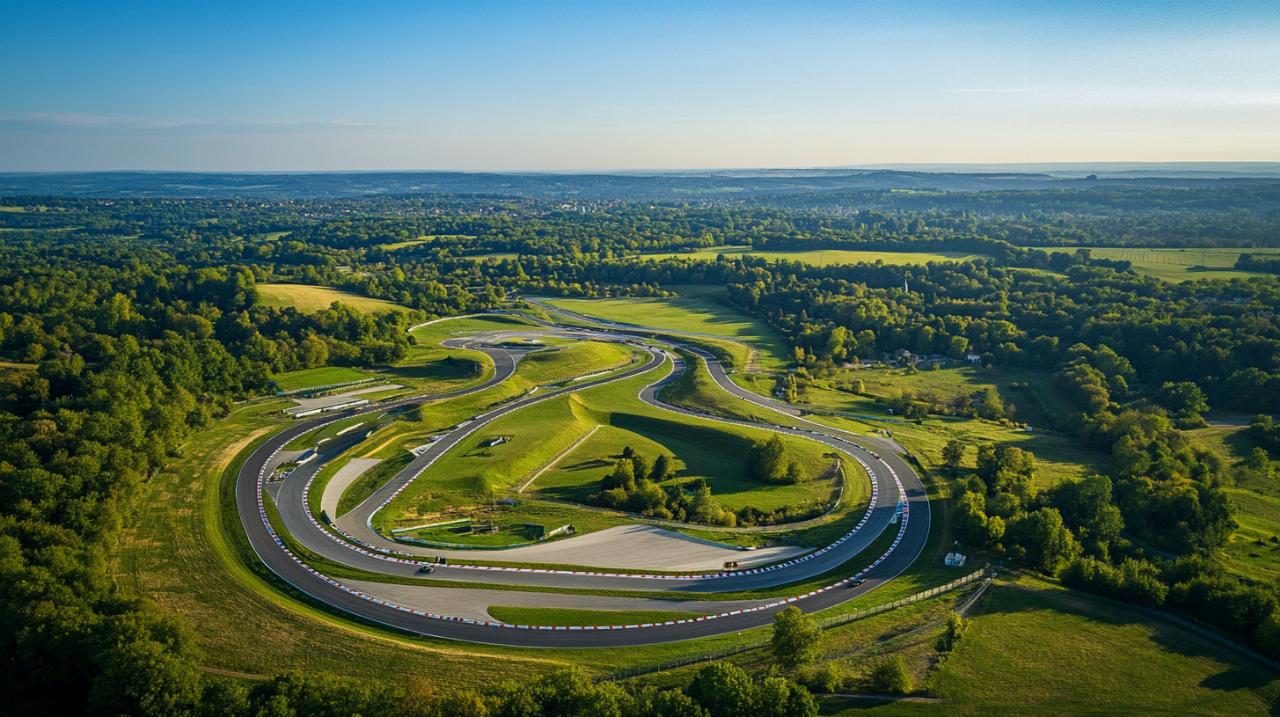
The circuits have secured their position on the international motorsport map by hosting exclusive driving experiences featuring some of the world's most coveted automotive brands. Enthusiasts can pilot Porsche, Ferrari, and Lamborghini vehicles around these professionally maintained tracks, with events often selling out months in advance. The allure of commanding an Aston Martin or Alpine on challenging circuits has proven irresistible to motoring aficionados, many of whom combine their track experience with extended stays to explore the wider region. These prestigious marque events serve a dual purpose, simultaneously boosting the circuits' profiles whilst showcasing Picardy as a destination worthy of international attention. Visitors who might never have considered the region now arrive with disposable income and curiosity about local attractions. The circuits have also embraced motorcycle racing, broadening their appeal and ensuring a diverse calendar that maintains interest throughout the season. This variety ensures that different demographic groups visit at different times, creating a steady stream of tourism revenue rather than occasional peaks.
Hospitality infrastructure: hotels, restaurants, and visitor facilities
The influx of motorsport tourists has necessitated a dramatic expansion of hospitality infrastructure across Picardy. Hotels that were once half-empty during weekdays now regularly operate at capacity, particularly during major racing events. This consistent demand has encouraged proprietors to invest in renovations and expansions, raising standards across the accommodation sector. New establishments have opened specifically to serve the motorsport market, from boutique hotels catering to affluent track day participants to budget options for spectators and support staff. Restaurants throughout the region have similarly benefited, with many adapting their offerings to meet the expectations of international visitors whilst maintaining their authentic regional character. The circuits themselves have developed sophisticated hospitality facilities, including corporate entertainment suites, trackside restaurants, and spectator amenities that rival those found at major international venues. These facilities operate beyond race days, hosting conferences, product launches, and team-building events that further embed the circuits within the regional economy. The cumulative effect has been a transformation in tourism infrastructure that benefits all visitors to Picardy, regardless of their interest in motorsport.
Community benefits: how racing circuits drive local employment and services
Perhaps the most significant impact of Picardy's racing circuits lies in their contribution to local employment and the strengthening of community services. The tracks have become year-round employers, providing stable income for hundreds of residents whilst supporting countless additional jobs in related sectors.
Job Creation in Hospitality, Maintenance, and Event Management Sectors
The racing circuits have created diverse employment opportunities that extend far beyond race day marshals and ticket collectors. Permanent positions in track maintenance, safety management, and administrative roles provide reliable employment for local residents, many of whom previously faced long commutes to urban centres for work. The hospitality sector has experienced particularly robust job creation, with new positions in hotels, restaurants, and visitor services catering to the steady stream of motorsport tourists. Event management has emerged as a growth sector, with specialists required to coordinate the complex logistics of race meetings, track days, and corporate functions. These positions often require technical skills, prompting local colleges to develop specialised training programmes that equip residents with qualifications valued across the events industry. The maintenance of the circuits themselves supports engineering and technical roles, whilst the administrative functions require accountants, marketing professionals, and customer service specialists. This employment diversity has strengthened local communities, reducing out-migration of young people and attracting skilled workers to settle in the region.
Supporting local businesses through year-round motorsport activity
The racing circuits operate on a model that ensures year-round activity rather than seasonal peaks, providing consistent business for local suppliers and service providers. Catering companies, cleaning services, and security firms maintain long-term contracts with the circuits, guaranteeing stable revenue streams that enable these businesses to plan investments and hire additional staff. The circuits source supplies locally wherever possible, from food and beverages to maintenance materials and office supplies, channelling significant spending directly into the regional economy. This commitment to local procurement has strengthened existing businesses whilst encouraging entrepreneurship, as residents identify gaps in the market and establish new ventures to serve the motorsport sector. The circuits have also become community assets, offering their facilities for local events, charity functions, and educational programmes when not occupied by racing activities. This integration into community life has fostered goodwill and ensured that the benefits of motorsport development are widely shared rather than concentrated among a narrow group of stakeholders. The transformation of Picardy's racing circuits from simple sporting venues into drivers of comprehensive regional development demonstrates the unexpected ways in which motorsport can contribute to local prosperity and infrastructure improvement.