
Finding a new car for around ten thousand pounds, or its euro equivalent, requires careful consideration and an understanding of the current market landscape. Whilst the entry price for brand-new vehicles has risen in recent years, there remain options for those seeking affordability without sacrificing essential features such as safety, reliability, and modern convenience. The challenge lies in navigating the available models, understanding the true cost of ownership beyond the initial purchase price, and ensuring that warranty coverage provides adequate protection for your investment. This guide explores the practical aspects of purchasing a budget-friendly vehicle, from selecting the right manufacturer to managing financing and long-term expenses.
Best budget-friendly models under £10,000: dacia, renault and beyond
Top Value Manufacturers: Why Dacia and Renault Lead the Affordable Market
When considering a new car at the lower end of the pricing spectrum, Dacia consistently emerges as a standout manufacturer. The Dacia Sandero, often priced from approximately fourteen thousand seven hundred and sixty-five pounds, represents one of the most accessible entry points into new car ownership. This model offers a practical combination of space, reliability, and low running costs, making it particularly appealing for those prioritising value over luxury. The Sandero's straightforward design and proven mechanical components contribute to its reputation as a no-nonsense vehicle that delivers essential motoring without unnecessary embellishment. For drivers seeking a slightly elevated driving position, the Dacia Sandero Stepway variant provides similar value with modest styling enhancements and increased ground clearance, priced marginally higher at around sixteen thousand and sixty-five pounds. Both versions share the same efficient ninety-horsepower engine, which strikes a reasonable balance between performance and fuel economy.
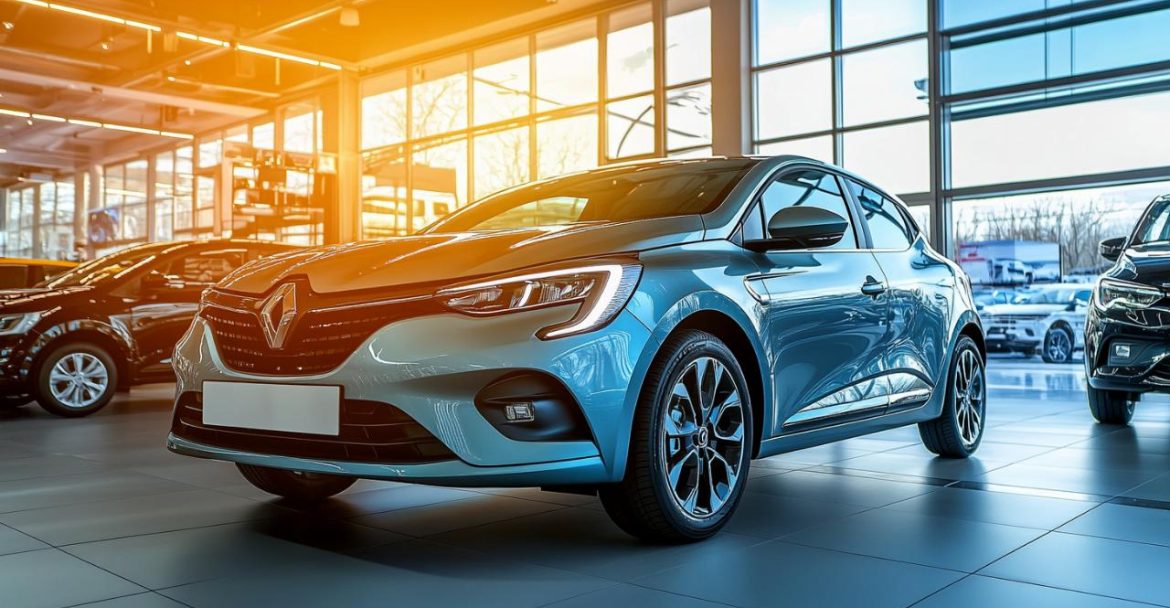
Renault, sharing its parent company with Dacia, also competes effectively in the affordable segment. The Renault Clio, starting from roughly seventeen thousand nine hundred and ninety-five pounds, offers a more refined experience compared to its budget sibling whilst maintaining competitive pricing. This model has earned a five-star Euro NCAP safety rating, reflecting its comprehensive suite of protective features and robust construction. The Clio's interior quality and ride comfort surpass what might be expected at this price point, and its ninety-horsepower engine provides adequate performance for both urban environments and longer journeys. Other manufacturers contributing to the affordable market include Kia with the Picanto, priced from sixteen thousand seven hundred and forty-five pounds, and the MG 3, available from seventeen thousand two hundred and forty-five pounds. Each of these vehicles brings distinct characteristics, yet all share a commitment to delivering essential motoring at accessible prices.
Comparing petrol, diesel and electric options within your budget
Traditionally, petrol engines have dominated the budget vehicle segment due to their lower initial cost and widespread availability. The majority of affordable models, including the Dacia Sandero and Renault Clio, feature small-capacity petrol engines that prioritise fuel efficiency and low insurance premiums. These engines typically deliver between sixty-two and one hundred and fifteen horsepower, sufficient for everyday driving whilst keeping running costs manageable. Diesel options have become less common in this price bracket, partly due to stricter emissions regulations and the higher manufacturing costs associated with modern diesel technology. For buyers covering significant annual mileage, diesel engines may still offer advantages in fuel economy, but such options are increasingly rare in newly manufactured vehicles priced competitively.
Electric vehicles are gradually entering the affordable market, though they still command higher upfront prices than their petrol equivalents. The Dacia Spring, positioned at fifteen thousand nine hundred and ninety pounds, represents one of the most accessible electric options available, with a current discount of three thousand seven hundred and fifty pounds available until March of this year. Its forty-five horsepower motor and modest range suit urban driving patterns, though longer journeys may require careful planning. The Leapmotor T03, priced similarly at fifteen thousand nine hundred and ninety-five pounds, offers ninety-five horsepower and slightly more spirited performance. The BYD Dolphin Surf, starting from eighteen thousand six hundred and fifty pounds, provides eighty-seven horsepower and a range of one hundred and thirty-seven miles, expanding the possibilities for buyers considering an electric transition. Whilst electric vehicles often benefit from lower running costs and reduced maintenance requirements, potential purchasers must weigh these advantages against the higher initial investment and the need for convenient charging infrastructure.
Understanding total ownership costs: insurance, fuel economy and financing solutions
Managing Running Costs: Fuel Consumption and Insurance Premiums for Young Drivers
The purchase price of a vehicle represents only the beginning of your financial commitment. Ongoing expenses such as fuel, insurance, and maintenance significantly influence the true cost of ownership. Fuel consumption varies considerably across models, with smaller petrol engines generally offering the best economy in city driving. The Dacia Sandero's ninety-horsepower petrol unit delivers respectable fuel efficiency, making it particularly suitable for those undertaking predominantly short journeys. Electric vehicles present a different cost structure, with charging typically proving cheaper than petrol or diesel on a per-mile basis, though this advantage depends on access to favourable electricity tariffs and charging infrastructure. Road tax, or vehicle excise duty, also factors into annual running costs, with many newer petrol cars incurring modest fees whilst electric vehicles often benefit from reduced or zero rates.
Insurance premiums can vary dramatically based on the vehicle's insurance group classification, the driver's age and experience, and geographical location. Budget models tend to fall into lower insurance groups due to their modest performance and lower repair costs, making them particularly attractive to younger drivers seeking to minimise premiums. The Kia Picanto and Hyundai i10, for instance, occupy favourable insurance categories, helping to keep annual costs manageable. However, insurers also consider theft rates and accident statistics, so researching the specific insurance group of your chosen model before committing to a purchase proves essential. Young drivers face higher premiums regardless of vehicle choice, yet selecting a car in a lower insurance group, combined with measures such as adding an experienced named driver or opting for a telematics policy, can help mitigate these costs.

Financing your purchase: practical payment plans and deposit strategies
For many buyers, spreading the cost of a vehicle over several years makes ownership more accessible. Personal Contract Purchase arrangements, commonly known as PCP, allow you to pay a deposit followed by fixed monthly payments over a specified term, typically three to four years. At the end of the agreement, you have the option to make a final balloon payment to own the vehicle outright, return it to the dealer, or trade it in for a new model. This flexibility appeals to those who prefer driving a newer car every few years, though it is important to note that you do not own the vehicle during the contract period. Hire Purchase agreements, or HP, function differently by transferring ownership to you once all payments are complete, making them suitable for buyers intending to keep the vehicle long-term. Both options require careful consideration of the total amount payable, including interest, which can add significantly to the overall cost.
Some financial providers offer Shariah-compliant financing options, catering to those seeking ethical alternatives to conventional interest-based arrangements. These solutions structure payments differently, ensuring compliance with Islamic finance principles whilst still enabling vehicle acquisition. Interest rates vary widely depending on your credit history and the lender's terms, with typical APR rates starting from around seven point nine percent for those with strong credit profiles, though representative rates may be higher. When evaluating financing options, it is prudent to compare offers from multiple providers, ensuring that the monthly payments fit comfortably within your budget whilst accounting for other running costs. Pre-registered cars, which have been registered by the dealer but never driven by a customer, can sometimes offer substantial savings compared to factory-fresh models, providing an alternative route to securing a newer vehicle at a reduced price.
Warranty coverage and long-term value: making your investment count
Manufacturer warranties: what protection comes standard at this price point
One of the significant advantages of purchasing a new vehicle, even at the lower end of the market, is the comprehensive manufacturer warranty that accompanies it. These warranties typically cover mechanical and electrical faults for a specified period, often three years or sixty thousand miles, whichever occurs first. Dacia and Renault vehicles benefit from such coverage, providing peace of mind that unexpected repair costs will not immediately burden you. Some manufacturers extend warranty periods further, with certain Kia and Hyundai models offering up to seven years of protection, though these often come at higher purchase prices. Warranty terms vary regarding what is covered, with most excluding wear-and-tear items such as brake pads, tyres, and clutches, whilst protecting against manufacturing defects and component failures.
Understanding the specifics of your warranty is essential, as certain conditions may void coverage. Failing to adhere to the recommended service schedule, using non-approved parts, or modifications can all jeopardise warranty claims. It is advisable to retain all service records and receipts, ensuring that any work is carried out by qualified technicians using appropriate components. Extended warranties can be purchased separately, providing continued protection beyond the manufacturer's standard period, though the cost-effectiveness of these depends on the vehicle's reliability and your anticipated usage. For budget-conscious buyers, the inclusion of a robust manufacturer warranty represents a valuable safeguard, reducing the financial risk associated with ownership and contributing to the vehicle's overall value proposition.
Conducting thorough research: essential checks before committing to your purchase
Before finalising your purchase, dedicating time to comprehensive research can prevent costly mistakes and ensure that your chosen vehicle meets your needs. Independent reviews and professional assessments provide valuable insights into real-world performance, reliability, and ownership experiences that may not be immediately apparent during a brief test drive. The Euro NCAP safety ratings offer objective evaluations of crash protection and advanced safety features, with higher ratings indicating superior occupant protection. Comparing specifications across multiple models helps clarify differences in boot space, rear legroom, and standard equipment, all of which influence day-to-day usability.
Visiting multiple dealerships allows you to compare offers, assess customer service quality, and potentially negotiate more favourable terms. Pre-registered vehicles may offer significant savings, and dealers may be willing to include additional accessories or servicing packages to secure a sale. Checking the vehicle's insurance group and obtaining quotes from multiple insurers before purchase prevents unpleasant surprises once ownership commences. For those considering electric options, evaluating charging infrastructure in your area and understanding the vehicle's range limitations ensures that the transition to electric motoring aligns with your lifestyle. Conducting such thorough due diligence empowers you to make an informed decision, maximising both satisfaction and value from your investment.