
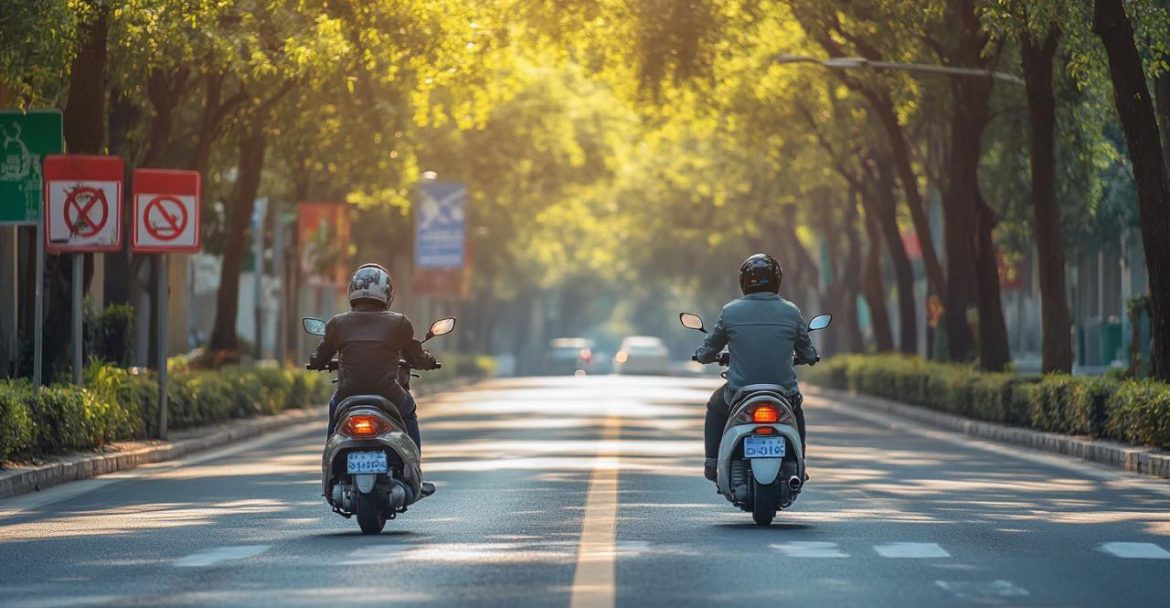
Navigating the roads on a motorcycle demands not only skill and awareness but also a comprehensive understanding of the regulations that govern two-wheeled travel. From speed restrictions to licensing requirements, the Highway Code provides a framework designed to protect riders and all other road users. Whether you are a seasoned motorcyclist or someone considering taking up riding, familiarising yourself with these essential rules ensures that every journey is both lawful and safe.
Essential highway code regulations for motorcycle users
Compliance with Traffic Rules for Motorised Two-Wheelers and Tricycles
Motorcyclists, like all road users, must adhere strictly to the regulations set out in the Highway Code. These rules are not merely suggestions but legal requirements that apply to drivers of motorised vehicles, including two-wheelers and tricycles. Compliance begins with understanding that rules outlined in the Code do not automatically grant priority. Instead, riders are expected to yield where appropriate to avoid incidents and ensure smooth traffic flow. Signals play a crucial role in this framework, as they inform other road users of intended manoeuvres. Clear signalling is mandatory, and riders must obey instructions from police officers and traffic officers at all times. Traffic light signals and road signs are equally binding and must be followed without exception. Furthermore, headlights should be used responsibly to avoid dazzling other drivers, particularly during night-time riding. Braking techniques also fall under these regulations, with careful application advised under normal conditions and immediate braking required in emergencies. Coasting, which involves driving in neutral gear, is discouraged as it reduces control over the motorcycle. By observing these fundamental rules, motorcyclists contribute to a safer road environment for everyone.
Speed Restrictions and Lane Discipline for Safe Riding
Speed limits are a cornerstone of road safety, and motorcyclists must be acutely aware of the varying restrictions depending on the type of road they are travelling on. In built-up areas, the maximum speed is typically thirty miles per hour, which is equivalent to forty-eight kilometres per hour. On dual carriageways and motorways, higher speeds are permitted, but riders must always remain within the legal limits. Exceeding these thresholds not only increases the risk of accidents but also attracts penalties such as fines and penalty points. Maintaining safe stopping distances is equally important, as tailgating is recognised as a dangerous practice that can lead to collisions. Lane discipline is another critical aspect of safe riding. Motorcyclists should stay within lane markings and follow proper lane positioning on multi-lane roads. This not only enhances personal safety but also improves traffic flow, as other drivers can predict movements more easily. Riders are encouraged to position themselves strategically between lanes where it is safe and legal to do so, allowing for better visibility and easier navigation through congested areas. By respecting speed limits and practising disciplined lane usage, motorcyclists significantly reduce the likelihood of traffic violations and enhance their own safety on the road.
Licensing Requirements and Insurance Obligations for Motorcyclists
Examination standards and maximum engine capacity specifications
Before a rider can legally take a motorcycle onto public roads, they must satisfy specific licensing requirements that involve both theoretical knowledge and practical skill. The journey typically begins with Compulsory Basic Training, commonly referred to as CBT, which is a mandatory course for new riders. This training includes theoretical instruction, practical exercises, and a two-hour road session supervised by a qualified instructor. Upon successful completion, riders receive a DL196 certificate, which permits them to operate motorcycles up to one hundred and twenty-five cubic centimetres with a power output not exceeding eleven kilowatts. During this period, which lasts for two years, riders must display L-plates and are subject to certain restrictions, such as not being allowed to carry passengers or ride on motorways. To progress to a full motorbike licence, riders must pass a theory test followed by a practical test, both of which must be completed within two years of obtaining the CBT certificate. The United Kingdom employs a tiered licensing system with different categories, including AM, A1, A2, and A, each corresponding to specific engine capacities and power limits. For instance, the A1 category permits bikes up to one hundred and twenty-five cubic centimetres, while the A category allows for more powerful machines, though riders holding this licence are initially restricted to motorcycles with a maximum power output of twenty-five kilowatts for the first two years. Riders must be at least seventeen years old to begin this process, and those with car licences issued before the first of February two thousand and one may benefit from grandfather rights, allowing them to ride mopeds without completing a CBT.

Mandatory Insurance Coverage and Legal Guarantees for Two-Wheeler Riders
Insurance is not merely advisable for motorcyclists; it is a legal requirement that must be met before any motorcycle is ridden on public roads. This obligation ensures that riders have adequate coverage in the event of accidents, infractions, or damage to property. Various levels of insurance are available, ranging from basic third-party cover to comprehensive policies that protect the rider, the motorcycle, and other parties involved in an incident. Registration with the Driver and Vehicle Licensing Agency, known as the DVLA, is also mandatory before a motorcycle can be legally operated. This registration process links the vehicle to its owner and ensures that the motorcycle meets all necessary standards for roadworthiness. In addition to insurance and registration, motorcycles must be equipped with mandatory safety gear, including a properly approved protective helmet, functional lights, and reflectors. Helmets are compulsory for all riders, with the notable exception of Sikh riders who wear turbans, who are exempt from this requirement. Eye protectors are strongly recommended, though not always legally required, to shield riders from debris and wind. Carrying more than one pillion passenger is prohibited unless the motorcycle is specifically designed and equipped to accommodate additional riders. These insurance and equipment requirements are designed to provide a guarantee of safety and legal compliance, ensuring that motorcyclists are prepared for the responsibilities that come with riding on public roads.
Advanced safety practices and traffic violation penalties
Lane Positioning Techniques to Improve Traffic Flow and Rider Safety
Advanced riding techniques extend beyond basic compliance with the Highway Code and encompass strategies that enhance both personal safety and overall traffic efficiency. One such technique involves careful lane positioning, which allows motorcyclists to maintain optimal visibility and manoeuvrability. Riders are encouraged to stay between lanes where it is safe and legal, a practice that not only improves their own safety but also eases traffic flow by enabling smoother passage through congested areas. Awareness of surroundings is paramount, particularly when manoeuvring in heavy traffic or preparing to change lanes. Before making any manoeuvre, riders should check mirrors, look over their shoulders, and ensure that the path is clear. Visibility is another crucial element of advanced safety. During daylight hours, wearing bright clothing and using lights can significantly increase a rider's presence on the road, making them more noticeable to other drivers. In dark conditions, reflective clothing becomes essential, as it enhances visibility and reduces the risk of accidents. Riders with a full licence are permitted to carry one passenger, provided the motorcycle is suitably equipped, but those holding only a provisional licence must ride solo. Understanding and applying these advanced safety practices allows motorcyclists to navigate the roads with greater confidence and reduces the likelihood of incidents caused by poor visibility or inadequate positioning.
Understanding the Points System and Consequences of Highway Code Infractions
The penalties for violating the Highway Code can be severe, and motorcyclists must be aware of the consequences that accompany various infractions. The United Kingdom operates a points system whereby penalty points are added to a rider's licence for offences such as speeding, dangerous driving, or failing to obey traffic signals. Accumulating too many points within a specified period can result in disqualification from riding, which has significant implications for those who rely on their motorcycles for daily transport. Fines are also commonly imposed for breaches of the Code, and in some cases, riders may face prosecution and even imprisonment for particularly serious offences such as driving dangerously or without due care for other road users. The use of mobile phones while driving is strictly prohibited, except in genuine emergencies, and violations of this rule attract substantial penalties. Riders must also ensure that their motorcycles remain roadworthy at all times, with regular MOT tests required to verify that the vehicle meets safety and environmental standards. Accidents involving injury or significant damage must be reported to the police, and failing to do so can result in additional legal consequences. Understanding the points system and the full range of penalties associated with Highway Code infractions is essential for all motorcyclists. By remaining informed and vigilant, riders can avoid costly mistakes and ensure that their time on the road is both enjoyable and legally compliant.