
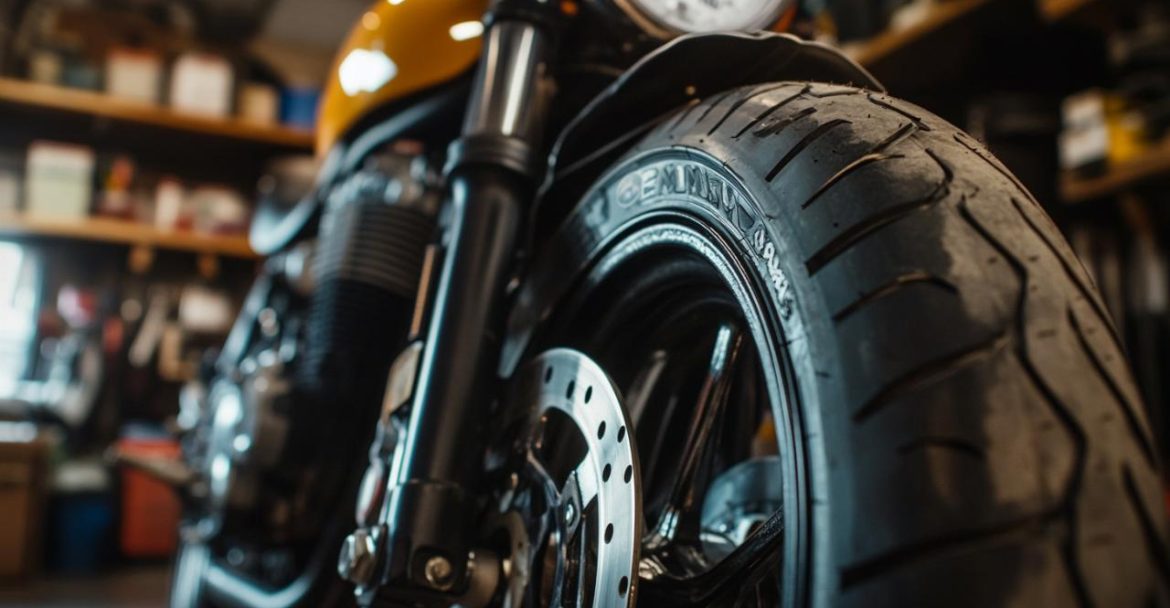
As the colder months approach and temperatures begin to plummet, ensuring that your MBK scooter is prepared for winter conditions becomes essential. One of the most crucial yet often overlooked aspects of seasonal maintenance is maintaining the correct tyre pressure. Proper inflation not only enhances safety and performance but also extends the lifespan of your tyres, helping you avoid costly repairs and potentially dangerous situations on the road. Understanding how ambient weather, particularly cold temperatures, affects tyre pressure will empower you to take proactive steps in keeping your scooter in optimal condition throughout the year.
Understanding Manufacturer Recommendations and Proper Tyre Inflation for Your MBK Scooter
Locating and following mbk's recommended tyre pressure specifications
Every MBK scooter comes with specific tyre pressure recommendations set by the manufacturer to ensure the best balance between safety, handling, and fuel efficiency. These specifications are typically expressed in bars or PSI and are tailored to the weight and design characteristics of your particular model. Finding these recommendations is straightforward. You can usually locate the correct tyre pressure information on a label affixed to the fuel filler door, on the door frames, or within the pages of your manufacturer's handbook. Consulting these sources ensures that you are inflating your tyres to the precise level required for optimal performance.
Adhering to these manufacturer guidelines is not merely a suggestion but a critical safety measure. Tyres inflated to the correct pressure provide better traction, reduce the risk of mechanical problems, and contribute to a smoother and more comfortable ride. Ignoring these recommendations can lead to uneven wear on your tyres, compromised handling, and an increased likelihood of blowouts, particularly when combined with the challenges posed by winter weather. Therefore, making it a habit to consult your vehicle's documentation or the relevant labels before any pressure adjustment is a fundamental step in responsible scooter ownership.
Using a Gauge to Verify and Inflate to the Correct Bar Rating
To achieve and maintain the correct tyre pressure, a reliable tyre gauge is an indispensable tool. This simple device allows you to measure the current pressure in your tyres accurately, enabling you to determine whether any adjustment is necessary. It is important to check tyre pressure when the tyres are cold, meaning the scooter has not been ridden for at least a few hours. This is because riding generates heat, which can temporarily increase pressure readings and lead to inaccurate assessments.
Once you have measured the pressure, compare the reading to the manufacturer's recommended bar rating. If the pressure is below the specified level, use a suitable pump to inflate the tyres until they reach the correct value. Conversely, if the pressure is too high, release a small amount of air until the desired level is achieved. Regularly verifying and adjusting tyre pressure, ideally every two weeks, ensures that your MBK scooter remains safe and performs efficiently, regardless of the season. This routine check is especially vital during winter when temperature fluctuations can cause significant changes in tyre inflation.
Temperature Effects on Tyre Pressure: Winter and Ambient Weather Considerations
How cold weather impacts tyre inflation and performance
Temperature plays a significant role in tyre pressure dynamics, with cold weather being particularly influential. As the ambient temperature drops, the air inside your tyres contracts, leading to a decrease in pressure. Research indicates that tyre pressure can drop by approximately 1 to 2 PSI, which equates to roughly 0.07 to 0.14 bar, for every 10 degrees Celsius decrease in temperature. This means that during the winter months, when temperatures frequently fall well below those experienced in summer, your tyres may lose a noticeable amount of pressure even if there are no leaks or damage.
This reduction in pressure can have several adverse effects on your scooter's performance and safety. Underinflated tyres increase the contact area with the road surface, which can lead to greater rolling resistance, higher fuel consumption, and accelerated tyre wear. More critically, low tyre pressure compromises braking efficiency, resulting in longer stopping distances that are particularly hazardous on icy or wet winter roads. Additionally, underinflated tyres are more susceptible to structural damage and blowouts, putting both rider and vehicle at risk. Understanding these temperature effects is crucial for anyone who relies on their MBK scooter throughout the year.
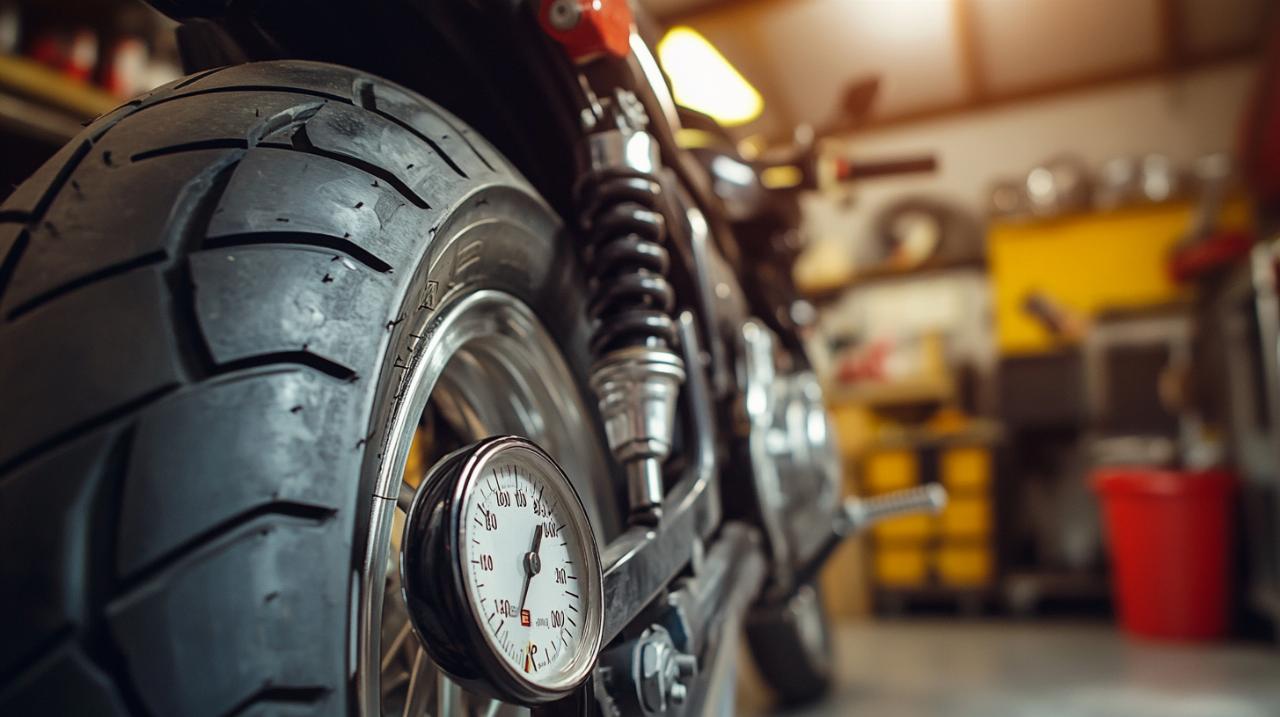
Adjusting tyre pressure for optimal winter riding conditions
Given the inevitable drop in tyre pressure during colder months, proactive adjustments are essential to maintain optimal riding conditions. Regularly checking your tyre pressure every two weeks, or even more frequently during periods of extreme cold, ensures that any loss of pressure is promptly identified and corrected. It is advisable to perform these checks when the tyres are cold, as this provides the most accurate baseline for comparison with the manufacturer's recommendations.
When adjusting tyre pressure for winter, some riders may consider slightly increasing the pressure to compensate for the anticipated drop caused by cold weather. However, it is important to remain within the manufacturer's specified range to avoid overinflation, which can reduce traction and increase the risk of tyre damage. In regions where temperatures consistently fall below 7 degrees Celsius, fitting your scooter with dedicated winter tyres can provide additional safety benefits. These tyres are designed to remain flexible in cold conditions, offering improved grip and handling. Combining the use of winter tyres with diligent pressure monitoring creates a comprehensive approach to winter maintenance that significantly enhances both safety and performance.
Safety Guidance: Regular Tyre Checks to Avoid Wear and Mechanical Problems
Checking tyre condition regularly to prevent uneven wear
Beyond maintaining the correct tyre pressure, regularly inspecting the overall condition of your tyres is a vital aspect of scooter safety. Uneven wear patterns can develop for a variety of reasons, including improper inflation, misalignment, or suspension issues. By conducting frequent visual inspections, you can identify signs of abnormal wear early, allowing you to address the underlying cause before it leads to more serious mechanical problems or compromises your safety on the road.
During your inspections, look for any irregularities such as bald spots, cracks, or bulges on the tyre surface. Pay particular attention to the tread depth, as insufficient tread reduces traction and increases the risk of skidding, especially on wet or icy surfaces common in winter. If you notice any unusual wear patterns or damage, it is advisable to consult a professional at a reputable service centre. Many retailers and service providers offer complimentary health checks, including comprehensive 25-point inspections, which can help detect issues that may not be immediately obvious to the untrained eye. Taking advantage of these services ensures that your MBK scooter remains in top condition and provides peace of mind during your daily travels.
Mechanical Issues Linked to Improper Tyre Pressure and Maintenance Tips
Improper tyre pressure, whether too high or too low, can lead to a range of mechanical issues that extend beyond the tyres themselves. Underinflated tyres increase the strain on the suspension and steering components, potentially causing premature wear and costly repairs. They also affect the accuracy of braking systems, leading to longer stopping distances and reduced control. Overinflated tyres, on the other hand, reduce the contact area with the road, which can result in a harsher ride and a greater risk of punctures or blowouts.
To mitigate these risks, it is essential to integrate tyre pressure checks into your regular maintenance routine. Alongside pressure monitoring, ensure that your tyres are rotated and balanced as recommended by your manufacturer. This promotes even wear and extends the overall lifespan of your tyres. Additionally, consider investing in a tyre pressure monitoring system if your scooter is not already equipped with one. Such systems provide real-time alerts if pressure drops below safe levels, allowing you to take corrective action before problems escalate. Combining these maintenance tips with a proactive approach to seasonal adjustments will keep your MBK scooter running smoothly and safely, no matter the weather conditions.