The 2010 European Rally Championship represented a pivotal chapter in the evolution of rally motorsport across the continent, bringing together a diverse array of competitors, teams, and challenging stages that tested both driver skill and mechanical endurance. This season showcased the essence of competitive racing through a carefully structured calendar that balanced the demands of gravel and tarmac surfaces, while teams like the Abarth Petronas Rally Team, Skoda Motorsport, and Subaru Poland Rally Team demonstrated their technical prowess across eleven thrilling rounds. The championship not only celebrated individual brilliance but also underscored the strategic importance of surface-specific expertise in rally events.
The 2010 erc championship calendar: exploring rally events across europe
The calendar for the 2010 season unfolded with meticulous planning, spanning from late April through the end of October and encompassing eleven distinct rally rounds across various European locations. The season commenced on 24 April with Luca Rossetti of the Abarth Petronas Rally Team claiming victory in the opening round, setting a competitive tone that would characterise the entire championship. Subsequent rounds followed at regular intervals, with the second event on 16 May once again seeing Rossetti triumph, this time representing Ateneo, demonstrating his adaptability and consistency in the early stages of the championship.
As the season progressed, the calendar introduced a variety of technical challenges and geographical diversity. The third round on 6 June brought a change in fortune, with Kajetan Kajetanowicz of the Subaru Poland Rally Team securing victory, highlighting the competitive depth within the championship. This was followed by Jan Kopecky's success on 26 June representing Motorsport, and then Rossetti's return to the top step on 25 July with ST Racing. The mid-season period from July through September featured a succession of different winners, including another triumph for Kopecky on 7 August with Skoda Motorsport, Bryan Bouffier's victory on 29 August, and Alberto Hevia's success on 11 September, each contributing to a narrative of intense competition and unpredictability.
Key rally locations: from french tarmac to swedish gravel stages
The geographical spread of the championship ensured that competitors encountered a wide spectrum of driving conditions and cultural backdrops, from the precision-demanding sealed roads of France to the rugged gravel stages characteristic of Nordic rallying. Each location presented unique challenges that required teams to adapt their setups and strategies accordingly. The variety in terrain not only tested the versatility of drivers but also placed significant demands on the engineering teams responsible for optimising vehicles such as the Ford Fiesta and various other models fielded throughout the season.
The championship's commitment to diverse locations reinforced its status as a truly European competition, fostering strong spectator attendance and engagement across multiple countries. Events held in regions with passionate motorsport followings attracted substantial crowds, with some rallies in Sweden drawing impressive numbers that underscored the sport's appeal. This geographical diversity also meant that teams had to manage logistics and technical preparations across varying climates and road conditions, adding an extra layer of complexity to the championship battle.
Surface Diversity: Analysing the Balance Between Gravel and Asphalt Events
One of the defining characteristics of the 2010 European Rally Championship was its deliberate balance between gravel and tarmac events, ensuring that the ultimate champion would need to demonstrate proficiency on both surface types. The Tarmac Championship events demanded precision and smooth driving techniques, where even minor errors could result in significant time losses. These sealed surface rallies required competitors to focus on maintaining momentum through technical sections while managing tyre wear and vehicle dynamics on asphalt.
In contrast, the gravel stages introduced a different set of demands, where drivers had to navigate loose surfaces that required careful throttle control and an understanding of how to manage traction and weight transfer. The unpredictability of gravel rallying, with its potential for surface degradation and changing grip levels, meant that adaptability became a crucial asset. This mix of surface types ensured that the championship remained a comprehensive test of rallying skill, rewarding those who could master both disciplines rather than specialists in a single domain.
Championship Contenders and Team Performances in the 2010 ERC Season
The 2010 season witnessed a compelling battle among several notable competitors, with Luca Rossetti emerging as a dominant force through his multiple victories across different teams. Rossetti's ability to secure wins with the Abarth Petronas Rally Team, Ateneo, and ST Racing demonstrated not only his driving talent but also his capacity to work effectively with different technical packages and team environments. His consistency in reaching podium finishes throughout the year positioned him as a central figure in the championship standings.
Jan Kopecky also established himself as a formidable competitor, securing victories in rounds four and six while representing Motorsport and Skoda Motorsport respectively. His performances highlighted the strength of Skoda's rally programme and the effectiveness of their technical approach to the championship. Other significant contributors to the competitive landscape included Kajetan Kajetanowicz, whose triumph in the third round with the Subaru Poland Rally Team showcased the Polish squad's capabilities, while Bryan Bouffier, Alberto Hevia, Yuriy Protasov, and Luca Betti each claimed victories in later rounds, ensuring that the championship remained unpredictable until its conclusion on 30 October when Rossetti once again stood atop the podium.
Notable Drivers and Their Machinery: Citroën and Ford Rally Vehicles
The machinery employed throughout the 2010 European Rally Championship reflected the diverse technical approaches adopted by different teams. While specific vehicle models varied across the grid, manufacturers such as Citroën and Ford played significant roles in providing competitive platforms for their respective teams. The Ford Fiesta emerged as a particularly notable choice, with its compact dimensions and agile handling characteristics making it well-suited to the varied demands of European rally stages.
Teams invested considerable resources in optimising their vehicles for specific surface types, with adjustments to suspension geometry, differential settings, and power delivery characteristics all playing crucial roles in competitive performance. The technical challenges faced by racing teams extended beyond pure mechanical preparation to encompass strategic decisions regarding tyre selection, service intervals, and risk management throughout each rally. This technical dimension added depth to the championship, rewarding teams that could combine engineering excellence with skilled execution on the stages.
Standings analysis: tracking driver performance throughout the championship
The championship standings evolved dramatically across the eleven-round calendar, with early leads subject to challenge as different drivers found form on their preferred surfaces and events. Luca Rossetti's four victories across the season provided him with a strong foundation in the points table, though the distribution of wins among multiple competitors meant that consistency across all events became as important as outright victories. The points structure rewarded regular podium finishes and stage performances, ensuring that drivers who demonstrated solid performance throughout the year could challenge those with occasional brilliant results.
The competitive nature of the standings reflected the depth of talent within the championship, with drivers from various national backgrounds and team structures all capable of challenging for rally wins. This diversity strengthened the championship's reputation as a genuine proving ground for emerging talent and established stars alike, creating a dynamic environment where technical challenges and driver skill combined to produce compelling motorsport competition. The final standings would ultimately reflect not just speed but also reliability, strategic acumen, and the ability to perform under pressure across varied conditions.
Route Characteristics and Surface Challenges in European Rally Competition
The route characteristics encountered throughout the 2010 European Rally Championship presented a comprehensive examination of rally driving skills, with stages designed to test every aspect of vehicle control and driver judgement. Stage lengths varied from short, intense bursts to longer endurance tests, each requiring different approaches to pace management and risk assessment. The variety in stage design ensured that rallies remained engaging for both competitors and spectators, with technical sections, high-speed stretches, and challenging junctions all featuring prominently.
Environmental factors also played significant roles in determining rally outcomes, with weather conditions capable of transforming stage characteristics dramatically. Rain could turn tarmac events into exercises in precision and nerve, while dry conditions on gravel stages could lead to surface degradation that created strategic dilemmas regarding road position and tyre selection. These variables added layers of complexity to rally competition, rewarding teams and drivers who could adapt quickly to changing circumstances and make informed decisions under pressure.
Gravel stage demands: technical requirements and driver adaptations
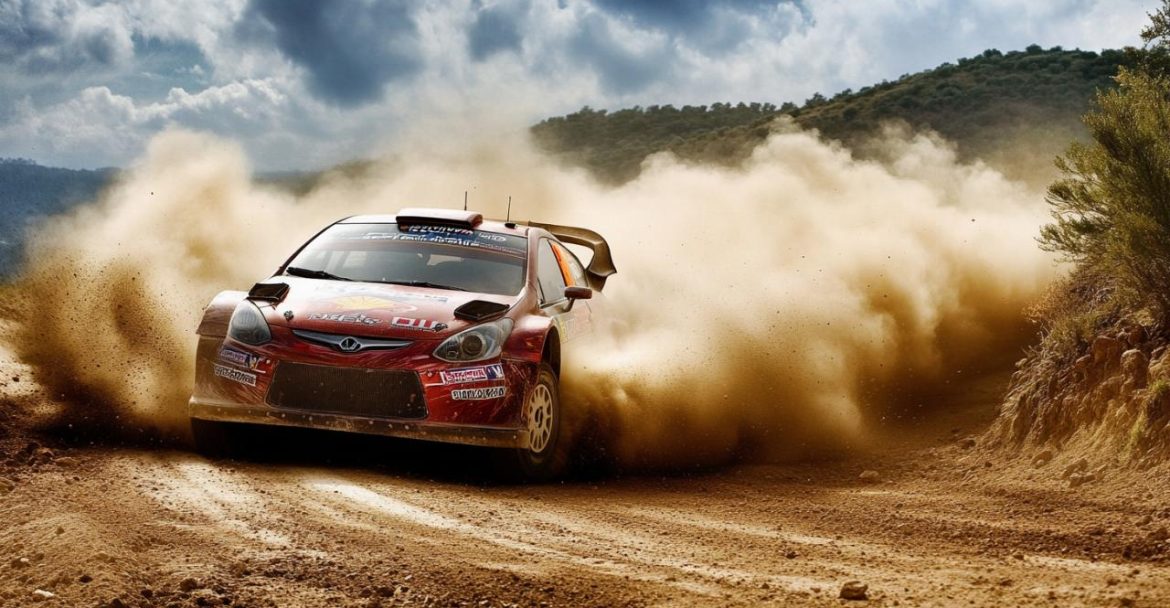
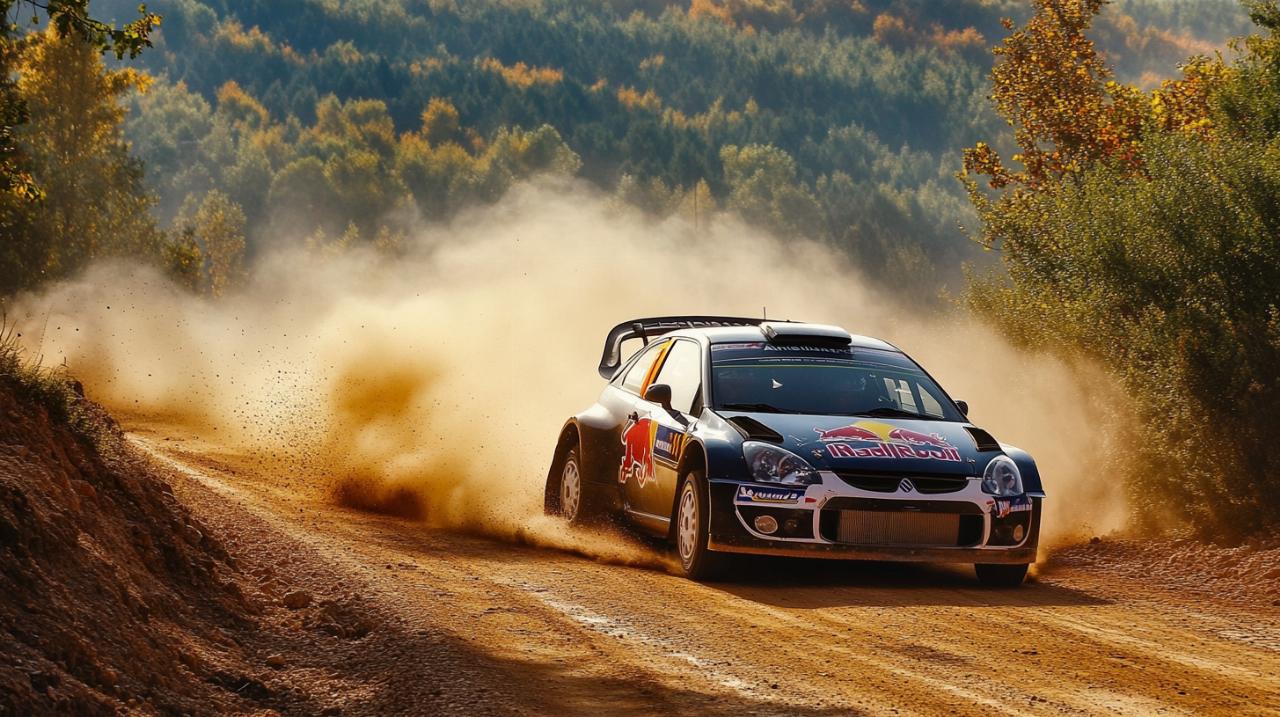
Gravel rallying in the 2010 European Rally Championship required a distinct set of technical skills and vehicle characteristics compared to tarmac events. The loose surface demanded aggressive driving techniques, with drivers needing to manage controlled slides and maintain momentum through corners while dealing with constantly changing grip levels. Vehicle setup for gravel stages typically involved softer suspension settings to improve traction and absorb impacts from uneven surfaces, while stronger skid plates and protective equipment became essential to guard against damage from stones and rough terrain.
Driver adaptations for gravel stages extended beyond mere technique to encompass mental approaches to pace notes and risk management. The ability to read changing surface conditions and adjust driving style accordingly separated the most successful competitors from those who struggled on loose surfaces. Gravel rallying also placed particular demands on co-drivers, whose accurate pace notes became crucial for maintaining competitive speed while avoiding the hazards that characterised these challenging stages. The combination of technical vehicle preparation and skilled execution made gravel events among the most demanding in the championship calendar.
Tarmac rally techniques: precision driving on sealed surface events
Tarmac events in the European Rally Championship demanded a markedly different approach, where precision and smoothness replaced the more aggressive techniques employed on gravel. Sealed surface rallying required drivers to maintain clean lines through corners, maximising grip from the asphalt while managing tyre temperatures and wear over the course of long stages. The margin for error on tarmac proved considerably smaller than on gravel, with any excursion onto roadside verges or contact with barriers likely to result in immediate time losses or mechanical damage.
Vehicle setup for tarmac rallies focused on maximising mechanical grip through stiffer suspension settings and optimised aerodynamic configurations where regulations permitted. Tyre selection became a critical strategic element, with teams needing to balance outright performance against durability and consistency across varying tarmac conditions. The precision demanded by sealed surface events meant that even small improvements in vehicle setup or driver technique could translate into significant competitive advantages, creating intense battles for podium positions where fractions of seconds separated competitors. This technical refinement and the spectacular speeds achieved on tarmac stages contributed to the enduring appeal of these events among motorsport enthusiasts and spectators throughout Europe.