
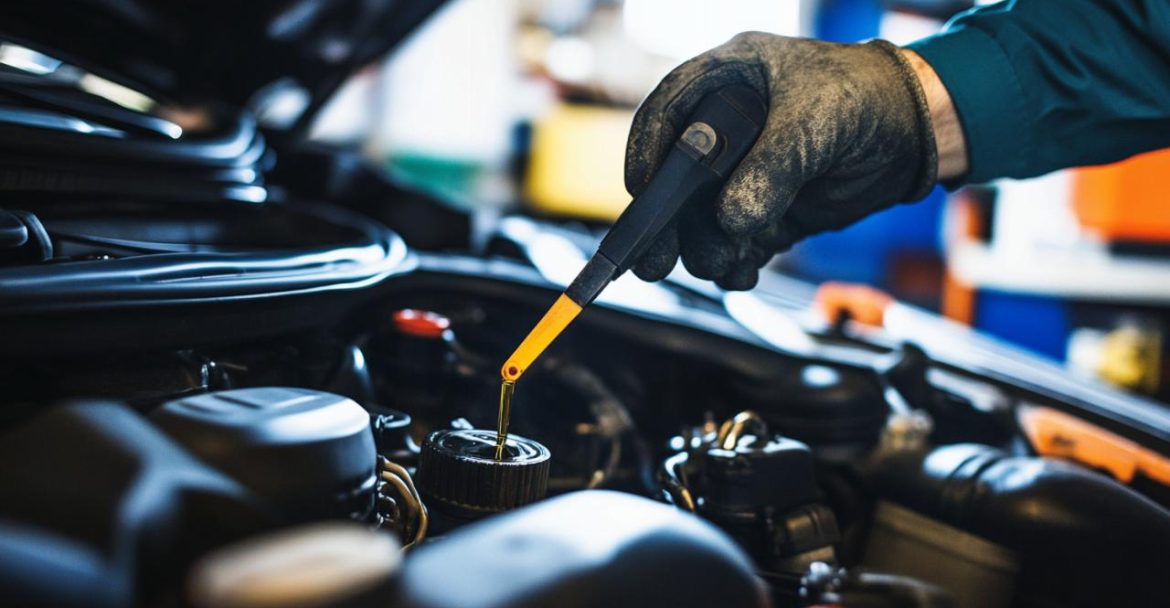
Every vehicle relies on a vital fluid that ensures its internal components function smoothly and efficiently. Engine oil serves as the lifeblood of any car, delivering protection and performance that directly influence the longevity of the motor. By committing to regular oil changes, drivers not only enhance the reliability of their vehicles but also safeguard against unexpected breakdowns and expensive repairs. Understanding the significance of this routine maintenance can transform the way one approaches vehicle care, making it an indispensable part of responsible ownership.
Understanding the Vital Role of Engine Oil in Vehicle Performance
How engine oil lubricates and protects moving components
At the heart of every engine lies a complex network of moving parts that require constant lubrication to operate without hindrance. Engine oil acts as a protective barrier, reducing friction between metal surfaces that would otherwise grind against each other. This lubrication is essential for maintaining the smooth operation of components such as pistons, crankshafts, and camshafts. Without the presence of high-quality oil, these intricate elements would experience rapid wear, leading to severe damage that could ultimately result in complete engine failure. The formulation of engine oil typically includes a blend of base oils, which may be mineral, synthetic, or a combination of both, alongside carefully selected additives. These additives enhance the oil's ability to clean, protect, and preserve the engine. Detergents within the oil work tirelessly to remove dust, dirt, and other contaminants that accumulate during combustion, ensuring that the internal environment remains as clean as possible. Anti-wear additives further bolster the oil's protective qualities, forming a thin film on metal surfaces to minimise direct contact and subsequent damage. This multifaceted approach to engine protection underscores the importance of using the correct type of oil tailored to the specific requirements of each vehicle.
The Process of Oil Degradation and Contamination Over Time
Despite its robust formulation, engine oil does not remain effective indefinitely. As the engine operates, the oil is subjected to extreme temperatures and pressures that gradually degrade its chemical structure. Heat causes the oil to break down, reducing its viscosity and diminishing its ability to provide adequate lubrication. Over time, this degradation leads to the formation of sludge and deposits that can clog vital passages and hinder the oil's flow throughout the engine. Contamination is another significant factor that compromises oil quality. During the combustion process, tiny particles of carbon, metal shavings, and other debris become suspended in the oil. These contaminants not only reduce the oil's effectiveness but also contribute to increased wear on engine components. As the oil filter becomes saturated with these impurities, its ability to trap new contaminants diminishes, allowing harmful particles to circulate freely. This cycle of degradation and contamination highlights the necessity of regular oil changes to maintain optimal engine health. By draining old, compromised oil and replacing it with fresh lubricant, drivers can restore the protective qualities essential for prolonged engine performance.
The Essential Steps and Benefits of Regular Oil Changes
Draining Old Oil and Replacing Filters for Optimal Engine Efficiency
The process of changing engine oil involves several critical steps designed to ensure the engine receives the cleanest and most effective lubrication possible. The first step is to drain the old, contaminated oil from the engine. This is typically done by removing the drain plug located at the bottom of the oil pan, allowing the used oil to flow out completely. Once the old oil has been drained, attention turns to the oil filter, a component that plays a crucial role in trapping contaminants and preventing them from circulating through the engine. Replacing the oil filter is an essential part of the oil change process. Over time, the filter becomes clogged with the very particles it is designed to capture, reducing its effectiveness and potentially allowing debris to re-enter the engine. By installing a new filter, drivers can ensure that the fresh oil remains as clean as possible, maximising its protective qualities. After the old oil and filter have been removed, fresh oil is poured into the engine, replenishing the system and restoring its ability to lubricate and cool effectively. This comprehensive approach to oil maintenance is fundamental to preserving engine efficiency and preventing the accumulation of harmful deposits.
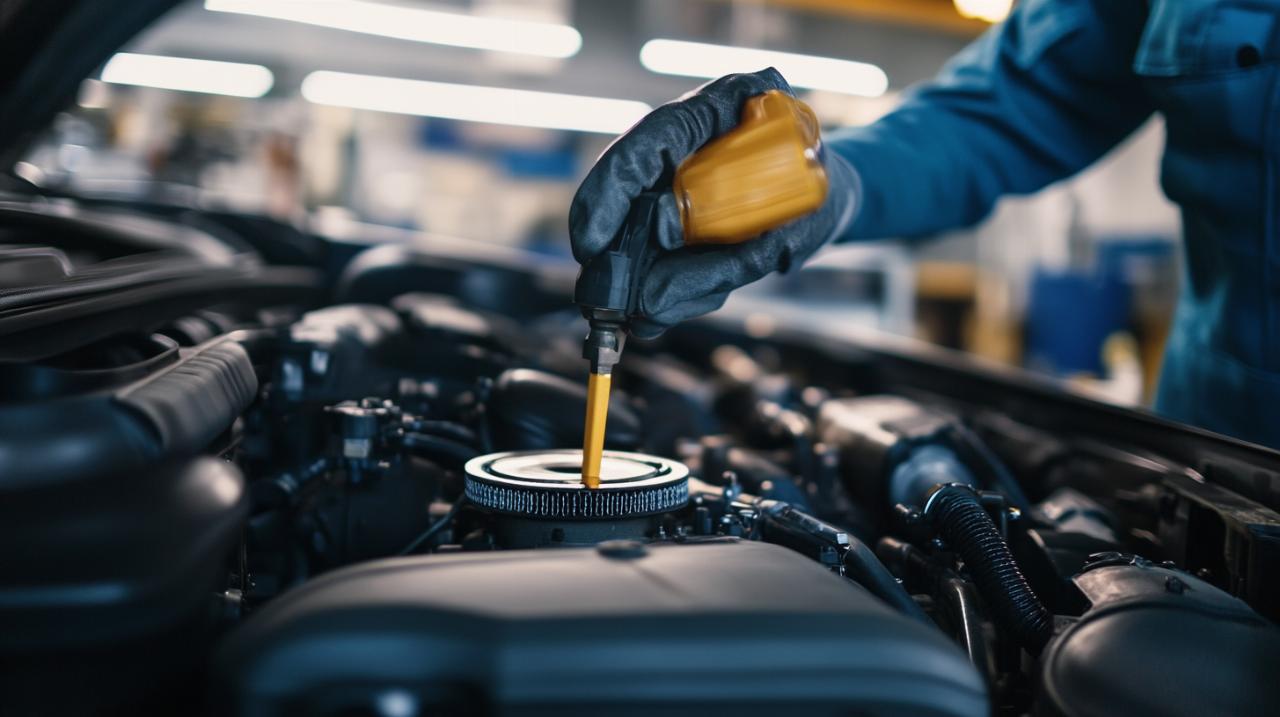
How Fresh Oil Improves Mileage and Fuel Economy in Petrol and Diesel Engines
One of the often-overlooked benefits of regular oil changes is the positive impact on fuel economy. Fresh oil reduces internal friction within the engine, allowing it to operate more smoothly and efficiently. When friction is minimised, the engine requires less energy to perform the same tasks, which translates directly into improved mileage. This effect is particularly noticeable in both petrol and diesel engines, where even marginal gains in efficiency can lead to significant savings over time. Modern vehicles, especially those using synthetic oil, can often operate for extended intervals between oil changes, sometimes ranging from five thousand to ten thousand miles. However, the specific interval depends on factors such as the type of oil used, the vehicle's age, and driving conditions. Regardless of these variables, maintaining a consistent oil change schedule ensures that the engine remains in peak condition, maximising both performance and fuel efficiency. Additionally, keeping detailed records of oil changes can be beneficial for warranty compliance and can provide reassurance to potential buyers if the vehicle is sold. This documentation serves as proof of diligent maintenance, enhancing the vehicle's resale value and appeal.
Preventing engine damage and managing temperature through proper oil maintenance
Avoiding overheating and low oil pressure complications
Temperature regulation is another critical function of engine oil. As the engine operates, it generates substantial heat that must be dissipated to prevent overheating. Oil absorbs this heat and carries it away from the hottest components, helping to maintain a stable operating temperature. When oil levels drop or the oil becomes degraded, its ability to perform this cooling function diminishes, increasing the risk of overheating. Overheating can lead to a cascade of problems, including warped cylinder heads, damaged gaskets, and even catastrophic engine failure. Low oil pressure is another serious complication that can arise from inadequate oil maintenance. When oil levels are insufficient or the oil is too thin due to degradation, the engine cannot maintain the pressure needed to deliver oil to all critical components. This condition can cause severe damage, as parts that rely on constant lubrication begin to grind against each other. Regular oil checks and timely changes are essential to avoid these scenarios. By ensuring that the oil level is adequate and that the oil itself is clean and effective, drivers can protect their engines from the risks associated with low oil pressure and overheating. This proactive approach is far more cost-effective than addressing the extensive repairs that result from neglecting oil maintenance.
Reducing Costly Repairs and Extending Engine Lifespan with Routine Servicing
The financial benefits of regular oil changes extend far beyond the immediate cost of the service itself. By maintaining clean, effective oil, drivers can prevent a wide range of mechanical issues that would otherwise require expensive repairs. Components such as pistons, bearings, and camshafts are particularly vulnerable to damage when lubrication is inadequate. Replacing these parts can be prohibitively expensive, often costing thousands of pounds, whereas a routine oil change represents a modest investment in comparison. Furthermore, vehicles that receive consistent maintenance are likely to enjoy a significantly longer lifespan. An engine that is well-lubricated and free from harmful contaminants operates more efficiently and experiences less wear over time. This longevity not only enhances the vehicle's reliability but also reduces the frequency with which major repairs or replacements are needed. For those who lease or plan to sell their vehicles, a well-documented history of oil changes can also boost the vehicle's market value, as it demonstrates a commitment to proper care. In addition to oil changes, other routine services such as tyre fitting, brake checks, and annual MOT inspections contribute to overall vehicle health. Establishments offering comprehensive automotive services provide convenient options for drivers to address multiple maintenance needs in a single visit. Whether seeking premium tyre brands such as Bridgestone, Continental, Goodyear, or Michelin, or requiring specialised services like air conditioning recharge and battery replacement, these centres ensure that every aspect of vehicle care is covered. By adopting a holistic approach to maintenance, drivers can enjoy peace of mind knowing that their vehicles are in optimal condition, ready to deliver reliable performance for years to come.