

Keeping your motor in tip-top condition is not merely about avoiding breakdowns on the motorway; it is about ensuring that every journey remains smooth, safe, and enjoyable. Regular attention to your vehicle translates into better performance, improved fuel economy, and a significantly longer lifespan. When you invest time in understanding and applying car maintenance tips, you are essentially safeguarding your investment and your peace of mind on the road.
Routine servicing and fluid management
One of the cornerstones of vehicle care revolves around maintaining the correct levels and quality of various fluids. These liquids are the lifeblood of your car, ensuring that every component functions as intended. Without proper attention, even the most robust engine can suffer premature wear, leading to costly repairs and diminished reliability.
Oil changes and engine health
Engine oil plays a pivotal role in lubricating moving parts, reducing friction, and dissipating heat. Over time, oil degrades and accumulates contaminants, which can compromise engine performance. Checking your oil monthly is a simple yet effective habit. Look for clarity and ensure the quantity remains within the recommended range. If the oil appears dark or gritty, it is time for a change. Adhering to your vehicle's service schedule, which typically recommends a minor service annually and a major service every two to three years or every ten thousand miles, will help maintain optimal engine health. Fresh oil not only protects internal components but also contributes to better fuel efficiency and smoother operation.
Coolant, brake fluid, and other essential liquids
Beyond engine oil, your car relies on several other fluids to operate safely. Coolant prevents your engine from overheating, especially during warmer months or long drives. Checking coolant levels every few months and topping up with the correct antifreeze mixture ensures that your engine remains at a stable temperature. Brake fluid is equally critical, as it transmits the force from your brake pedal to the braking system. Low or contaminated brake fluid can lead to reduced braking performance, posing a serious safety risk. Additionally, windscreen washer fluid should never be overlooked. Avoid using tap water, as it can lead to mineral deposits and freezing in colder weather. Instead, use a proper screenwash solution that also helps prevent corrosion within the washer system. Regularly topping up these fluids, along with periodic checks of power steering fluid and transmission fluid, forms a comprehensive approach to fluid management that supports every aspect of your vehicle's functionality.
Tyres, brakes, and safety inspections
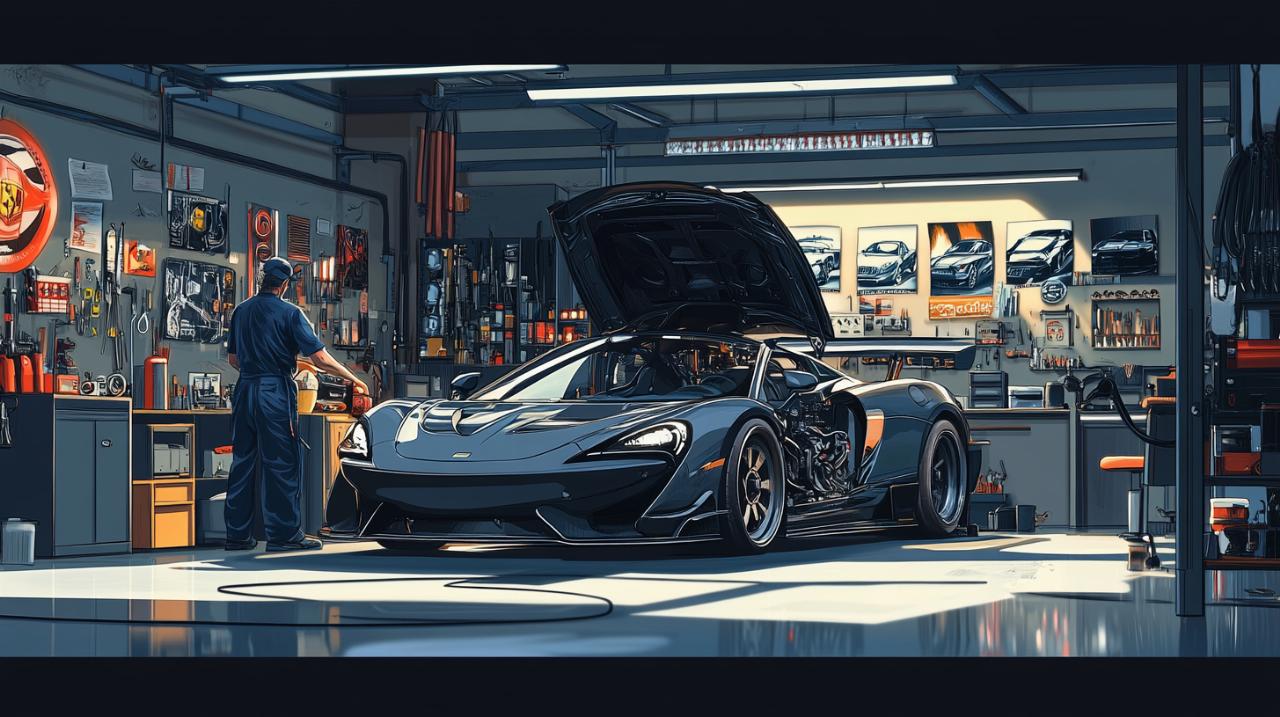
Your car's contact with the road and its ability to stop effectively are both fundamentally dependent on the condition of your tyres and brakes. Neglecting these components not only affects performance but also compromises your safety and that of other road users. A proactive approach to monitoring and maintaining these elements is essential for any responsible motorist.
Tyre pressure and tread depth monitoring
Tyre pressure has a direct impact on handling, fuel consumption, and tyre longevity. Checking tyre pressure weekly is a straightforward task that can prevent uneven wear and improve fuel economy. Underinflated tyres increase rolling resistance, forcing the engine to work harder and consume more fuel, while overinflated tyres can reduce grip and make the ride uncomfortable. Equally important is monitoring tread depth. The legal minimum tread depth in the United Kingdom is one point six millimetres, but for optimal grip, especially in wet conditions, it is advisable to replace tyres well before they reach this limit. Rotating your tyres every five thousand to eight thousand miles helps ensure even wear across all four corners, extending their lifespan and maintaining balanced handling. Additionally, proper wheel alignment and balancing prevent vibrations and uneven tread wear, contributing to a smoother and safer driving experience.
Brake pads and regular mot checks
Brakes are perhaps the most critical safety feature on any vehicle. Brake pads wear down gradually, and monitoring their condition is vital to ensure they provide adequate stopping power. Squealing or grinding noises when braking are clear indicators that the pads may need replacement. It is also important to use your brakes to slow down rather than relying on downshifting through the gears, as this reduces unnecessary strain on the transmission and clutch. Regular MOT checks, mandated annually for vehicles over three years old, provide a comprehensive assessment of your car's roadworthiness, including brakes, lights, suspension, and emissions. These inspections are an opportunity to identify potential issues before they become serious problems. In addition to the MOT, paying attention to warning lights on your dashboard and investigating them immediately can prevent minor faults from escalating into major failures. By combining routine self-checks with professional inspections, you create a robust safety net that keeps your vehicle reliable and compliant with legal standards.
Maintaining your vehicle is not a burdensome chore but rather a series of simple, regular tasks that collectively ensure your car remains dependable and efficient. From checking fluid levels and replacing air filters every few years to driving smoothly and avoiding potholes, each action contributes to the overall health of your motor. Seasonal adjustments, such as warming up older engines in winter and ensuring air conditioning is used regularly to prevent leaks, further enhance longevity. Keeping your car clean, both inside and out, prevents corrosion and preserves its appearance, while removing unnecessary weight from the boot improves fuel economy. Rust-proofing is particularly important for older vehicles, and using quality parts rather than cheap alternatives ensures components last longer and perform better. Avoiding modifications that can reduce reliability, refraining from resting your foot on the clutch pedal, and not running the fuel tank too low all support the mechanical integrity of your vehicle. By integrating these car maintenance tips into your routine, you not only extend the life of your motor but also enjoy a safer, more economical, and more pleasant driving experience. Regular care truly means that if you look after your car, it will look after you in return.