
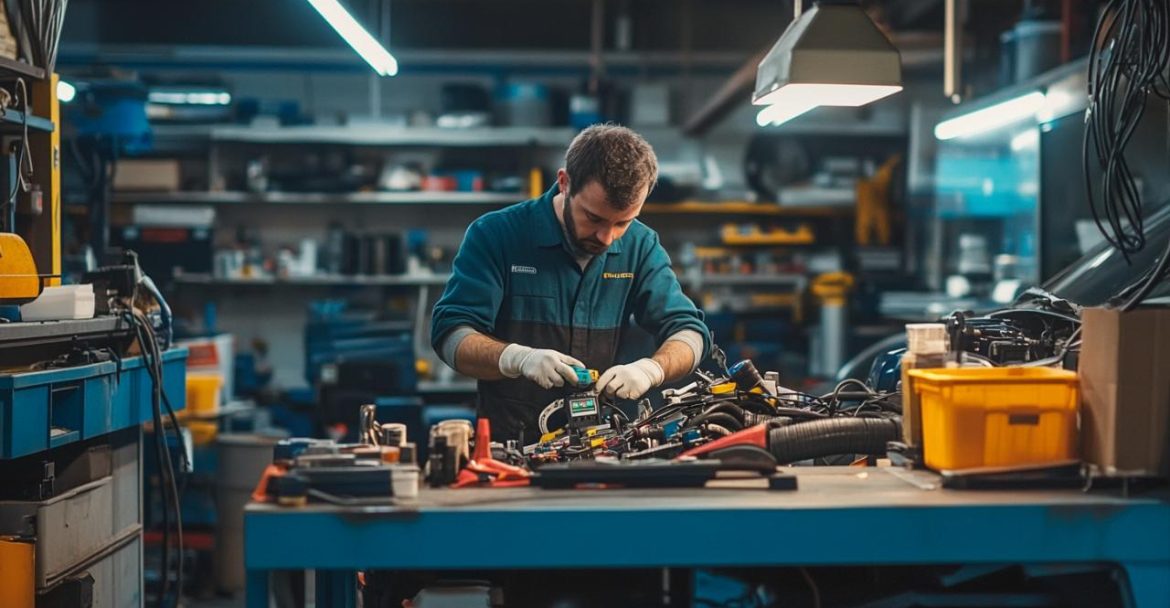
Modern vehicles rely heavily on intricate electrical networks to ensure every component functions seamlessly, from ignition to entertainment systems. Understanding these systems and recognising when issues arise can save motorists both time and expense, while also safeguarding road safety. The contemporary motorcar is no longer a purely mechanical entity; it has evolved into a sophisticated blend of traditional engineering and advanced electronics, requiring a fresh approach to maintenance and troubleshooting.
Understanding your vehicle's electrical system and common faults
The Critical Role of Electrical Components in Modern Motoring
The automotive electrical system comprises several vital elements that work in harmony to keep your vehicle operational. At its heart lies the battery, which stores energy and powers the starter motor during ignition. The alternator then takes over once the engine is running, recharging the battery and supplying electricity to headlamps, infotainment systems, and an array of sensors. The starter motor itself initiates the combustion process, making it indispensable for getting underway each morning. Together, these components form a charging system that prevents battery drain and ensures consistent performance throughout your journey.
Beyond the core trio of battery, alternator, and starter motor, modern cars feature an extensive network of fuses, relays, and wiring that distribute power to every corner of the vehicle. Lighting systems and signalling indicators depend on stable electrical flow to function correctly, while increasingly complex onboard computers manage everything from fuel injection to climate control. According to insights shared on the ergom car blog, regular attention to these electrical accessories can significantly extend their lifespan and improve overall vehicle functionality. Ground connections are equally crucial, as poor earthing can lead to erratic behaviour and intermittent faults that prove frustrating to diagnose.
Identifying frequent electrical problems in your car
Electrical gremlins manifest in various ways, often catching drivers off guard. Dimming headlights are among the most common symptoms, typically indicating an alternator struggling to maintain adequate voltage or a battery nearing the end of its service life. Blown fuses can disable critical systems such as power windows, central locking, or even the fuel pump, leaving you stranded or inconvenienced. Malfunctioning components might include erratic dashboard displays, unresponsive power seats, or air conditioning units that refuse to cool effectively, all pointing towards underlying electrical issues that demand prompt attention.
Worn or frayed wiring harnesses are another frequent culprit, especially in older vehicles or those exposed to harsh weather conditions. Corrosion on battery terminals can impede current flow, resulting in sluggish starting or complete failure to turn over. The drive belt, which drives the alternator, typically has a lifespan ranging from forty thousand to seventy thousand kilometres, and its deterioration can lead to charging system failures. Inspecting fuses and relays regularly helps avoid situations where essential circuits become disabled, potentially compromising safety features such as anti-lock braking systems or airbag sensors.
Practical troubleshooting and professional maintenance solutions
Routine battery and wiring inspection techniques
Preventive maintenance is the cornerstone of reliable motoring, and a few straightforward checks can avert many common electrical problems. Begin by examining the battery terminals for any signs of white or blue-green corrosion, which can be gently cleaned using a wire brush and a solution of bicarbonate of soda and water. Ensure all connections are tight and secure, as loose terminals are a frequent cause of intermittent starting issues. Checking the battery's age and voltage with a multimeter provides valuable insight into whether replacement is due, typically after three to five years of service depending on usage and climate.
Inspecting the wiring throughout the engine bay and cabin is equally important. Look for signs of wear, chafing, or damage caused by heat or rodents, which can compromise insulation and lead to short circuits. Verify that lighting systems, including headlamps, brake lights, and indicators, are functioning correctly to maintain visibility and communicate intentions to other road users. Regular checks on the alternator's output and the condition of the drive belt help ensure the charging system remains robust, preventing unexpected battery failures during journeys.
When to seek expert electrical repair services
While basic maintenance tasks are well within the reach of confident home mechanics, more complex electrical issues require the expertise and diagnostic equipment found in professional garages. Advanced automotive diagnostics can pinpoint faults in intricate electronic control units, sensor networks, and wiring looms that are impossible to trace without specialised tools. For instance, intermittent faults that only occur under specific conditions can be particularly elusive, necessitating the methodical approach and experience of a trained technician.
Family-owned establishments with decades of experience often provide a trustworthy alternative to larger chains, offering personalised service and a deep understanding of both classic and contemporary vehicles. These workshops stay abreast of the latest automotive trends and digital transformation within the industry, ensuring they can handle everything from traditional ignition systems to cutting-edge electric and hybrid powertrains. Services such as brake maintenance, oil changes, and tyre fitting are frequently complemented by comprehensive electrical troubleshooting, engine diagnostics, and air conditioning repair, providing a one-stop solution for all your motoring needs. Operating hours that accommodate working schedules, such as weekday availability from half past seven in the morning until five in the afternoon, further enhance convenience for busy motorists.
Ultimately, maintaining your vehicle's electrical system is an ongoing commitment that blends routine inspections with timely professional intervention. By understanding the role of key components, recognising the warning signs of common faults, and knowing when to call upon expert assistance, you can enjoy safer, more reliable motoring and extend the life of your cherished vehicle. Embracing energy efficiency and staying informed about innovations in automotive technology will also ensure your car remains fit for purpose in an era of rapid change.