
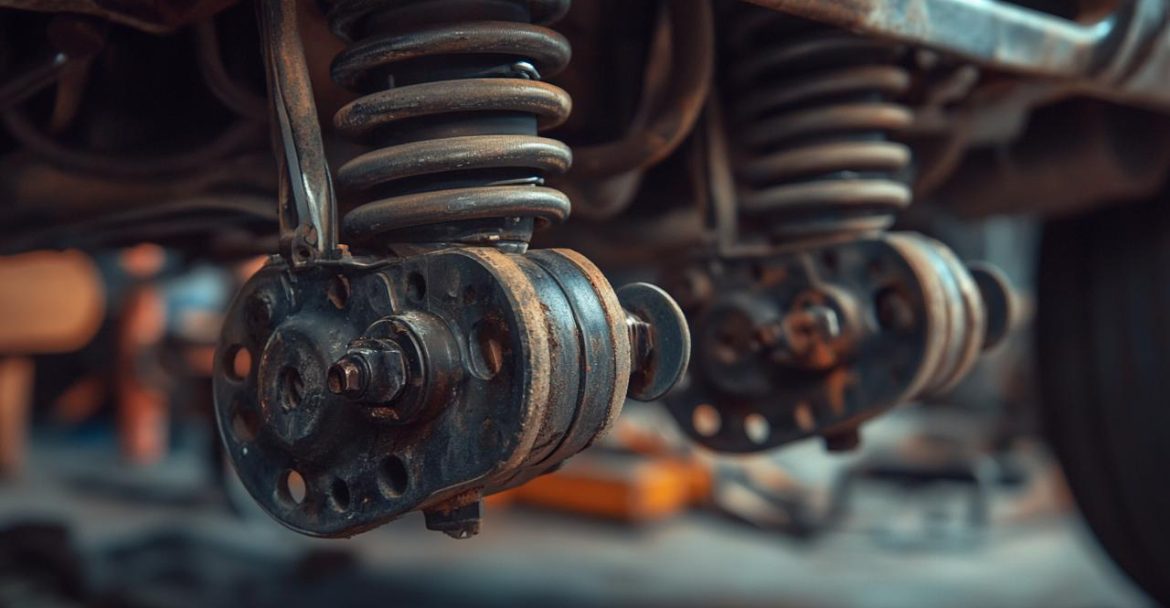
Understanding the condition of your vehicle's suspension system is crucial for maintaining both safety and comfort on the road. Among the many components that contribute to a smooth ride, shock absorber mounts play a pivotal role in ensuring that your suspension operates as intended. These often-overlooked elements can degrade over time, leading to a cascade of issues that affect everything from handling to tyre longevity. Recognising the warning signs early and appreciating the influence of material quality can help drivers make informed decisions about maintenance and replacement.
Recognising deterioration in your suspension components
Common symptoms of failing shock absorber mounts
When shock absorber mounts begin to fail, the vehicle often communicates its distress through a variety of symptoms. One of the earliest indicators is the emergence of unusual noises, such as clunking or knocking sounds, particularly when traversing uneven surfaces or speed humps. These auditory cues suggest that the rubber or elastomeric elements within the mount have deteriorated, allowing metal components to make contact where they should not. Another telltale sign is excessive vibration transmitted through the chassis and into the steering wheel, even when driving on relatively smooth roads. This occurs because the mount can no longer effectively dampen the oscillations generated by the suspension system.
Visual inspection can also reveal critical clues. Cracked, sagging, or deformed rubber bushes are clear evidence that the mount has reached the end of its serviceable life. Corrosion and pitting on metal parts of the assembly further compromise structural integrity, while heat degradation may manifest as hardened or brittle rubber. Drivers may also notice that their vehicle's steering feels either unusually loose or unexpectedly stiff, both of which can stem from mounting issues. Poor wheel alignment and uneven tyre wear, including patterns such as cupping or scalloping, are additional consequences that arise when mounts no longer hold suspension components in their correct positions. In some cases, fluid leaking from the shock absorber itself may be mistaken for a mount problem, but both issues warrant immediate attention.
How worn cups affect vehicle handling and safety
The implications of worn shock absorber mounts extend far beyond mere discomfort. When these components fail, the entire suspension system struggles to perform its fundamental duties. One of the most dangerous outcomes is the phenomenon known as nose dive, which occurs during braking. As the front end of the vehicle dips excessively, stopping distance increases, potentially turning a routine stop into a hazardous situation. Similarly, acceleration can cause rear squat, where the rear suspension compresses unduly while the front end lifts, disrupting weight distribution and reducing traction.
Cornering becomes a challenge as well, with the vehicle exhibiting pronounced rolling or swaying motions. This instability forces drivers to apply more steering input than usual, which can be particularly unsettling in emergency manoeuvres. The knock-on effect of these handling deficiencies is a reduction in braking performance, as the tyres are unable to maintain optimal contact with the road surface. Over time, the increased stress on other suspension and steering components accelerates wear throughout the system, compounding repair costs. Regular inspection, ideally every twelve thousand miles, is therefore essential to catch deterioration before it escalates into a serious safety concern or results in a failed MOT inspection.
Material Composition and Its Influence on Mount Longevity
Rubber versus polyurethane: understanding your options
The choice of material for shock absorber mounts has a profound impact on their durability and performance characteristics. Traditional rubber mounts have long been favoured for their excellent vibration-damping properties and relative affordability. Rubber naturally absorbs shocks and isolates vibrations, contributing to a quieter and more comfortable driving experience. However, rubber is susceptible to degradation from heat, ozone, and prolonged exposure to the elements. Over time, it can harden, crack, or lose its elasticity, necessitating replacement.
Polyurethane mounts, by contrast, offer superior resistance to wear and environmental stressors. This synthetic material maintains its structural integrity over a longer period, even under demanding conditions. Polyurethane tends to be firmer than rubber, which can translate to improved handling and more precise steering feedback. The trade-off is that this increased rigidity may allow more vibration and noise to travel through the suspension, potentially reducing overall ride comfort. For enthusiasts seeking enhanced performance, polyurethane represents a compelling option, whereas those prioritising a plush, quiet ride may prefer the traditional rubber alternative.
The Role of Quality Materials in Preventing Premature Failure
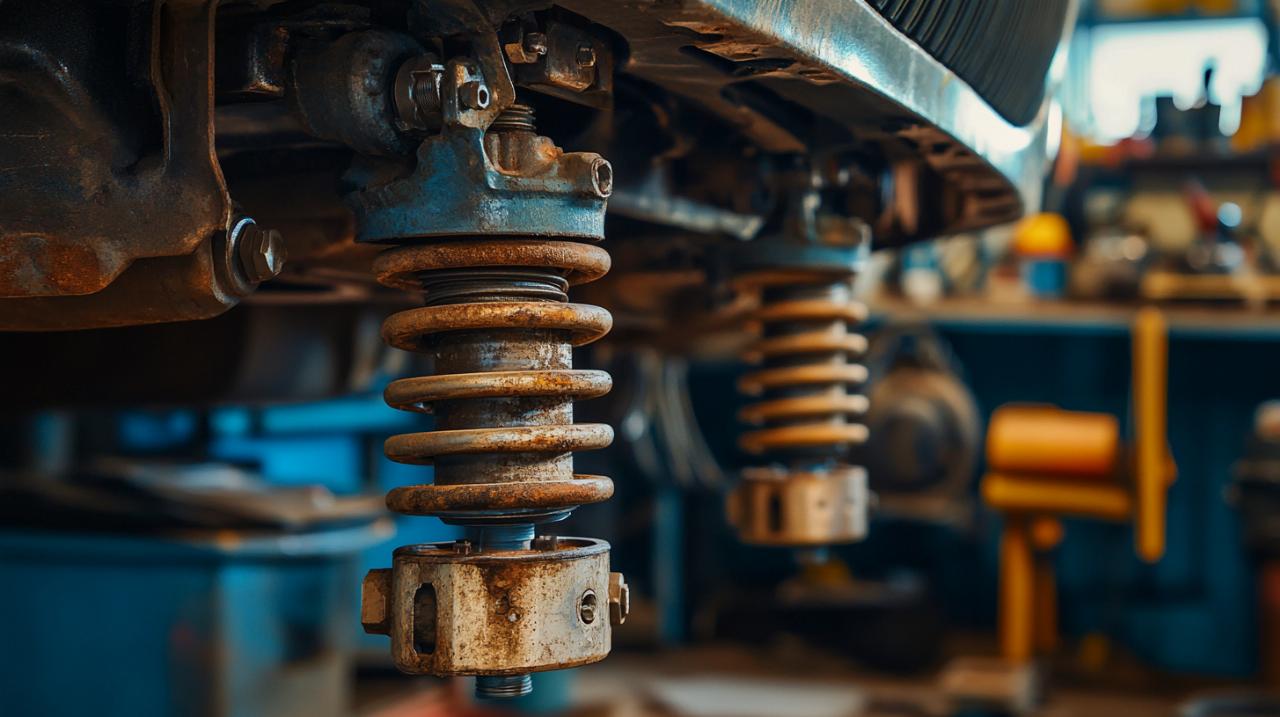
Investing in high-quality mounting components is not merely a matter of extending service intervals; it is a critical factor in maintaining vehicle safety and performance. Premium mounts are manufactured to tighter tolerances and use advanced elastomeric formulations that resist the common causes of degradation. These materials are engineered to withstand the constant movement inherent in suspension operation. Consider that over a distance of fifty thousand miles, a shock absorber mount may undergo as many as seventy-five million cycles of compression and extension. Only materials of superior composition can endure such relentless mechanical stress without significant deterioration.
Choosing the right components also involves considering the specific demands of your vehicle and driving habits. Vehicles subjected to heavy loads, frequent towing, or spirited driving will benefit from mounts designed to cope with elevated stress levels. Conversely, incorrect installation or the use of substandard parts can lead to misalignment, premature wear, and even catastrophic failure. Replacing suspension mounts in pairs ensures balanced performance across the axle, preventing uneven handling characteristics. By prioritising quality and proper fitment, drivers can avoid the cascading costs associated with neglected suspension maintenance.
Maintaining your shock absorber mounts for optimal performance
Inspection Intervals and What to Look For
A proactive approach to maintenance begins with regular, thorough inspections of your suspension system. Experts recommend examining shock absorber mounts at intervals of approximately twelve thousand miles, although vehicles operating in harsh conditions may require more frequent checks. During an inspection, mechanics should look for visible signs of wear such as cracks, tears, or excessive deformation in the rubber or polyurethane material. Any evidence of corrosion on metal components, or the presence of fluid leaks from the shock absorber, should be addressed without delay.
Listening for unusual sounds during test drives can also aid in diagnosis. Clunking or knocking noises over bumps, or vibrations felt through the steering wheel, are strong indicators that the mounts may be compromised. A professional mechanic will assess not only the mounts themselves but also the overall alignment and condition of related suspension and steering parts. This holistic approach ensures that any underlying issues are identified and rectified before they escalate. Documenting inspection findings and maintaining a service history can help track the longevity of components and inform future purchasing decisions.
When to Replace Your Mounts and Choosing the Right Components
Determining the optimal time for replacement hinges on both the condition of the mounts and the performance of the vehicle. If an inspection reveals significant wear, deformation, or damage, replacement should be scheduled promptly. Additionally, it is best practice to renew shock absorber mounts whenever the shocks or struts themselves are being replaced. This strategy prevents the installation of new dampers onto worn mounts, which would compromise the benefits of the new components and accelerate their deterioration.
Selecting the appropriate replacement parts requires careful consideration of material properties, manufacturer reputation, and compatibility with your vehicle's specifications. Consulting with a professional mechanic or referring to manufacturer guidelines can help ensure that the chosen mounts meet the necessary performance and safety standards. For those seeking enhanced handling, polyurethane options may be worth exploring, while drivers prioritising comfort might opt for high-quality rubber mounts. Whichever material is selected, ensuring correct installation and alignment is paramount to achieving the desired results. By adhering to these principles, vehicle owners can preserve the integrity of their suspension system, safeguard their safety, and enjoy a more refined driving experience for many miles to come.