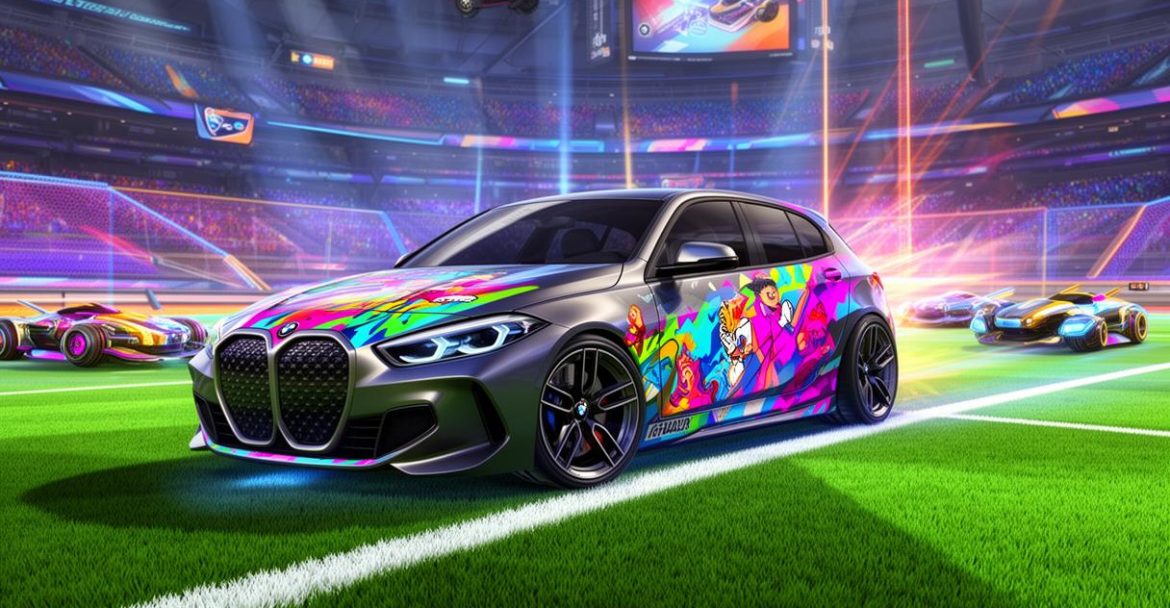
The automotive world and digital gaming are colliding in unprecedented fashion as BMW prepares to introduce its latest Series 1 model directly into the virtual arena of Rocket League. This groundbreaking collaboration marks a new chapter in how car manufacturers engage with global audiences, blending high-octane vehicular football with cutting-edge automotive design. Rather than relying solely on traditional launch events, BMW has chosen to harness the creativity of millions of players worldwide through an innovative design competition that promises to reshape the relationship between automotive brands and gaming communities.
- BMW is launching its new Series 1 model within the popular video game Rocket League as part of a strategic shift toward digital engagement.
- The collaboration features the Skyscraper Grey metallic version of the car, integrated with authentic design details that reflect the real-world Series 1.
- BMW hosted a global design competition where players created custom decals for the vehicle, fostering a bridge between professional automotive design and community creativity.
- The competition awarded cash prizes to top designers, with the winning creation set to be officially integrated into Rocket League via a mid-season game update.
- This initiative allows BMW to reach younger audiences and gain valuable insights into future styling preferences through active participation from the gaming community.
- The partnership highlights BMW's intent to treat gaming platforms as legitimate, high-impact venues for major product launches alongside traditional marketing channels.
Bmw series 1 takes the pitch: a revolutionary gaming collaboration
The historic partnership between automotive excellence and virtual football
BMW's decision to debut the BMW 1 Series within Rocket League during Season 16 represents far more than a simple marketing exercise. The partnership recognises that modern car enthusiasts are increasingly likely to spend their leisure time navigating virtual arenas as they are browsing showrooms. By integrating the Skyscraper Grey metallic edition of the BMW 1 Series into the game, the Bavarian manufacturer creates an immersive experience where players can engage with the vehicle's design language whilst competing in high-stakes matches. This move acknowledges the cultural significance of gaming platforms, treating them as legitimate spaces for product launches rather than mere advertising channels.
The integration goes beyond superficial branding. Players will discover exclusive BMW decals and liveries that reflect the authentic design philosophy of the physical vehicle. This attention to detail ensures that the virtual representation maintains the sporty aesthetic and advanced digitalisation that characterises the real-world Series 1. BMW Operating System 9 and the sophisticated iDrive display featured in the actual car find their counterparts in meticulously crafted in-game customisation options, creating a bridge between digital and physical automotive experiences.
Why Rocket League Proved the Perfect Platform for BMW's Digital Launch
Rocket League's unique position in the gaming landscape made it an ideal partner for this ambitious project. The game combines competitive intensity with a passionate community that values both performance and aesthetics. Vehicle customisation sits at the heart of the Rocket League experience, with players spending considerable time perfecting their car's appearance to reflect personal style. This culture of automotive personalisation aligns perfectly with BMW's design heritage, where individual expression through colour schemes, accessories, and styling details has always been paramount.
The timing of this collaboration coincides with broader industry trends. Throughout 2023, the BMW Group demonstrated remarkable commercial success, delivering over 2.55 million passenger vehicles and 209,000 motorcycles to customers worldwide. Revenues reached €155.5 billion with profits before tax of €17.1 billion, supported by a workforce of 154,950 employees as of December that year. These figures underscore BMW's position as a manufacturer with resources to experiment with innovative marketing strategies whilst maintaining traditional production excellence. By channelling this strength into gaming platforms, BMW positions itself at the forefront of digital engagement.
Unleashing creativity: the bmw series 1 design competition
How Players Can Craft Bespoke Designs Inspired by the Series 1
The centrepiece of this collaboration is an ambitious design contest that ran from the ninth to the thirtieth of August 2024. Participants were invited to download official templates and create original decal designs that would capture the essence of the BMW 1 Series whilst adding their own creative vision. Submissions flowed through Instagram and X, accompanied by specific hashtags that ensured entries reached the judging panel. This democratic approach to design democratises the creative process, allowing bedroom artists and professional designers alike to contribute their interpretations of what a BMW should look like in the virtual realm.
The competition structure rewards excellence with substantial prizes. First place commands $3,000, second place receives $2,000, and third place earns $1,000. These figures demonstrate BMW's commitment to recognising genuine artistic talent rather than treating the competition as token gesture. Winners were scheduled to be announced during a live-streamed award show in mid-October, creating a celebration of community creativity that mirrors traditional automotive design unveilings. The victorious design would then be integrated into Rocket League through a mid-Season patch, ensuring that one player's vision would become a permanent fixture within the game's ecosystem.
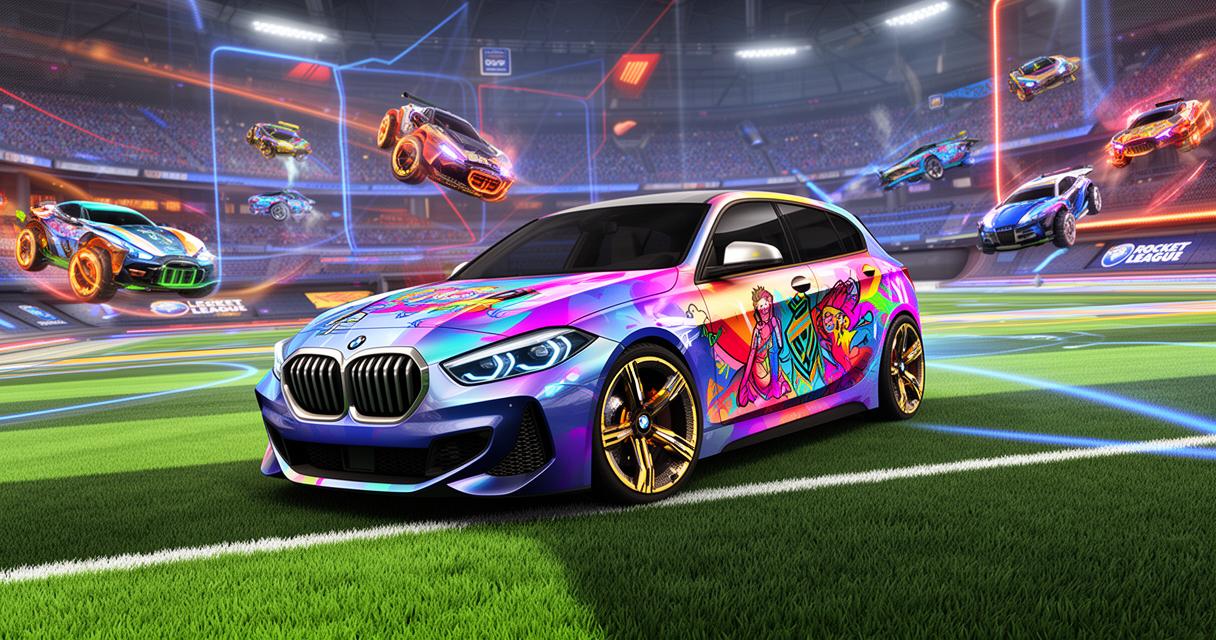
Merging petrolhead passion with gaming innovation through community design
What makes this competition particularly significant is how it blurs the boundaries between professional automotive design and grassroots creativity. Traditional car design has always been a closed process, with manufacturers carefully controlling every aspect of their vehicles' appearance. By opening this process to the gaming community, BMW acknowledges that valuable design thinking exists beyond corporate studios. The competition format encourages participants to engage deeply with the Series 1's design language, understanding its proportions, character lines, and aesthetic philosophy before translating these elements into virtual decals.
This approach also serves as informal market research. By observing which design directions resonate most strongly with younger audiences, BMW gains insights into future styling preferences. The submitted designs reveal what colours, patterns, and visual motifs appeal to demographics that may become customers within the next decade. Meanwhile, participants gain appreciation for the complexity of automotive design, developing an emotional connection with the BMW brand through the creative process itself. This symbiotic relationship benefits both manufacturer and community, creating engagement that extends far beyond passive advertising.
The future of automotive marketing: when car manufacturers meet gaming platforms
Bmw's strategic move reflects industry-wide digital transformation
The Rocket League partnership exemplifies a broader strategic shift within the automotive industry. As younger generations spend increasing portions of their time in digital environments, manufacturers must establish presence where potential customers already congregate. BMW's integration of the AirConsole platform into the physical Series 1 vehicle further reinforces this philosophy. In-car entertainment now includes gaming capabilities through the iDrive display, transforming the automobile into an entertainment hub during charging stops or waiting periods. This holistic approach treats digital experiences as integral to vehicle ownership rather than afterthoughts.
The success of this strategy depends on authenticity. Gaming communities quickly detect cynical marketing exercises that treat platforms as mere advertising billboards. BMW's competition avoids this trap by offering genuine creative opportunities, substantial prizes, and meaningful integration of winning designs. The effort invested in creating accurate vehicle models, developing exclusive customisation options, and hosting a live award show demonstrates respect for the gaming medium. This authentic engagement positions BMW as a manufacturer that understands contemporary culture rather than one desperately attempting to appear relevant.
What this competition reveals about tomorrow's automobile design philosophy
Looking beyond immediate marketing benefits, the BMW Series 1 Rocket League collaboration hints at evolving design philosophies within the automotive sector. As vehicles become increasingly connected and software-defined, the distinction between physical and digital design diminishes. Future automobiles may feature customisation options inspired by gaming aesthetics, with owners downloading design packages in much the same way Rocket League players select decals. The competition's emphasis on community-generated content suggests a future where automotive personalisation becomes collaborative, with manufacturers curating user-generated designs alongside traditional options.
This evolution also reflects changing consumer relationships with automobiles. Vehicle ownership increasingly emphasises experience over mere transportation, with design playing a crucial role in emotional satisfaction. By treating its Rocket League debut as seriously as a physical motor show reveal, BMW signals that virtual experiences hold equivalent importance to traditional automotive spaces. The upcoming generation of drivers will have experienced BMW through gaming long before visiting dealerships, making these digital first impressions critically important. The Series 1's Rocket League adventure therefore represents not just innovative marketing but a fundamental reimagining of how automotive brands build relationships with future customers in an increasingly digital world.