
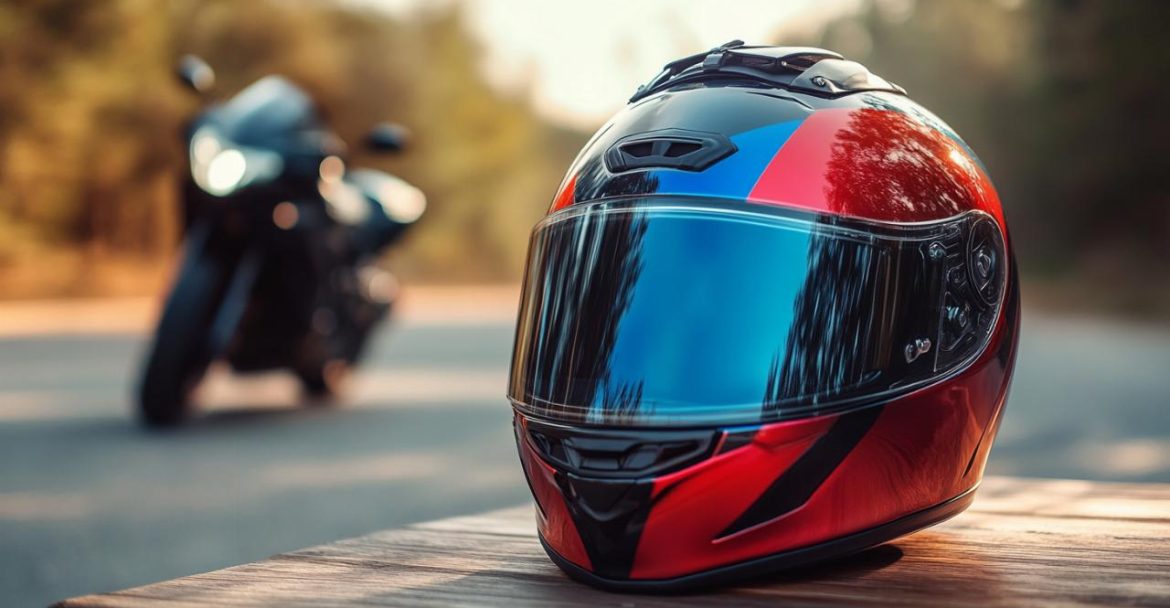
Selecting the right motorcycle helmet is a decision that extends far beyond mere aesthetics or brand loyalty. In the United Kingdom, riders face a diverse range of options that balance safety, comfort, and style, all whilst adhering to stringent regulatory frameworks. Whether you are a seasoned tourer navigating the Scottish Highlands or a weekend enthusiast exploring the countryside, understanding what distinguishes the most recognised helmets in the market can significantly enhance your riding experience and, crucially, your protection on the road.
Understanding uk motorcycle helmet safety standards and regulations
The foundation of any quality motorcycle helmet rests upon its compliance with established safety standards. In the UK, helmets must meet rigorous testing protocols to ensure they provide adequate protection in the event of an accident. The landscape of helmet safety has evolved considerably, with regulations reflecting ongoing advancements in materials science and crash dynamics research. Riders must be aware of these standards not only to stay within the law but also to make informed choices about their personal safety gear.
Ece 22.06 and british standards institute requirements
Since July 2023, the ECE 22.06 standard has superseded the older ECE 22.05 certification, introducing more demanding impact tests and enhanced visor safety measures. This updated framework represents a significant step forward in helmet protection, addressing vulnerabilities identified through years of crash analysis. The new standard mandates tougher testing across various impact zones, ensuring that helmets offer comprehensive coverage in real-world collision scenarios. Beyond the ECE certification, the UK government introduced the SHARP rating system, which scores helmets from one to five stars based on controlled laboratory testing. This independent assessment provides riders with an additional layer of confidence, offering transparency about how different models perform under standardised crash conditions. It is worth noting that whilst ACU stickers are required for racing events, they do not necessarily indicate superior helmet quality for everyday road use, but rather signify compliance with specific motorsport regulations.
Legal Compliance and Testing Procedures for Road-Legal Helmets
In the United Kingdom, wearing a helmet is the sole legally mandated piece of safety equipment for motorcyclists, underscoring its paramount importance. The testing procedures that underpin road-legal status involve meticulous evaluation of shell integrity, retention system strength, and energy absorption capabilities. Helmets undergo multiple impact tests at different speeds and angles, simulating the varied forces encountered during accidents. The visor must also demonstrate resistance to penetration and distortion, ensuring that vision remains unobstructed even in adverse conditions. Riders should always verify that any helmet they consider carries the appropriate ECE 22.06 marking, as this certification confirms that the product has satisfied all requisite safety benchmarks. The SHARP system further enriches this landscape by providing comparative data, enabling consumers to differentiate between models that meet the minimum legal threshold and those that exceed it by substantial margins.
Leading motorcycle helmet brands and their distinguished features
The UK market is populated by a rich array of manufacturers, each bringing distinct philosophies and engineering approaches to helmet design. From premium marques renowned for their uncompromising build quality to value-focused brands that democratise safety technology, the choice available to riders is both extensive and nuanced. Understanding the strengths and characteristics of these brands can guide purchasers towards a helmet that aligns with their riding style, budget, and personal preferences.
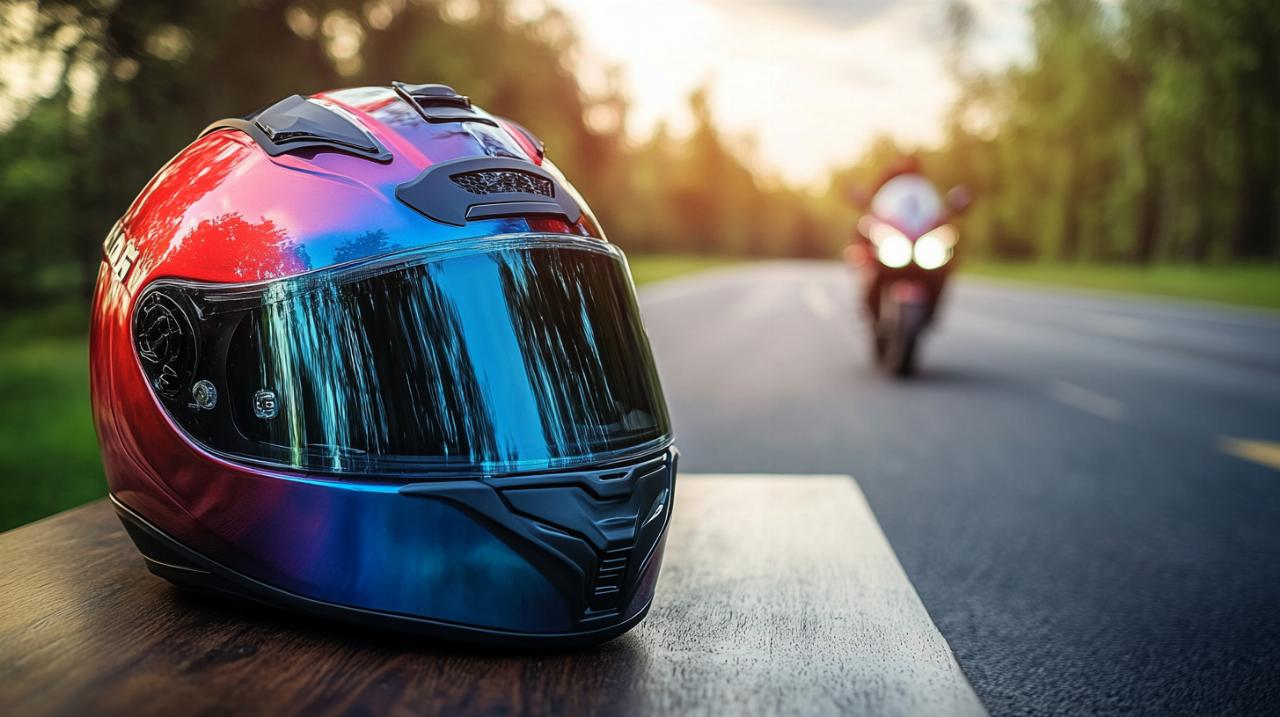
Premium manufacturers: shoei, arai, and agv performance characteristics
At the pinnacle of helmet manufacturing, Shoei has earned its reputation through a relentless pursuit of comfort, quietness, and meticulous build quality. Their models, such as the Neotec 3 priced from £589.99 and the J-Cruise III starting at £549.99, exemplify the brand's commitment to refining every detail, from ventilation systems to interior padding. Shoei consistently achieves high marks in independent testing, with an average score of 4.14 stars across evaluations, reflecting the reliability and performance that seasoned riders expect. Arai occupies a similarly elevated position, distinguished by a design philosophy that prioritises safety above all else. The brand's helmets, including the Tour-X5 available from £599.99 and the Quantic starting at £499.99, feature a unique construction approach that emphasises shell strength and impact dispersion. Whilst Arai's SHARP ratings have shown variation, the company's unwavering focus on protecting the rider has secured its place among the most trusted names in motorcycling. AGV, meanwhile, leads the field in aggregate safety scores, with multiple models earning the coveted five-star SHARP rating. Known for sleek, aerodynamic designs that appeal to sport and racing enthusiasts, AGV combines Italian flair with rigorous engineering, delivering helmets that excel in both form and function.
Value-oriented options: caberg, hjc, and ls2 market offerings
For riders seeking robust protection without the premium price tag, brands such as Caberg, HJC, and LS2 present compelling alternatives. Caberg has carved out a niche by offering helmets that integrate features such as sun visors and solid construction at accessible price points, achieving an impressive average SHARP score of 4.3 across sixteen tested models. This consistency in performance makes Caberg a popular choice for touring enthusiasts who value comfort and practicality. HJC, ranked seventh in safety assessments, has built a reputation around affordability without compromising on essential safety criteria. Models like the C10, available from £89.99, demonstrate that effective crash protection is attainable even for budget-conscious motorcyclists. The brand's extensive range ensures that riders of all disciplines can find a suitable option. LS2 similarly targets the value segment, offering helmets with high specifications that rival more expensive counterparts. By leveraging efficient manufacturing processes and innovative materials, LS2 delivers products that meet rigorous safety standards whilst remaining financially accessible, broadening the appeal of advanced helmet technology to a wider audience.
Design Innovation and Comfort Elements in Modern Motorcycle Helmets
Contemporary helmet design transcends basic safety requirements, incorporating sophisticated features that enhance rider comfort and convenience over extended journeys. Innovations in ventilation, padding, and integration of communication systems reflect the evolving demands of motorcyclists who expect their gear to perform seamlessly across diverse conditions. These advancements not only improve the immediate riding experience but also contribute to long-term wellbeing, reducing fatigue and distraction.
Ventilation systems and interior padding technologies
Effective ventilation is a critical component of helmet comfort, particularly during warmer months or sustained high-speed riding. Modern helmets employ multi-channel airflow systems that draw cool air across the scalp whilst expelling warm, moist air through rear exhaust vents. This dynamic circulation prevents overheating and reduces the accumulation of condensation on the visor, maintaining clear vision and rider focus. Interior padding has likewise seen significant innovation, with manufacturers adopting memory foam and moisture-wicking fabrics that conform to the contours of the head. A well-fitted helmet should feel snug without exerting excessive pressure, distributing weight evenly to minimise discomfort during prolonged wear. Trying on helmets in-store is strongly recommended, as individual head shapes vary considerably, and what suits one rider may not provide the same comfort to another. Brands such as Schuberth and Shoei invest heavily in refining these interior systems, recognising that comfort directly influences safety by reducing distractions and encouraging consistent helmet use.
Visor mechanisms and communication system integration
The visor represents a vital interface between the rider and the environment, and advancements in its design have significantly enhanced both safety and usability. Modern visors incorporate anti-scratch and anti-fog coatings, alongside mechanisms that allow for tool-free removal and secure locking at multiple positions. Quick-release systems enable riders to swap visors effortlessly, adapting to changing light conditions or replacing damaged components without delay. Some models, such as those from Caberg and Nolan, feature integrated sun visors that deploy with a simple lever, eliminating the need for separate eyewear. Beyond the visor, the integration of communication systems has become increasingly prevalent, with manufacturers designing helmets to accommodate Bluetooth intercoms seamlessly. Recessed speaker pockets and wiring channels ensure that these devices do not compromise the fit or comfort of the helmet, enabling riders to stay connected without sacrificing protection. Additionally, experts advise investing in quality earplugs to mitigate wind noise, which can cause long-term hearing damage, underscoring the importance of considering all aspects of helmet functionality. The range of available models spans from sporty full-face designs like the Shoei X-SPR Pro at £699.99 to versatile modular options such as the Schuberth C5 starting at £519.99, each tailored to specific riding disciplines and preferences. Retro-styled helmets, including the Shoei Glamster and Bell Bullitt GT, both priced from £409.99, blend classic aesthetics with modern safety standards, appealing to riders who value heritage alongside performance. Adventure helmets, exemplified by the Schuberth E2 and Arai Tour-X5, incorporate peaks and reinforced construction to withstand the rigours of off-road excursions whilst remaining comfortable on tarmac. Budget-conscious riders are not excluded from quality options, with models like the Axxis Draken S available from £59.99 and the Bell Lithium from £169.99 offering ECE-certified protection at entry-level prices. This diversity ensures that every motorcyclist, regardless of experience or financial means, can access a helmet that meets their needs and upholds the standards necessary for safe riding. The ongoing refinement of design, materials, and testing protocols continues to elevate the baseline of helmet performance, reinforcing the importance of this essential piece of safety equipment in the motorcycling community.