
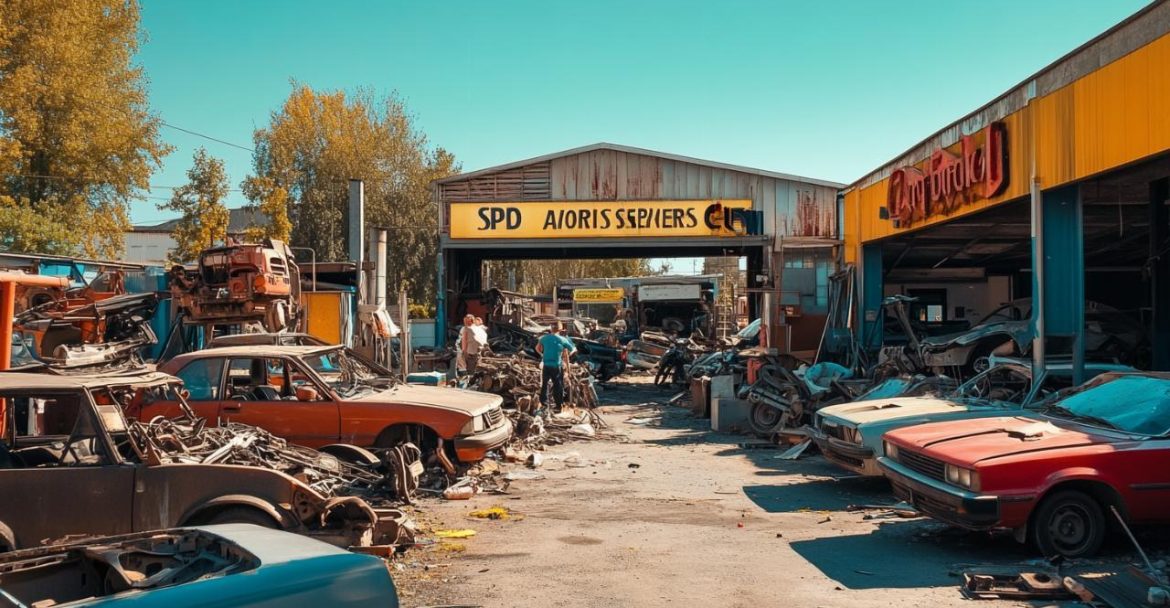
The automotive recycling industry has undergone a remarkable transformation over the past few decades, evolving from rudimentary breakers yards into sophisticated centres of environmental stewardship and resource recovery. In the heart of France, the landscape of vehicle dismantling reflects this broader shift, where facilities now balance commercial viability with ecological responsibility. This evolution is particularly evident in establishments serving communities such as Charleville-Mézières, where modern practices have redefined what it means to responsibly retire a motor vehicle and breathe new life into its components.
The Historical Journey of Vehicle Dismantling in Charleville-Mézières
The story of automotive salvage in Charleville-Mézières mirrors the broader industrial changes witnessed across Europe. Decades ago, scrap yards were often viewed as little more than repositories for unwanted vehicles, where cars were stripped for parts with minimal concern for environmental impact. These traditional breakers yards operated on a straightforward premise: extract valuable components, crush what remained, and move on to the next wreck. The focus was almost entirely commercial, with little consideration given to the pollutants released into soil and waterways or the potential for more comprehensive material recovery.
From traditional breakers yards to modern recycling facilities
The transition from these early operations to today's advanced recycling facilities has been driven by a combination of regulatory pressure, environmental awareness, and technological innovation. Modern auto scrap yards in regions like Charleville-Mézières now operate under stringent environmental guidelines that mandate proper handling of hazardous materials, systematic fluid drainage, and thorough depollution procedures. The contemporary facility is a far cry from its predecessors, equipped with specialised equipment for dismantling vehicles in ways that maximise material recovery while minimising ecological harm. Where once a car might have been unceremoniously crushed and sent to landfill, today's centres carefully separate metals, plastics, glass, and other materials for targeted recycling streams. This shift has transformed the industry from a necessary disposal service into a crucial component of the circular economy, where end-of-life vehicles are recognised as valuable repositories of raw materials waiting to be recovered and repurposed.
Spdo centre auto service vaudois: a case study in evolution
Situated in the accessible ZAC Croisette area, SPDO Centre Auto Service Vaudois exemplifies this modern approach to automotive recycling. The centre has built a reputation not merely as a destination for disposing of wrecked cars, but as a comprehensive resource for motorists seeking quality used parts at reasonable prices. By specialising in salvaged components from vehicles that have reached the end of their roadworthy life, the facility provides an economical alternative to purchasing new parts whilst simultaneously reducing the environmental footprint associated with manufacturing. The operation maintains strong connections to reliable dealers and has earned positive reviews for its customer service and the quality of its inventory. Visitors to the centre encounter a well-organised display of available automobile parts, making it straightforward to locate specific components. Contact details including phone numbers are readily available, ensuring that customers can easily enquire about particular items or seek guidance on compatibility. This customer-focused approach, combined with expert knowledge, has positioned the centre as a trusted name in the local automotive community.
Sustainable Practices and Environmental Benefits of Contemporary Auto Scrap Yards
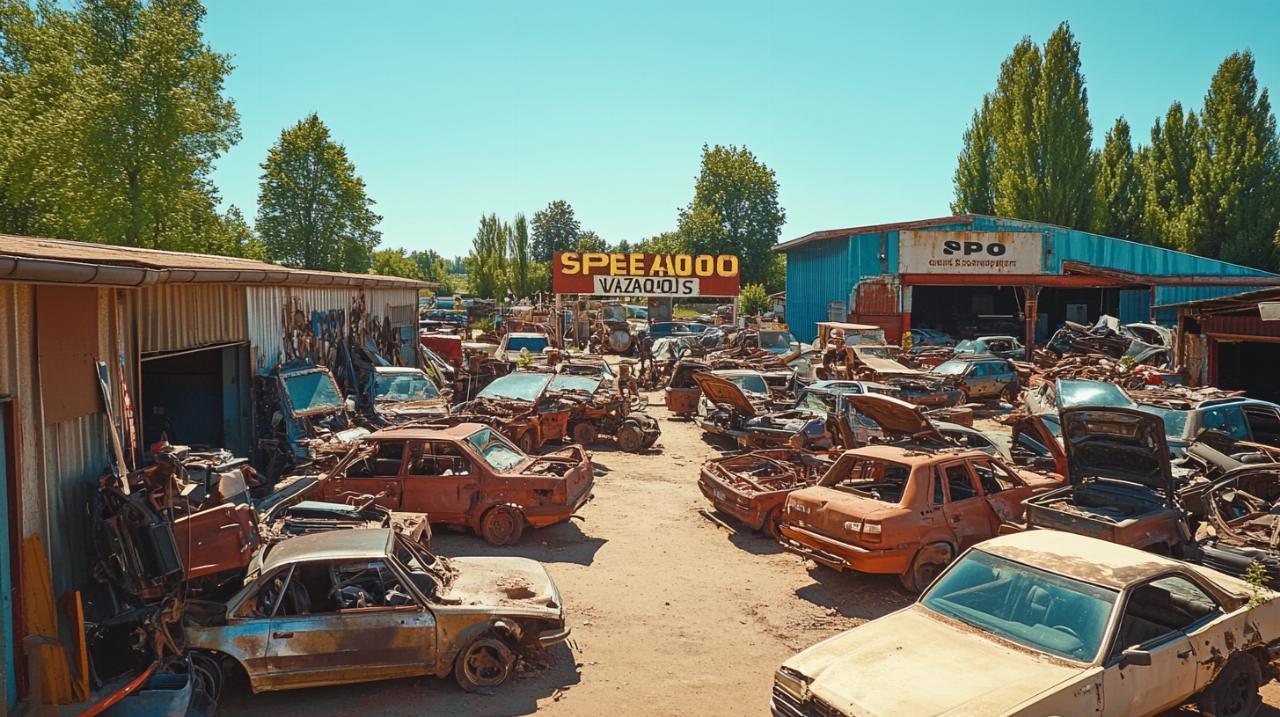
The environmental credentials of modern vehicle dismantling operations rest upon a foundation of carefully implemented procedures designed to prevent pollution and maximise resource recovery. When a vehicle arrives at a contemporary scrap yard, it undergoes a systematic depollution process that removes all fluids including engine oil, transmission fluid, coolant, brake fluid, and refrigerants. These substances are collected separately and either recycled or disposed of according to strict environmental protocols. The battery, tyres, and catalytic converter are also removed early in the process, as each contains materials that require specialised handling. This meticulous approach ensures that hazardous substances do not contaminate soil or waterways, addressing one of the primary environmental concerns associated with older dismantling practices.
How charleville-mézières facilities champion green recycling standards
Facilities operating in the Charleville-Mézières area have embraced green recycling standards that go beyond mere compliance with minimum legal requirements. These operations actively seek ways to improve their environmental performance, whether through investing in more efficient dismantling equipment, expanding the range of materials they recycle, or implementing energy-saving measures throughout their premises. The adoption of inventory management systems allows these centres to track which components are most in demand, reducing waste by ensuring that valuable parts are recovered before vehicles are processed for scrap metal. Furthermore, partnerships with certified recyclers ensure that materials leaving the facility are handled responsibly throughout the entire recycling chain. This commitment to environmental excellence has positioned regional facilities as leaders in sustainable automotive practices, demonstrating that profitability and ecological responsibility can coexist harmoniously.
The Role of Expert Advisors Like Alain Richier and Paulin in Eco-Conscious Operations
Behind every successful recycling operation are knowledgeable individuals who understand both the technical aspects of vehicle dismantling and the importance of environmental stewardship. Figures such as Alain Richier and Paulin have become associated with providing expert advice that helps customers make informed decisions whilst supporting sustainable practices. These advisors possess deep knowledge of automotive systems, enabling them to guide customers towards the most appropriate used parts for their vehicles, thereby extending the useful life of salvaged components. Their expertise also ensures that dismantling processes are carried out efficiently and safely, with proper attention given to environmental protocols. By sharing their knowledge with customers and colleagues alike, these experts contribute to a culture of continuous improvement within the industry. Their presence reassures customers that they are dealing with professionals who prioritise quality and sustainability, reinforcing the reputation of facilities that employ such knowledgeable staff.
Tomorrow's Recycling Practices: Innovation and Technology in the Motor Trade
The future of automotive recycling promises to be shaped by technological advances that will further enhance efficiency and environmental performance. Emerging innovations are already beginning to transform how vehicles are dismantled and how materials are recovered, pointing towards an industry that will become increasingly sophisticated in the years ahead. Automation and robotics are poised to play a larger role in dismantling operations, with machines capable of precisely removing components and sorting materials with minimal human intervention. Advanced imaging systems can scan vehicles to identify reusable parts and hazardous materials, streamlining the depollution process and reducing the risk of oversight. Meanwhile, developments in material science are making it easier to separate and recycle composite materials that have traditionally been challenging to process.
Emerging technologies transforming vehicle dismantling and parts recovery
Among the most promising innovations are digital platforms that connect scrap yards with potential buyers of used parts, creating more efficient marketplaces that reduce the likelihood of valuable components going to waste. These platforms employ sophisticated search algorithms that match customer requirements with available inventory across multiple facilities, expanding the potential market for salvaged parts. Blockchain technology is also being explored as a means of tracking components throughout their lifecycle, providing transparency about their origin and condition. Such systems could eventually enable customers to access detailed histories of used parts, including information about the vehicles they came from and any refurbishment work carried out. On the physical side of operations, innovations in fluid recovery systems are making depollution faster and more thorough, whilst new methods for processing catalytic converters are improving the recovery rates of precious metals. These technologies collectively point towards a future where virtually every component of an end-of-life vehicle can be recovered and repurposed in some form.
The Future of Automotive Recycling: What Customers Can Expect from ZAC Croisette and Beyond
For customers visiting facilities such as those in the ZAC Croisette area, the future promises an even more streamlined and transparent experience. Enhanced digital interfaces will allow buyers to browse available parts from the comfort of their homes, with detailed photographs and condition reports available for each component. Virtual reality systems might eventually enable customers to explore scrap yards remotely, examining parts as if they were physically present. The integration of artificial intelligence could provide instant compatibility checks, ensuring that customers select parts that will fit their vehicles correctly. Meanwhile, improvements in refurbishment techniques will raise the quality and reliability of used components, making them an even more attractive alternative to new parts. As electric vehicles become more prevalent, recycling facilities will adapt to handle the unique challenges these vehicles present, particularly regarding battery systems. Specialised processes for recovering lithium, cobalt, and other valuable materials from electric vehicle batteries are already under development, ensuring that the industry remains relevant as the automotive landscape continues to evolve. The commitment to sustainability that characterises modern facilities will only deepen, with future operations likely to achieve near-zero waste and operate entirely on renewable energy. This ongoing evolution ensures that automotive recycling will remain not only economically viable but also an essential contributor to environmental protection and resource conservation.