
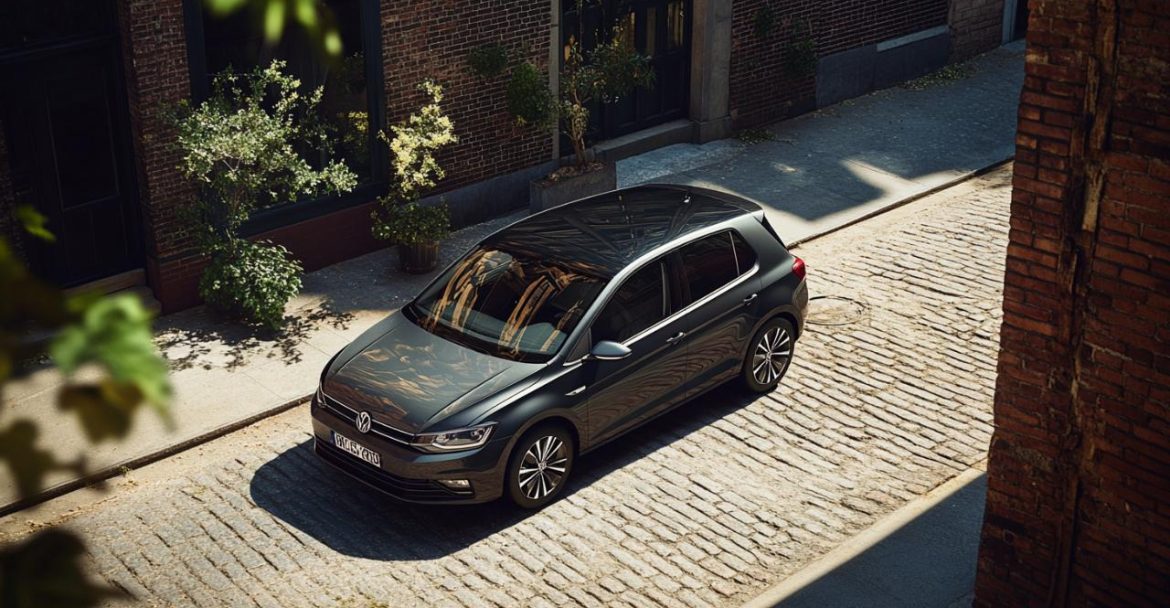
Few experiences are quite as frustrating as discovering that the window of your Volkswagen Polo refuses to budge when you need it most. Whether you've just left a petrol station or found yourself caught in an unexpected downpour, a window that won't go up anymore can quickly turn from a minor inconvenience into a genuine headache. This guide aims to walk you through the potential reasons behind this common window issue and help you decide whether to tackle the problem yourself or entrust it to a professional mechanic.
Understanding why your volkswagen polo window has failed
When faced with a window that cannot raise, it's natural to feel a mix of concern and confusion. The Volkswagen Polo, while renowned for its reliability and compact design, is not immune to the wear and tear that affects all vehicles over time. Understanding the root cause of the problem is the first step towards resolving it effectively and ensuring that you make an informed decision about repairs.
Common Causes of Window Regulator Failure in Polo Models
The window regulator is the mechanism responsible for moving the glass up and down within the door frame. In many Volkswagen Polo models, this component can be subject to considerable strain, particularly if the windows are used frequently or if the car has accumulated significant mileage. Over the years, the regulator's internal gears and cables can wear down, leading to a situation where the window simply refuses to respond. In some cases, the plastic clips that hold the regulator in place may break or become dislodged, causing the entire assembly to malfunction. This type of failure is especially common in older Polo models where the materials used in the original manufacture may not have been as robust as those found in newer vehicles. Additionally, exposure to the elements can cause rust and corrosion, further weakening the regulator and making it prone to sudden failure.
Another frequent culprit behind a stuck window is a broken or worn motor. The electric motor that powers the regulator can lose its efficiency over time, particularly if it has been subjected to excessive use or if the electrical system in the car has experienced fluctuations. When the motor begins to fail, you might notice that the window moves sluggishly or emits unusual grinding noises before it eventually stops working altogether. In some instances, the problem may not be with the motor itself but with the fuse or relay that supplies power to it. A blown fuse is a relatively simple issue to diagnose and replace, yet it can be easily overlooked if you're not familiar with the electrical layout of your Polo.
Identifying Whether It's an Electrical or Mechanical Issue
Determining whether your window issue stems from an electrical fault or a mechanical breakdown is crucial for deciding on the best course of action. One straightforward method to begin your diagnosis is to listen carefully when you press the window switch. If you hear a clicking sound or the motor attempting to engage but the window remains stationary, this often indicates a mechanical problem, such as a broken regulator or a disconnected cable. On the other hand, if there is complete silence and no response whatsoever when you activate the switch, the issue is more likely to be electrical in nature. This could mean a blown fuse, a faulty switch, or even a wiring problem somewhere within the door or dashboard.
Another diagnostic approach involves checking the operation of the other windows in your Volkswagen Polo. If all the windows fail to respond, the problem is almost certainly electrical and may be related to a central fuse or a fault in the car's main electrical system. Conversely, if only one window refuses to cooperate while the others function normally, the fault is likely isolated to that particular door. In such cases, inspecting the wiring and connections specific to the affected window can help pinpoint the issue. Many owners find it helpful to consult the vehicle's manual or an online resource to locate the relevant fuse box and identify which fuse controls the windows. By systematically ruling out electrical causes, you can narrow down the possibilities and prepare for either a straightforward fix or a more involved mechanical repair.
DIY Troubleshooting and Repair Options for Your Stuck Window
For those who enjoy getting hands-on with their vehicle and have a reasonable level of confidence in their mechanical abilities, attempting a DIY repair can be both rewarding and cost-effective. However, it's important to approach the task with a clear understanding of what's involved and to be prepared to invest some time and effort into the process. With the right guidance and a methodical approach, many common window issues can be resolved without the need for professional intervention.
Step-by-Step Guide to Diagnosing the Problem at Home
Begin your troubleshooting by conducting a thorough visual inspection of the affected window. Open the door and carefully examine the area around the window switch and the door panel. Look for any obvious signs of damage, such as loose wiring, disconnected cables, or broken clips. If everything appears intact, the next step is to test the electrical components. Start by checking the fuse box, which is typically located beneath the dashboard or in the engine compartment. Consult your Polo's manual to identify the fuse that corresponds to the power windows and inspect it for any signs of damage. A blown fuse will usually have a broken filament or a darkened appearance. If you find a faulty fuse, replace it with one of the same amperage and test the window again.
If replacing the fuse doesn't resolve the window issue, the problem may lie with the window switch itself. You can test the switch by using a multimeter to check for continuity when the switch is pressed. If the switch is faulty, it can often be replaced relatively easily and at a modest cost. Should the switch and fuse both prove to be in working order, you'll need to delve deeper into the door assembly to inspect the regulator and motor. This involves removing the door panel, which requires patience and care to avoid damaging the trim or any of the clips that hold it in place. Once the panel is removed, you can manually test the window by gently pushing or pulling the glass to see if it moves freely or if there is resistance. If the window moves smoothly by hand but fails to operate electrically, the motor is likely the culprit. Conversely, if the glass feels stuck or you hear grinding noises, the regulator may be damaged or misaligned.

Tools and Parts You'll Need for a Successful DIY Repair
Embarking on a DIY window repair requires a modest collection of tools and, depending on the diagnosis, some replacement parts. At a minimum, you'll need a set of screwdrivers, both flathead and Phillips, to remove the door panel and access the internal components. A trim removal tool can be particularly useful for carefully prying away plastic clips without causing damage. A multimeter is essential for testing electrical continuity and diagnosing faults in switches and wiring. If you determine that the regulator or motor needs replacing, you'll need to source the appropriate parts for your specific Volkswagen Polo model. Many automotive suppliers and online retailers offer aftermarket regulators and motors that are compatible with the Polo, often at a lower cost than original manufacturer parts. It's advisable to read reviews and check the specifications carefully to ensure a good fit and reliable performance.
In addition to these basic tools, having a workshop manual or access to detailed online repair guides can prove invaluable. These resources provide step-by-step instructions and diagrams that can help you navigate the disassembly and reassembly process with confidence. Some enthusiasts also find it helpful to watch video tutorials, which can offer a visual demonstration of the techniques involved. When ordering replacement parts, be sure to verify the year and model of your Polo, as components can vary even within the same generation of vehicles. Taking the time to gather the right tools and parts before you begin will make the repair process smoother and reduce the likelihood of having to pause midway through to source additional items.
When to Call a Professional: Costs and Benefits Comparison
While the prospect of a DIY repair can be appealing, there are circumstances where calling in a professional is the wiser choice. Understanding when to seek expert help and what you can expect in terms of costs and outcomes will help you make an informed decision that balances your budget, time, and peace of mind.
Expected costs of professional window repair services
The cost of having your Volkswagen Polo window repaired by a professional can vary considerably depending on the nature of the problem and the rates charged by local garages or dealerships. For a straightforward issue, such as a blown fuse or a faulty switch, you might expect to pay anywhere from fifty to one hundred pounds, including labour. These types of repairs are typically quick and do not require extensive disassembly of the door. However, if the problem lies with the window regulator or motor, the costs can escalate. Replacing a regulator often involves more labour-intensive work, as the door panel must be removed and the new component installed with precision. In such cases, the total bill can range from one hundred and fifty to three hundred pounds or more, depending on whether original manufacturer parts or aftermarket alternatives are used.
Dealerships tend to charge higher rates than independent garages, but they offer the advantage of using genuine Volkswagen parts and technicians who are intimately familiar with Polo models. Independent mechanics, on the other hand, may provide more competitive pricing while still delivering quality work, particularly if they specialise in European vehicles. It's always a good idea to obtain quotes from multiple sources before committing to a repair. Some garages may also offer a warranty on their work, which can provide additional reassurance and protection against future issues. When weighing the costs, consider not only the immediate expense but also the potential for long-term reliability and the value of your time.
Weighing the Risks of DIY Versus Guaranteed Professional Results
Choosing between a DIY repair and professional service ultimately comes down to your level of confidence, the complexity of the problem, and your willingness to accept a degree of risk. A DIY approach can be highly satisfying and cost-effective if you have the necessary skills and tools, and if the issue is relatively straightforward. However, there is always the possibility that you may misdiagnose the problem or inadvertently cause additional damage during the repair process. Door panels, in particular, can be fragile, and the clips that hold them in place are easily broken if not handled with care. Furthermore, working with electrical components carries its own risks, and an incorrect repair could lead to further complications or even pose a safety hazard.
On the other hand, entrusting the repair to a qualified professional offers peace of mind and a guarantee that the work will be completed to a high standard. Professional mechanics have the experience and diagnostic equipment to quickly identify the root cause of the problem and implement a lasting solution. They are also able to order the correct parts and have access to technical support if unforeseen complications arise. For many Volkswagen Polo owners, the additional cost of professional service is justified by the assurance that the repair will be done correctly and that any future issues will be covered by a warranty. If you're uncertain about your ability to complete the repair or if the problem appears to be more complex than initially thought, seeking professional help is often the most prudent choice.