
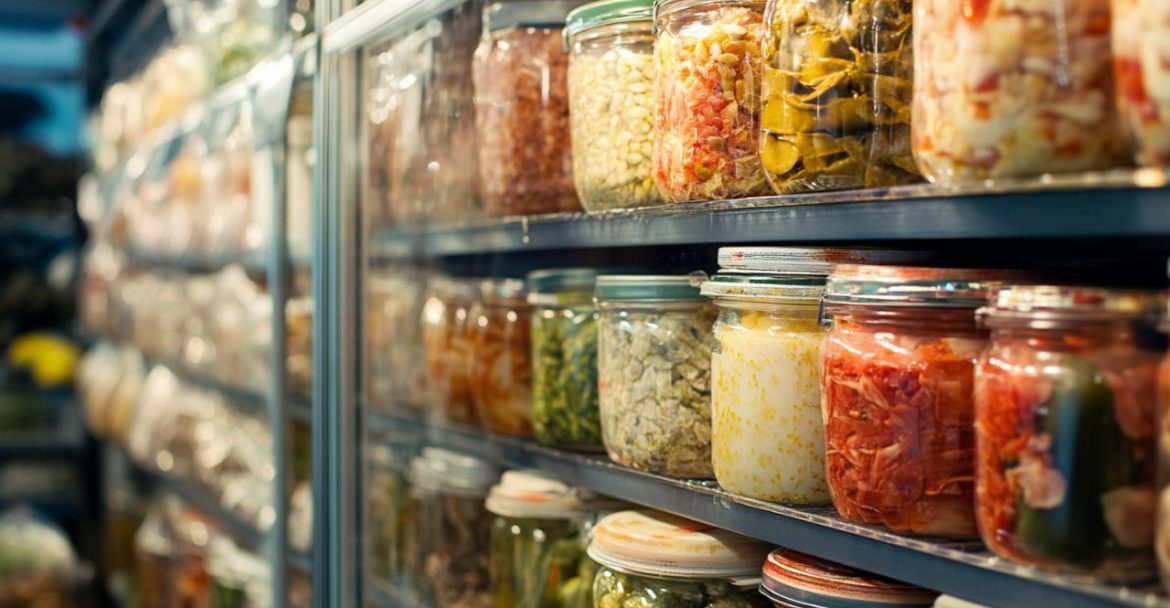
When it comes to keeping food fresh and safe in commercial and domestic settings, the choice of refrigeration technology plays a pivotal role. Two distinct approaches have emerged as industry standards: ventilated cooling, which relies on forced air circulation, and dynamic cooling, which employs variable speed compressors to adapt to changing conditions. Understanding the nuances between these systems can help businesses and households make informed decisions about their food preservation strategies, ensuring optimal freshness, reducing waste, and managing energy costs effectively.
How ventilated cooling systems maintain freshness
Ventilated cooling represents a significant advancement over traditional static refrigeration methods. Unlike passive systems that depend on natural convection to distribute cold air, ventilated cooling actively circulates chilled air throughout the storage environment. This approach is particularly valuable in commercial kitchens, walk-in refrigerators, and display cases where maintaining consistent temperatures is essential for food safety and quality. The technology has become a cornerstone in sectors ranging from catering equipment to retail food storage, offering faster cooling times and more reliable temperature management than older passive systems.
The mechanics of forced air circulation
At the heart of ventilated cooling lies a powerful fan system designed to create optimal airflow within the refrigerated space. The fan draws cool air from the evaporator and propels it throughout the storage area, ensuring that every corner receives adequate cooling. This forced air circulation is especially effective in larger coolers and high-usage environments where doors open frequently and new items are regularly introduced. The constant movement of air prevents hot spots and cold zones, which are common challenges in static cooling systems. However, this active circulation does come with trade-offs, including increased noise levels and higher energy consumption compared to passive alternatives. The fan-assisted mechanism also requires periodic maintenance to ensure filters remain clean and the fan operates efficiently, but the benefits in temperature recovery and pull-down times often justify these additional considerations.
Optimal temperature distribution in storage environments
One of the most compelling advantages of ventilated cooling is its ability to achieve uniform temperature distribution across the entire storage space. In commercial refrigeration settings, where food safety regulations demand precise temperature control, this characteristic becomes particularly valuable. The continuous airflow prevents temperature stratification, a phenomenon where warmer air rises and cooler air settles, creating inconsistent conditions that can compromise food quality. Ventilated systems excel in open display refrigerators and walk-in units, where maintaining consistent temperatures despite frequent access is critical. The technology also facilitates automatic defrost cycles, reducing the manual labour required in static systems and minimising downtime. For businesses handling diverse menus or high volumes of perishable goods, the operational efficiency gains from even temperature distribution translate directly into reduced food waste and improved shelf life. Even those running car rental services with staff catering facilities or mobile food operations can benefit from the reliable performance that ventilated cooling provides in challenging environments.
Dynamic cooling technology and its benefits
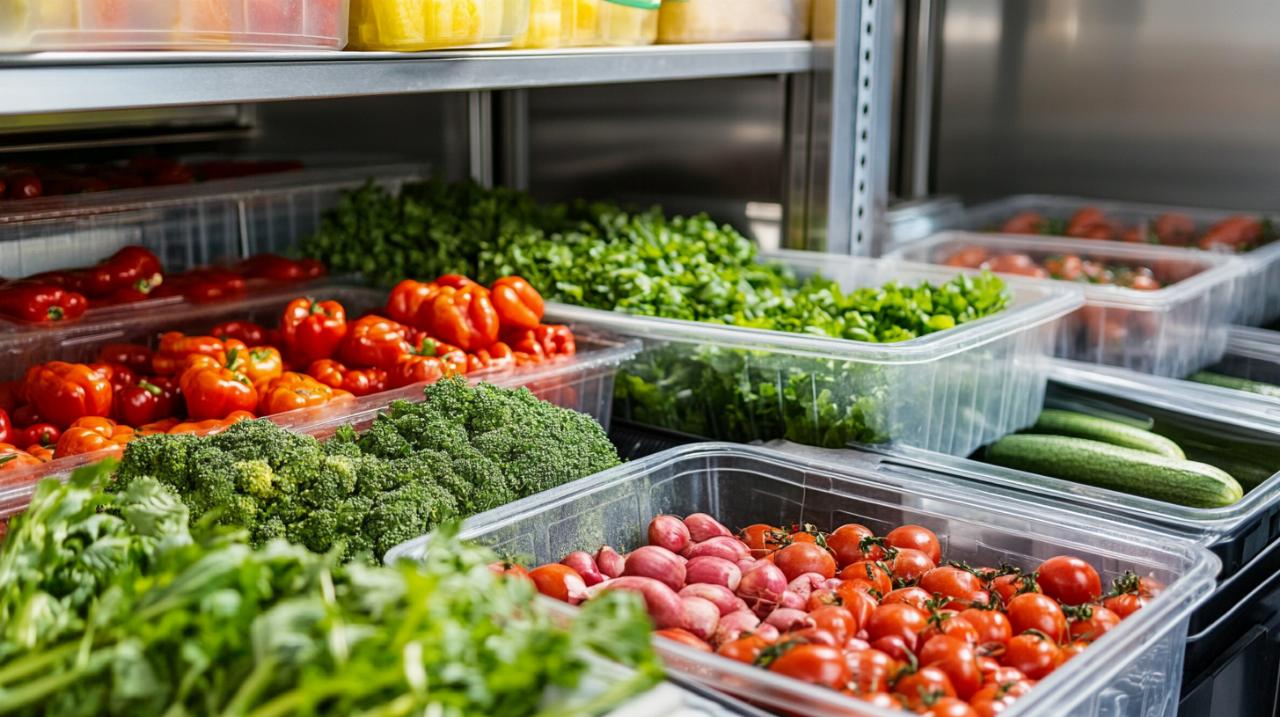
Dynamic cooling represents the next evolution in refrigeration technology, incorporating advanced control systems and adaptive mechanisms to respond to varying demands. This approach goes beyond simple fan-assisted circulation by integrating sophisticated components that adjust cooling intensity based on actual conditions within the unit. Dynamic systems are particularly prevalent in large supermarkets, food processing plants, and facilities where energy efficiency and precise temperature control are paramount. The technology employs complex airflow patterns and intelligent sensors to optimise performance, making it the most advanced option available in commercial refrigeration systems today.
Variable speed compressors for precise temperature control
The defining feature of dynamic cooling is the variable speed compressor, which can adjust its output to match the exact cooling requirements at any given moment. Unlike traditional compressors that operate in simple on-off cycles, variable speed units can run at partial capacity, providing just enough cooling to maintain the desired temperature without overshooting. This precision not only enhances temperature stability but also reduces the mechanical stress on the compressor, potentially extending its operational lifespan. The technology proves especially valuable during periods of low demand, when a conventional system might cycle on and off repeatedly, wasting energy and causing temperature fluctuations. Advanced sensors monitor conditions throughout the refrigerated space, feeding data to the control system which then adjusts compressor speed, fan intensity, and airflow patterns accordingly. This level of responsiveness ensures that delicate items receive gentle cooling while high-volume storage areas benefit from rapid temperature recovery after door openings. The result is a refrigeration system that adapts seamlessly to the rhythms of commercial kitchen operations, maintaining food safety standards while minimising energy waste.
Energy Efficiency and Cost Savings in Modern Refrigeration
While dynamic cooling systems typically have higher initial investment costs and more complex maintenance requirements than static or basic ventilated systems, their energy efficiency can deliver substantial long-term savings. By operating compressors at optimal speeds rather than full power, dynamic systems reduce electricity consumption during low-demand periods, which can account for a significant portion of operating hours in many commercial settings. The intelligent control systems also prevent the energy waste associated with temperature overshooting and the subsequent need for correction. For large-scale operations, these efficiencies compound over time, potentially offsetting the higher upfront costs and maintenance expenses. Beyond direct energy savings, dynamic cooling contributes to reduced food waste by maintaining more stable conditions, which extends shelf life and preserves quality. The technology also supports sustainability goals, making it an attractive option for businesses seeking to reduce their environmental footprint. When evaluating refrigeration options, decision-makers must weigh the operational efficiency and performance benefits of dynamic cooling against the simpler, more economical static cooling systems, considering factors such as usage patterns, menu requirements, and long-term investment strategies to determine the best fit for their specific needs.