
Owning a Lamborghini has long represented the pinnacle of automotive achievement, a statement of success that transcends mere transportation. For those dreaming of joining this exclusive club without mortgaging their future, understanding the entry point into Lamborghini ownership becomes essential. The landscape of Italian supercar accessibility has evolved considerably, offering pathways that range from brand-new showroom models to carefully selected pre-owned classics. Navigating this terrain requires insight into pricing structures, model hierarchies, and the realities of what your investment actually delivers.
The Lamborghini Huracán: Your gateway to Italian supercar ownership
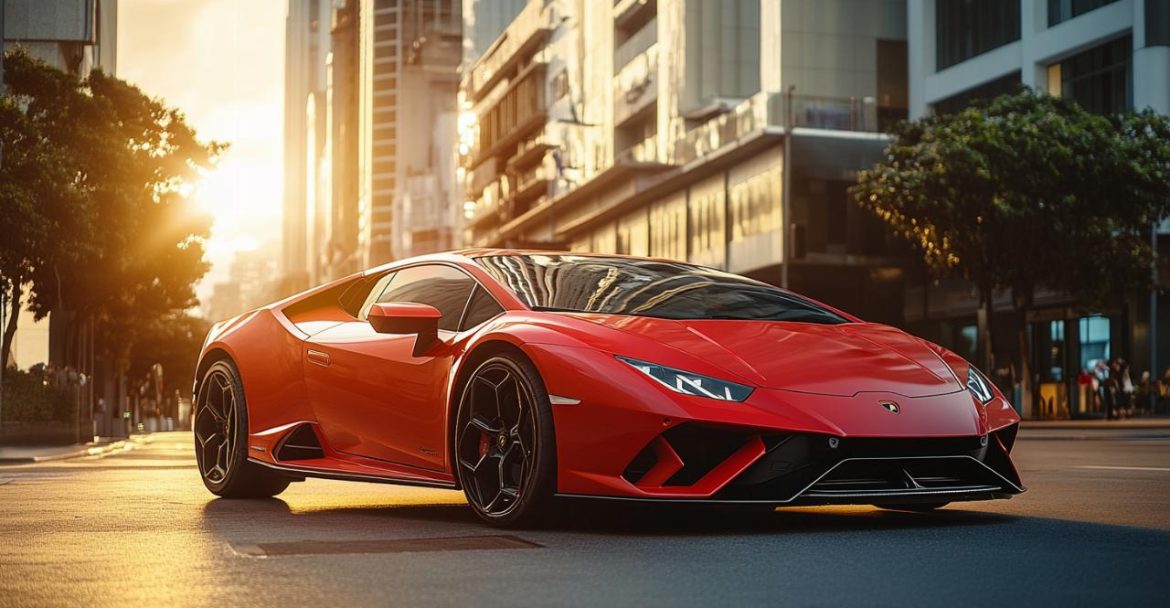
When discussing new Lamborghini models, the Huracán consistently emerges as the most accessible option for prospective buyers. The current range presents the Huracán EVO RWD Coupe as the entry-level model, commanding a starting price of approximately £168,240 in the United Kingdom market. This rear-wheel drive configuration delivers the quintessential Lamborghini experience whilst maintaining a price point below its all-wheel drive siblings. The American market sees similar positioning, with the Huracán EVO RWD starting around $179,000, making it substantially more attainable than the brand's flagship offerings. The distinction between rear-wheel and all-wheel drive variants creates a meaningful price differential, with the Huracán EVO AWD model pushing upwards to $261,274 due to its enhanced drivetrain and additional power output. Both configurations share the magnificent 5.2-litre V10 engine, though the rear-wheel variant produces 610 horsepower compared to the all-wheel version's 631 horsepower. This relatively modest power difference belies the significant character distinction between the two setups, with the RWD model offering a more engaging, driver-focused experience that purists often prefer.
Breaking down the entry-level pricing and what you actually get
The base Huracán model delivers genuine supercar performance with its naturally aspirated V10 engine, a rarity in an era dominated by turbocharged powerplants. This mechanical symphony produces an unforgettable soundtrack whilst propelling the car from standstill to sixty miles per hour in approximately three seconds. The standard specification includes a sophisticated aluminium and carbon fibre chassis, advanced aerodynamics, and a driver-focused cockpit that prioritizes engagement over comfort. Lamborghini's attention to detail extends throughout the cabin, where Alcantara and leather surfaces create an environment befitting the marque's prestige. The digital instrument cluster adapts to driving modes, whilst the infotainment system, though not class-leading in technology, provides necessary connectivity features. What buyers receive for their substantial investment is a meticulously engineered machine that balances daily usability with track-ready performance, a combination that defines modern supercars.
Standard specification versus optional extras that push the price skyward
The temptation to enhance a base Huracán with optional extras can rapidly inflate the final purchase price by tens of thousands of pounds. Lamborghini's Ad Personam customization programme offers virtually limitless possibilities for personalization, from bespoke paint finishes to carbon fibre exterior packages. Interior upgrades including premium leather selections, contrasting stitching, and specialized trim materials each command significant premiums. Performance-oriented options such as carbon-ceramic brakes, lifting systems for navigating speed bumps, and advanced telemetry recording equipment appeal to enthusiast drivers but substantially increase the overall investment. Paint protection films, custom wheel designs, and upgraded audio systems represent further opportunities for expenditure. Many buyers find their final specification climbing well beyond the base price, sometimes approaching the cost of the next model in the hierarchy. Understanding which options genuinely enhance ownership versus those that simply inflate costs becomes crucial for budget-conscious buyers seeking the most affordable Lamborghini experience without unnecessary embellishments.
Used versus new: Finding value in pre-owned Lamborghini models
The pre-owned market presents compelling alternatives for those seeking Italian supercar ownership at substantially reduced entry costs. Depreciation affects even the most prestigious marques, creating opportunities for savvy buyers willing to accept previous ownership. The used Lamborghini landscape spans decades of production, from accessible modern classics to vintage models that command collector interest. Current market conditions show pre-owned Huracán models beginning around $150,000 for early examples, representing meaningful savings against new pricing. However, the true value proposition often lies further back in Lamborghini's history, where models like the Gallardo offer genuine supercar experiences at prices that rival luxury saloons.

The Gallardo legacy and why it represents brilliant second-hand value
The Lamborghini Gallardo, produced between 2003 and 2013, revolutionized accessibility to the brand and today represents exceptional value in the pre-owned market. Examples from the middle of the production run can be secured for between $90,000 and $150,000, depending on specification, mileage, and condition. These models feature the 5.0-litre V10 engine producing 500 horsepower in base form, delivering performance that remains genuinely thrilling by contemporary standards. The Gallardo's decade-long production run means parts availability exceeds that of earlier Lamborghini models, whilst specialist knowledge has matured within the independent service community. UK buyers can find well-maintained examples for approximately £73,210, representing extraordinary value when measured against new luxury vehicle pricing. The Gallardo's styling has aged gracefully, retaining the aggressive wedge shape and dramatic presence that defines Lamborghini design language. Reliability, whilst never matching mainstream manufacturers, proves superior to earlier Lamborghini offerings thanks to shared components with the Volkswagen Group. For those prioritizing driving experience over latest technology, the Gallardo delivers authentic supercar sensations without the devastating depreciation curve affecting new models.
Depreciation patterns and maintenance costs you need to understand
Lamborghini ownership brings financial realities extending beyond the initial purchase price, with depreciation curves varying significantly across models and ages. Modern Lamborghinis experience their steepest value decline during the first three years, with some models losing thirty to forty percent of their original value. This depreciation moderates as vehicles age, particularly once they pass the ten-year threshold and begin transitioning into modern classic territory. Maintenance costs reflect the vehicles' exotic nature, with routine servicing typically costing several thousand pounds annually. Major services occurring at longer intervals can require five-figure investments, particularly when clutches or other significant components need replacement. Insurance premiums reflect both the vehicles' value and their performance capabilities, often exceeding several thousand pounds annually even for experienced drivers with clean records. Tyre replacement represents another regular expense, with high-performance rubber lasting as few as five thousand miles under enthusiastic driving. Prospective buyers must budget for these ongoing costs, which can easily match or exceed annual payments on financed purchases. Understanding these financial realities prevents the unfortunate situation of affording the purchase but struggling with the ongoing commitment required for proper Lamborghini ownership.
The true cost of ownership beyond the showroom sticker price
The journey from initial purchase to sustained Lamborghini ownership encompasses numerous financial considerations that extend well beyond the transaction price. Comprehensive cost analysis reveals that the purchase represents merely the beginning of a long-term financial commitment. Fuel consumption, whilst improved from earlier generations, remains substantial due to the high-performance nature of these vehicles. Modern Lamborghinis typically achieve low double-digit miles per gallon figures under real-world conditions, translating to significant annual fuel expenditure for regular users. Storage considerations matter as well, with many owners investing in climate-controlled garage facilities to protect their investments from the elements. These additional costs create a total ownership picture that demands careful financial planning and realistic assessment of one's ongoing capacity to support the vehicle properly.
Insurance, servicing, and running costs that define the Lamborghini experience
Insurance represents one of the most significant ongoing expenses for Lamborghini owners, with premiums reflecting both the vehicle's substantial value and its performance capabilities. Specialist insurers familiar with exotic vehicles typically offer more competitive rates than mainstream providers, though costs still commonly reach several thousand pounds annually. Agreed value policies protect against depreciation concerns whilst ensuring adequate coverage in the event of total loss. Servicing requirements demand attention to manufacturer-specified intervals, with annual inspections and fluid changes representing the baseline commitment. Lamborghini dealerships charge premium rates for their expertise and genuine parts, though independent specialists with appropriate credentials can offer meaningful savings. Major services occurring every few years involve more comprehensive inspections and component replacements, generating invoices that can shock the unprepared. Tyre replacement cycles depend heavily on driving style, with enthusiastic owners potentially replacing rubber multiple times annually. Brake components experience similar wear patterns, particularly on track-focused models equipped with carbon-ceramic systems where replacement costs reach eye-watering levels. Registration fees, road tax where applicable, and miscellaneous costs for detailing and minor repairs all contribute to the ongoing financial commitment required for proper Lamborghini stewardship.
Financing options and leasing programmes available in the UK market
The financial services landscape has evolved to accommodate luxury vehicle purchases through various structured programmes designed to make ownership more accessible. Traditional hire purchase agreements allow buyers to spread costs over extended periods, typically ranging from two to five years, with deposits and monthly payments tailored to individual circumstances. Personal contract purchase arrangements offer lower monthly commitments by deferring a significant portion of the vehicle's value to a final balloon payment, providing flexibility to either settle the balance, refinance, or return the vehicle. Leasing programmes represent an increasingly popular alternative, effectively renting the vehicle for a specified period without the long-term ownership commitment. These arrangements appeal particularly to those who prefer regular model updates or wish to avoid depreciation risk. Lamborghini Financial Services and specialist exotic car finance providers structure bespoke packages that account for the unique characteristics of supercar ownership. Interest rates vary based on creditworthiness, deposit size, and agreement structure, with competitive offers available to well-qualified borrowers. Understanding the total cost of credit, including interest charges and fees, becomes essential when comparing financing options. Some buyers prefer to maintain liquid capital by financing even when capable of outright purchase, using the funds for investments that potentially generate returns exceeding the cost of borrowing. The optimal financing strategy depends on individual financial circumstances, tax considerations, and long-term ownership intentions, making professional financial advice valuable before committing to any specific arrangement.